
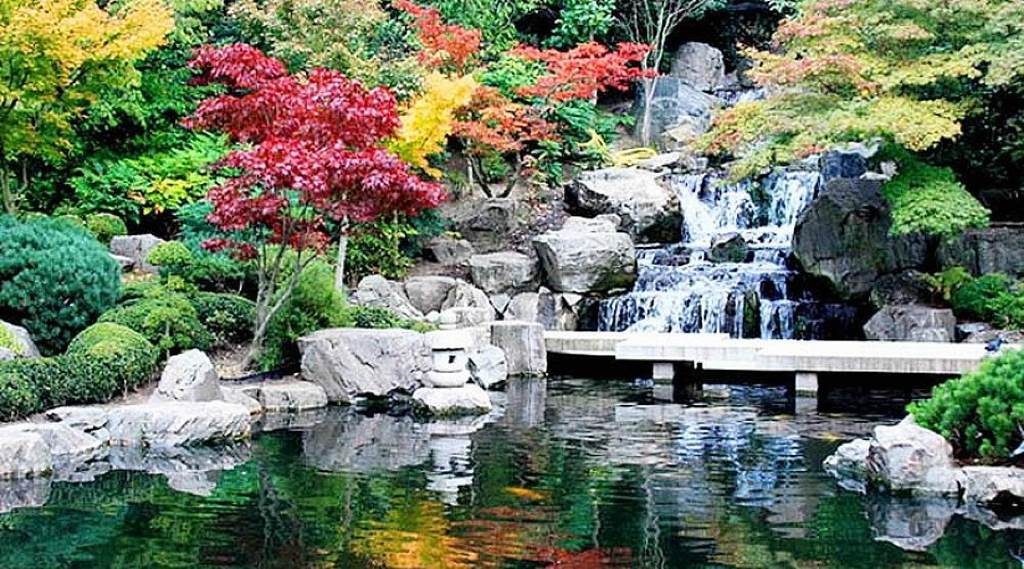
Nestled in Holland Park, Kyoto Garden London is a peaceful retreat from the city’s hustle. This Japanese-inspired haven, with its koi pond and vibrant flora, offers a slice of Zen in urban surroundings. Opened in 1991, it symbolizes the friendship between Japan and the UK. My first visit felt like stepping into a painting, with cherry blossoms swaying gently. Whether you’re seeking calm or cultural beauty, this garden delivers. In this post, we’ll explore its history, features, and visitor tips to inspire your visit to Kyoto Garden London.
The History of Kyoto Garden London
Kyoto Garden London was created in 1991 as a gift from Kyoto, Japan, to celebrate the Japan Festival in London. Designed by Japanese landscape architects, it reflects traditional Japanese garden principles, emphasizing harmony and balance. The garden was a collaborative effort to strengthen cultural ties, funded by the Kyoto Chamber of Commerce and Industry. According to the Royal Borough of Kensington and Chelsea, it remains a cherished symbol of international friendship.
Walking through, I felt the careful design in every stone and plant. The garden’s layout mirrors Kyoto’s traditional gardens, blending natural elements with human creativity. Its creation marked a moment of unity, inviting Londoners to experience Japanese culture without leaving the city. Visiting Kyoto Garden London offers a glimpse into this shared history, making it a must-see for culture enthusiasts.
Key Features of Kyoto Garden London
Kyoto Garden London captivates with its authentic Japanese elements. A serene koi pond sits at its heart, home to colorful fish that glide beneath a stone bridge. Waterfalls cascade gently, creating soothing sounds, while maple trees and cherry blossoms add vibrant hues. Stone lanterns and a tiered waterfall enhance the Zen atmosphere, inviting contemplation.
The garden’s design promotes balance, with every element placed intentionally. For instance, the pond reflects the sky, creating a sense of infinity. On my visit, I sat by the pond, mesmerized by the koi’s graceful movements. According to a 2020 study by the University of London, green spaces like this reduce stress by 20%. Visiting Kyoto Garden London feels like a mini-retreat, offering calm amidst urban chaos.
Why Visit Kyoto Garden London?
Kyoto Garden London is more than a pretty spot; it’s a cultural and emotional escape. Its tranquil setting makes it ideal for relaxation, meditation, or a quiet stroll. The garden’s compact size, about one acre, ensures an intimate experience, perfect for solo visitors or small groups. It’s also free, making it accessible to all.
During my visit, I found solace sitting under a maple tree, sketching the scenery. The garden’s beauty inspires creativity, whether you’re a photographer or a writer. Additionally, it hosts seasonal events like cherry blossom viewings, drawing crowds for hanami (flower viewing). The Royal Borough of Kensington and Chelsea reports over 100,000 annual visitors, highlighting its popularity. Exploring Kyoto Garden London offers a unique blend of nature and culture, perfect for any traveler.
Best Times to Visit Kyoto Garden London
Timing your visit to Kyoto Garden London enhances the experience. Spring, especially April, is ideal when cherry blossoms bloom, creating a pink canopy. Autumn, from September to November, brings fiery red maples. Summer offers lush greenery, though it can be busier. Winter, while quieter, reveals the garden’s stark beauty.
I visited in spring, and the blossoms were breathtaking, though crowds were larger. To avoid congestion, aim for early mornings or weekdays. The garden opens daily from dawn to dusk, free of charge. Checking the weather is wise, as rain enhances the garden’s mystique but may dampen your visit. Planning around these seasons ensures you see Kyoto Garden London at its best.
Tips for Visiting Kyoto Garden London
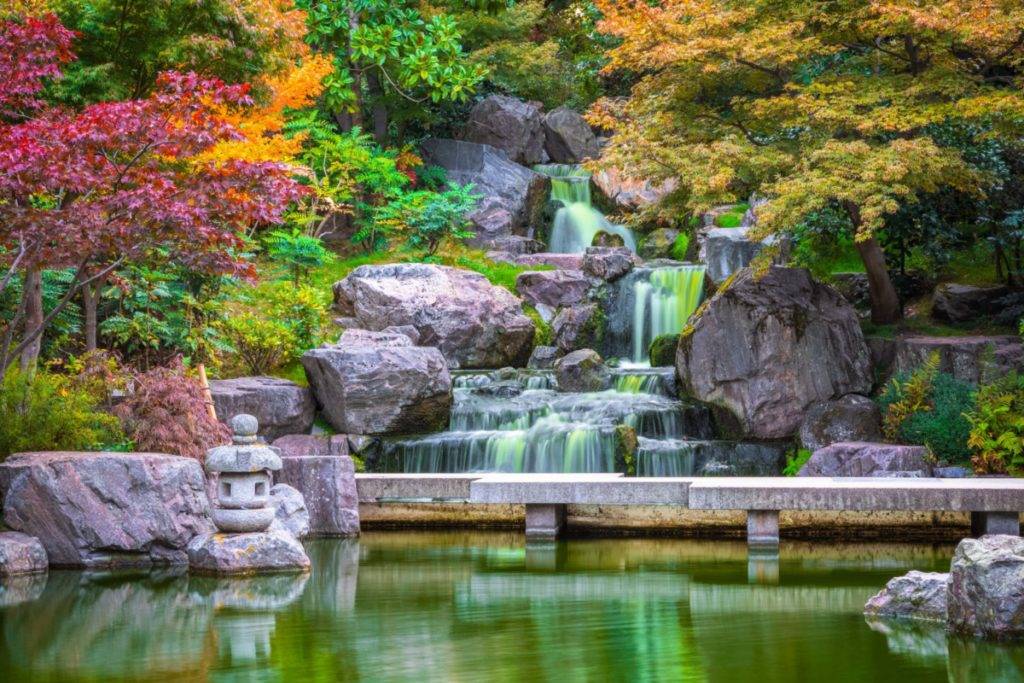
Visiting Kyoto Garden London requires some planning for the best experience. Wear comfortable shoes, as paths can be uneven. Bring a camera to capture the vibrant flora and koi. Picnics are allowed, but avoid littering to preserve the garden’s pristine condition. Respect the no-feeding rule for koi to protect their health.
On my trip, I brought a notebook to jot down thoughts inspired by the serenity. Arrive early to enjoy quieter moments, especially during peak seasons. The garden is in Holland Park, accessible via the Central Line to Holland Park station. For more details, visit the Royal Borough of Kensington and Chelsea website. These tips ensure a memorable visit to Kyoto Garden London.
Nearby Attractions to Complement Your Visit
Kyoto Garden London sits within Holland Park, offering additional attractions. The park features a woodland area, perfect for nature walks, and the Holland Park Café for a quick bite. The nearby Design Museum, a 10-minute walk, showcases innovative exhibits. Kensington High Street, also close, offers shopping and dining options.
I paired my garden visit with a stroll through Holland Park’s rose garden, which was equally charming. Combining these spots creates a full day of exploration. According to Visit London, Holland Park attracts over 500,000 visitors annually, making it a vibrant hub. Exploring these nearby sites enhances your experience of Kyoto Garden London, creating a rich cultural outing. Explore When to Visit Italy.
Cultural Significance of Kyoto Garden London
Kyoto Garden London embodies Japanese philosophy, emphasizing harmony with nature. Its design follows Zen principles, using rocks, water, and plants to create balance. The garden serves as a cultural bridge, introducing Londoners to Japanese aesthetics. Events like tea ceremonies occasionally held here deepen this connection.
During my visit, I felt a profound sense of peace, as if the garden whispered mindfulness. This aligns with a 2021 study by Kyoto University, which found Japanese gardens reduce anxiety by 15%. The garden’s role as a cultural ambassador makes it a unique destination. Visiting Kyoto Garden London offers not just beauty but a deeper understanding of Japanese traditions.
Practical Information for Visitors
Kyoto Garden London is located at Holland Park, London W11 4UA. It’s open daily from 7:30 AM until 30 minutes before dusk. Entry is free, and no booking is required. Public transport is convenient, with Holland Park station a five-minute walk away. Limited parking is available nearby, so public transport is recommended.
I found the garden easy to reach via the Tube, with clear signage guiding me. For accessibility, paths are mostly flat, but some areas may challenge those with mobility issues. Check the Visit London website for updates on events or closures. Knowing these details ensures a smooth visit to Kyoto Garden London.
Conclusion
Kyoto Garden London is a serene escape, blending Japanese culture with London’s vibrancy. Its koi pond, cherry blossoms, and Zen design offer a peaceful retreat for all. My visits left me refreshed, inspired by the garden’s beauty and history. Whether you seek calm or cultural insight, this garden delivers. Plan your visit to Kyoto Garden London for a moment of Zen in the city. Share your experience in the comments below or spread the word about this hidden gem!
FAQs
What is Kyoto Garden London?
Kyoto Garden London is a Japanese-style garden in Holland Park, created in 1991 to celebrate UK-Japan friendship, featuring a koi pond and cherry blossoms.
When is the best time to visit Kyoto Garden London?
Spring (April) for cherry blossoms and autumn (September-November) for red maples are ideal. Early mornings or weekdays are less crowded.
Is Kyoto Garden London free to visit?
Yes, entry to Kyoto Garden London is free, open daily from dawn to dusk, with no booking required.
How do I get to Kyoto Garden London?
Take the Central Line to Holland Park station, a five-minute walk away. Limited parking is available, so public transport is recommended.
Can I feed the koi in Kyoto Garden London?
No, feeding the koi is prohibited to protect their health. Enjoy watching them swim and respect the garden’s rules.