
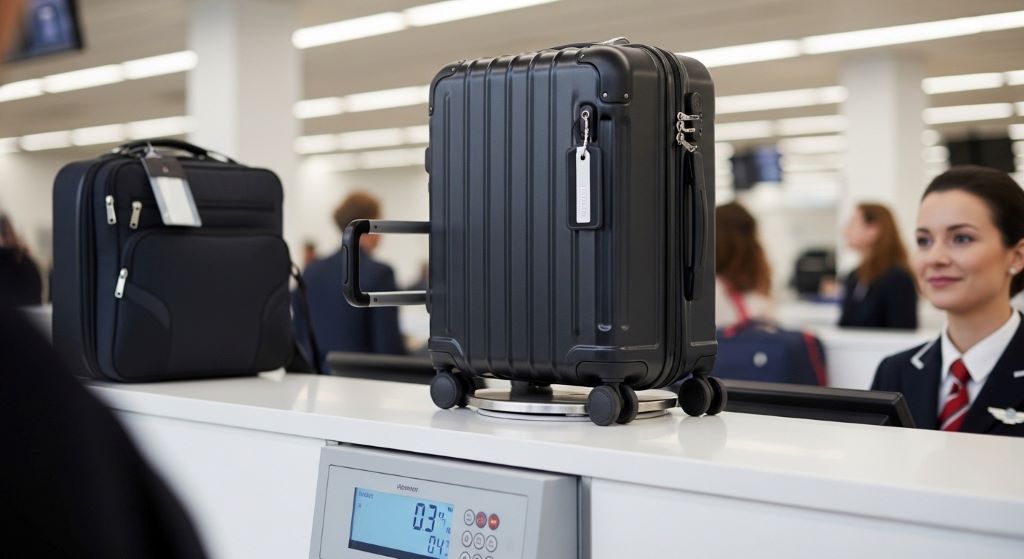
Traveling shouldn’t drain your wallet before you even reach your destination. Finding quality luggage that fits within airline restrictions while staying budget-friendly can feel like searching for a needle in a haystack. However, with the right knowledge and approach, you can discover excellent options that serve you well without breaking the bank.
The luggage market offers countless choices at every price point. Knowing what features truly matter and which ones are just marketing fluff helps you make smart decisions. This guide will walk you through everything you need to consider when selecting affordable luggage that meets your travel needs and airline requirements.
Understanding what makes carry-on luggage worth buying, regardless of price, empowers you to spot genuine value. You’ll learn to identify quality construction, essential features, and common pitfalls to avoid. By the end, you’ll be equipped to choose luggage that serves you reliably for years to come.
Understanding Airline Size Requirements
Before shopping for any luggage, you need to understand airline restrictions. Each carrier sets specific dimensions for carry-on bags, and exceeding these limits can result in unexpected fees or forced gate checking. Therefore, knowing these requirements saves you money and frustration.
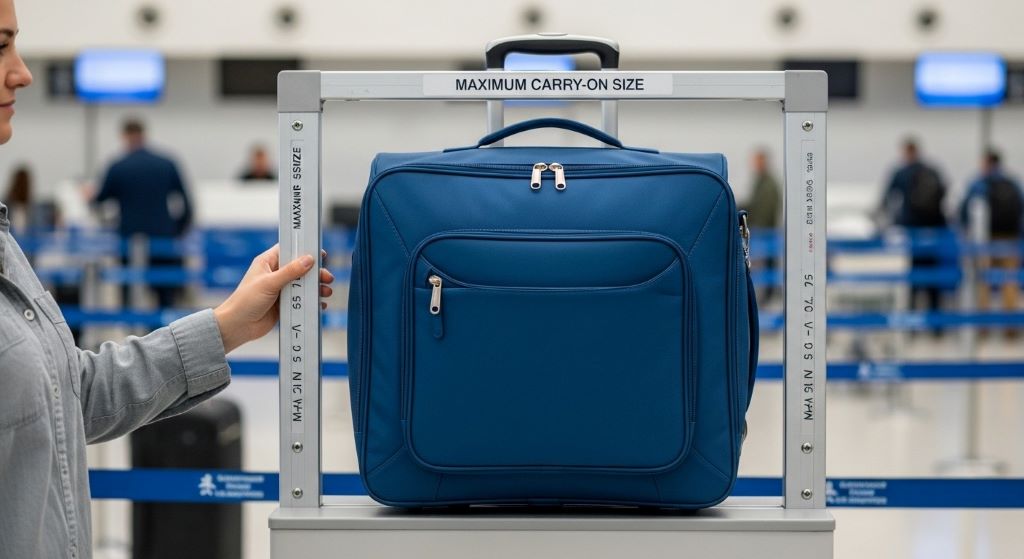
Most domestic airlines allow carry-on bags measuring approximately 22 inches tall, 14 inches wide, and 9 inches deep, including wheels and handles. However, these measurements can vary slightly between carriers. International airlines sometimes have stricter limits, particularly budget carriers in Europe and Asia.
The best approach involves checking the specific requirements of the airlines you fly most frequently. If you travel on various carriers, aim for dimensions that meet the strictest standards. This strategy ensures your bag works for any flight without worry.
Additionally, remember that overhead bin space operates on a first-come, first-served basis. Even if your bag meets size requirements, full bins may force gate checking. Choosing airline approved size luggage maximizes your chances of keeping your bag with you throughout the journey.
Personal item dimensions matter too. Airlines typically allow one carry-on and one personal item like a backpack or purse. Understanding both limits helps you pack everything you need while staying compliant with regulations.
Why Weight Matters More Than You Think
Weight affects your travel experience in multiple ways. Heavy luggage becomes exhausting to lift into overhead bins, maneuver through crowded airports, and carry up stairs or onto buses. Moreover, the bag’s weight counts against your packing capacity.
A lightweight carry-on typically weighs between four and seven pounds when empty. This leaves more weight allowance for your belongings while keeping the total manageable. Heavier bags start at eight pounds or more, significantly reducing what you can pack.
Consider your physical capabilities honestly. If you have back problems or limited strength, prioritizing lighter options becomes even more critical. The few pounds difference between bags can mean the difference between comfortable travel and physical strain.
Furthermore, some international airlines impose weight limits on carry-on bags, typically around 15 to 22 pounds. A lighter empty bag gives you more flexibility to pack essentials without exceeding these limits. This consideration becomes particularly important for longer trips.
Material choice directly impacts weight. Soft-shell bags generally weigh less than hard-shell options. However, technology improvements have created lightweight hard-shell materials that provide protection without excessive weight. Understanding these options helps you make informed choices.
Hard Shell Versus Soft Shell Luggage
The debate between hard and soft shell luggage continues among travelers, and both offer distinct advantages. Your choice depends on your travel style, typical destinations, and what you prioritize in luggage.
Hard shell luggage provides excellent protection for fragile items. The rigid exterior prevents crushing, making it ideal if you pack electronics, souvenirs, or breakable items. Additionally, hard shells resist water better than most soft materials, protecting your belongings during unexpected weather.
Cleaning hard shell luggage is straightforward. Wipe away dirt and scuffs easily without worrying about stains setting into fabric. This feature proves valuable after dusty or muddy adventures. However, hard shells can crack or dent if dropped or roughly handled, and these damages are usually permanent.
Soft shell luggage offers flexibility that hard shells cannot match. External pockets provide easy access to items you need during travel. The material can compress slightly if you need to squeeze your bag into a tight space. This flexibility sometimes makes the difference between fitting in an overhead bin or being forced to gate check.
Weight considerations often favor soft shell options, though this gap has narrowed with modern materials. Soft shells also tend to cost less at budget price points. They can absorb impacts better than hard shells, though they offer less protection for contents.
Your typical packing needs should guide this decision. If you carry fragile items or worry about rain, lean toward hard shells. If you value accessibility and flexibility, soft shells serve you better.
Essential Features That Don’t Break the Budget
Even budget luggage should include certain features that significantly improve your travel experience. Knowing which features matter most helps you evaluate options effectively and avoid paying for unnecessary bells and whistles.
Spinner wheels represent one of the most valuable innovations in luggage design. Four multidirectional wheels let you roll your bag in any direction with minimal effort. This feature dramatically reduces strain compared to two-wheeled designs. Look for wheels that spin smoothly and feel sturdy when you test them in the store.
A telescoping handle that extends and retracts smoothly makes maneuvering through airports much easier. Test the handle multiple times to ensure it locks securely at different heights and doesn’t wobble. Cheap handles often fail first, so this component deserves careful evaluation.
Multiple compartments help organize your belongings efficiently. Interior dividers, zippered pockets, and compression straps keep clothes neat and maximize space. Even budget bags should offer some organizational features to make packing and unpacking easier.
A sturdy zipper is absolutely critical. Luggage zippers face enormous stress, and failure during travel creates serious problems. Look for heavy-duty zippers, preferably with double pulls that let you access your bag from either side. Test the zipper several times to ensure smooth operation.
Grab handles on multiple sides allow you to lift and position your bag from various angles. At minimum, bags should have handles on top and one side. These simple additions make handling your luggage much more convenient.
Materials and Construction Quality
Understanding materials helps you assess whether cheap luggage will last or fall apart after a few trips. Quality construction can exist at budget price points, but you need to know what to look for during evaluation.
Polyester is the most common fabric for soft shell luggage. Higher denier numbers indicate thicker, more durable material. Budget bags typically use 600 to 1200 denier polyester, which provides adequate durability for occasional travelers. However, check for reinforcement at stress points like corners and where handles attach.
Polycarbonate and ABS plastic are common hard shell materials. Polycarbonate offers better impact resistance and flexibility, though it costs slightly more. ABS is cheaper and still provides decent protection. Both materials work well for budget luggage when properly constructed.
Stitching quality reveals much about construction standards. Examine seams carefully for straight, even stitching without loose threads. Double stitching at stress points indicates better quality. Poor stitching often signals corners cut in manufacturing.
Hardware quality varies significantly in budget luggage. Zippers should feel substantial and move smoothly. Metal components generally outlast plastic ones. Test all moving parts, including handle releases and zipper pulls, to ensure they operate properly.
Interior lining should be sewn securely without gaps or loose areas. Quality lining protects your clothes and helps the bag maintain its shape. Even in budget options, the lining should feel reasonably durable and be properly attached.
Where to Find the Best Deals
Knowing where and when to shop can save substantial amounts on luggage purchases. Smart shopping strategies let you find quality lightweight carry-on options well below retail prices.
Off-season shopping yields significant savings. Retailers discount luggage heavily after peak travel seasons end. Late summer after vacation season and January after holiday travel are prime times for deals. Patience can cut prices by 40 to 60 percent.
Online retailers often offer better prices than physical stores due to lower overhead costs. However, buying online means you cannot physically inspect the luggage before purchase. Read reviews carefully and understand the return policy before ordering. Many retailers offer free returns, eliminating this risk.
Outlet stores and discount retailers regularly stock quality luggage at reduced prices. These items might be discontinued models or overstock rather than defective. You can often find the same quality as department stores for significantly less money.
Flash sales and daily deal sites occasionally feature luggage at steep discounts. Sign up for email alerts from luggage brands and retailers to catch these limited-time offers. However, research the regular price first to ensure the deal is genuine.
Consider buying sets if you need multiple bags. Luggage sets almost always cost less per piece than buying items individually. Even if you only need a carry-on now, having matching checked luggage for future trips provides good value.
Testing Before You Buy
Whenever possible, physically examine luggage before purchasing. Hands-on evaluation reveals quality issues that photos and descriptions cannot show. Even when buying online, understanding what to test helps you evaluate returns and exchanges.
Roll the bag on smooth and rough surfaces. Wheels should roll quietly and smoothly without wobbling. Push the bag in different directions to test the spinner functionality. Cheap wheels often feel unstable or don’t spin freely.
Extend and retract the handle repeatedly. It should move smoothly and lock firmly at various heights. Wiggle the handle when extended to check for excessive play. A loose or wobbly handle indicates poor construction that will worsen with use.
Open and close all zippers multiple times. They should operate smoothly without catching on fabric. Pull on the zippers to test their strength. If they feel flimsy or catch during testing, they will definitely cause problems during travel.
Lift the bag by all handles to ensure they are securely attached. Handles should feel comfortable in your hand and show no signs of tearing away from the bag. Poor handle attachment is a common failure point in cheap luggage.
Pack the bag with weight and test the maneuverability. Borrow books or other heavy items to simulate a full load. This test reveals whether the bag maintains stability when packed and whether you can handle it comfortably at full weight.
Maximizing Your Luggage Investment
Even cheap luggage can last for years with proper care and use. Following best practices protects your investment and ensures your bag serves you well throughout many trips.
Never overpack your carry-on beyond its intended capacity. Forcing excessive items into your bag stresses seams, zippers, and structure. This abuse leads to premature failure. If you cannot zip your bag easily, remove items rather than forcing it closed.
Clean your luggage after trips, especially if exposed to dirt or weather. Wipe down hard shells with a damp cloth. Spot clean soft shells promptly to prevent stains from setting. Regular cleaning maintains appearance and prevents material degradation.
Store luggage properly between trips. Keep bags in a cool, dry place away from direct sunlight. Avoid stacking heavy items on top of luggage, as this can deform the structure. Proper storage preserves shape and extends useful life.
Address minor repairs promptly before they become major problems. Loose threads can be trimmed, small tears can be patched, and wobbly wheels can sometimes be tightened. Catching issues early prevents them from worsening during future trips.
Use packing cubes or bags to organize contents and reduce internal wear. These organizers prevent items from shifting during travel, which can stress seams and zippers. They also make packing and unpacking more efficient.
Common Mistakes to Avoid
Understanding typical mistakes helps you avoid disappointment and wasted money. Many buyers focus on the wrong features or overlook critical considerations when selecting budget luggage.
Prioritizing appearance over functionality leads to poor choices. A stylish bag that falls apart after three trips wastes money regardless of how good it looks. Focus on construction quality and practical features first. Attractive design should be a bonus, not the primary consideration.
Ignoring airline specific requirements causes problems at the gate. What works for one airline might violate another’s policies. Always verify dimensions against your most frequently used carriers before purchasing. An extra inch might seem insignificant but can result in forced checking and fees.
Buying the absolute cheapest option usually backfires. Rock-bottom prices typically indicate rock-bottom quality. Spending slightly more often provides dramatically better durability and features. The sweet spot for budget luggage usually sits in the 50 to 100 dollar range rather than under 30 dollars.
Overlooking return policies creates risk when buying sight unseen. Always purchase from retailers with reasonable return windows and policies. This protection lets you test the luggage properly and return it if it doesn’t meet expectations.
Failing to read reviews from actual users means missing valuable insights. Customer reviews reveal real-world performance that specifications cannot show. Look for patterns in reviews rather than focusing on individual complaints. Consistent negative feedback about specific features indicates genuine problems.
Alternative Options Worth Considering
Sometimes the best choice isn’t traditional luggage at all. Depending on your travel style and needs, alternative options might serve you better while staying within budget.
Large backpacks designed for travel offer excellent versatility. They meet carry-on requirements while keeping your hands free. Additionally, backpacks prove easier to manage on public transportation or in crowded spaces. Look for travel-specific designs with organizational features and padding.
Duffel bags with wheels combine soft-sided flexibility with rolling convenience. They typically cost less than structured carry-ons while offering generous packing capacity. However, they provide less protection and organization than traditional luggage.
Hybrid bags blend backpack and wheeled luggage features. These convertible designs let you roll when convenient and carry as a backpack when necessary. This versatility suits travelers who encounter varied terrain and transportation.
Compression bags maximize space in any luggage type. While not luggage themselves, they let you pack more efficiently in smaller bags. This strategy might allow using an even smaller carry-on, which eases maneuvering through airports.
Renting luggage for occasional trips avoids purchase costs entirely. Several services now offer quality luggage rentals at affordable rates. This option makes sense if you only travel once or twice yearly and lack storage space.
Long-Term Value Assessment
Determining whether cheap luggage provides good value requires looking beyond the initial purchase price. Calculate cost per use and potential replacement frequency to understand true value.
A 70-dollar bag lasting five years and twenty trips costs 3.50 dollars per trip. A 30-dollar bag replaced annually after four trips costs 7.50 dollars per trip. The seemingly expensive option actually provides better value. This perspective helps justify spending slightly more initially.
Consider your travel frequency honestly. Occasional travelers can choose less expensive options because durability matters less. Frequent flyers should invest more in quality that withstands regular use. Your travel patterns should directly influence your budget and selection.
Warranty coverage adds value even to budget luggage. Some affordable brands offer limited warranties covering manufacturing defects. This protection provides peace of mind and indicates manufacturer confidence in their product. Always register your luggage to activate warranty coverage.
Repair costs can quickly negate initial savings. If your cheap bag breaks and requires professional repair, you might spend nearly as much as buying a better bag initially. Factor potential repair needs into your value calculation.
Replacement hassle represents an often-overlooked cost. Buying new luggage, researching options, and dealing with failed bags during trips creates stress and wastes time. More durable options reduce this headache factor significantly.
Conclusion
Choosing the best cheap carry-on luggage requires balancing cost, quality, and features to find genuine value. Understanding airline approved size requirements ensures your bag works for any flight without surprise fees. Prioritizing lightweight carry-on options reduces physical strain while maximizing packing capacity within weight limits.
Focus on essential features like quality wheels, sturdy handles, and reliable zippers rather than unnecessary additions. Evaluate construction carefully, looking for durable materials and solid stitching even in budget options. Smart shopping during off-seasons and at discount retailers helps you find quality luggage at reduced prices.
Remember that the cheapest option rarely provides the best value. Investing slightly more in quality construction pays off through years of reliable service. Proper care and realistic expectations extend the life of any luggage, making your investment worthwhile.
Test luggage thoroughly before committing when possible, and always buy from retailers with good return policies. Consider your specific travel needs honestly, as what works for occasional vacationers might not suit frequent business travelers. With careful evaluation and smart shopping, you can find excellent carry-on luggage that serves you well without straining your budget.
Frequently Asked Questions
What is the maximum size for carry-on luggage on most airlines?
Most major airlines allow carry-on bags up to approximately 22 inches tall, 14 inches wide, and 9 inches deep, including wheels and handles. However, these dimensions vary by carrier, with some budget airlines imposing stricter limits. Always check your specific airline’s requirements before traveling, as exceeding limits can result in gate-checking fees or denied boarding of your bag.
How much should I expect to spend on decent budget carry-on luggage?
Quality budget carry-on luggage typically ranges from 50 to 100 dollars. Options under 50 dollars often sacrifice durability and features, while spending over 100 dollars moves beyond budget territory. This mid-range sweet spot provides solid construction, essential features, and reasonable longevity. Shopping during sales can bring higher-quality options into this price range.
Is hard shell or soft shell luggage better for carry-on bags?
Neither option is universally better, as each suits different needs. Hard shell luggage offers superior protection for fragile items and resists water better. Soft shell luggage provides external pockets for accessibility, weighs less, and offers more flexibility for tight overhead bins. Consider what you typically pack and your priorities when choosing between them.
How can I tell if cheap luggage is actually good quality?
Examine construction details carefully. Look for heavy-duty zippers that operate smoothly, reinforced stitching at stress points, sturdy wheels that spin freely, and handles that lock firmly without wobbling. Read customer reviews for real-world performance feedback. Test all moving parts before purchasing. Quality construction is evident in these details regardless of price point.
Can I take a carry-on and a personal item on all flights?
Most airlines allow one carry-on bag and one personal item like a purse, laptop bag, or small backpack. However, some ultra-budget carriers charge extra for carry-on bags or only include a personal item in the base fare. Basic economy fares on major carriers sometimes restrict overhead bin access. Always verify your specific ticket’s baggage allowance before traveling.
Related Topics:
Maldives Packing List: Common Mistakes for Island Hopping Trips
Discover the Thrill of a Baikonur Cosmodrome Tour