
Running out of prescription medication while traveling internationally can be stressful and potentially dangerous. Whether you’ve lost your luggage, miscalculated your supply, or experienced an unexpected extension to your trip, knowing your emergency refill options is essential for maintaining your health abroad. This comprehensive guide explores practical solutions for obtaining prescription medications when you’re far from home.
Understanding Your Medication Needs Before Travel
Planning ahead is the best strategy for avoiding medication emergencies. However, even the most prepared travelers can face unexpected situations. Before departing, take time to understand your prescriptions fully. Additionally, speak with your doctor about obtaining written prescriptions that include generic names rather than just brand names, as medication names vary significantly between countries.
Many travelers assume their insurance will cover medications abroad. Unfortunately, most domestic insurance plans have limited or no coverage outside their home country. Therefore, researching your specific coverage beforehand can save you considerable time and money during an emergency.
Contacting Your Home Pharmacy
Your first step should always be contacting your regular pharmacy. Many major pharmacy chains now offer international services or can coordinate with partner pharmacies abroad. Furthermore, some pharmacies can arrange emergency refills through their corporate networks, particularly if you’re in a country where they have locations.
Call your home pharmacy as soon as you realize you need a refill. Explain your situation clearly and provide your exact location. The pharmacy staff may be able to transfer your prescription to a local partner or provide guidance on next steps. However, keep in mind that time zone differences may delay responses, so reach out as early as possible.
Visiting Local Pharmacies and Medical Facilities
In many countries, pharmacists have more authority to dispense medications than they do in the United States. Consequently, you might be able to obtain certain prescriptions directly from a local pharmacy without seeing a doctor first. This is particularly true in European, Latin American, and some Asian countries.
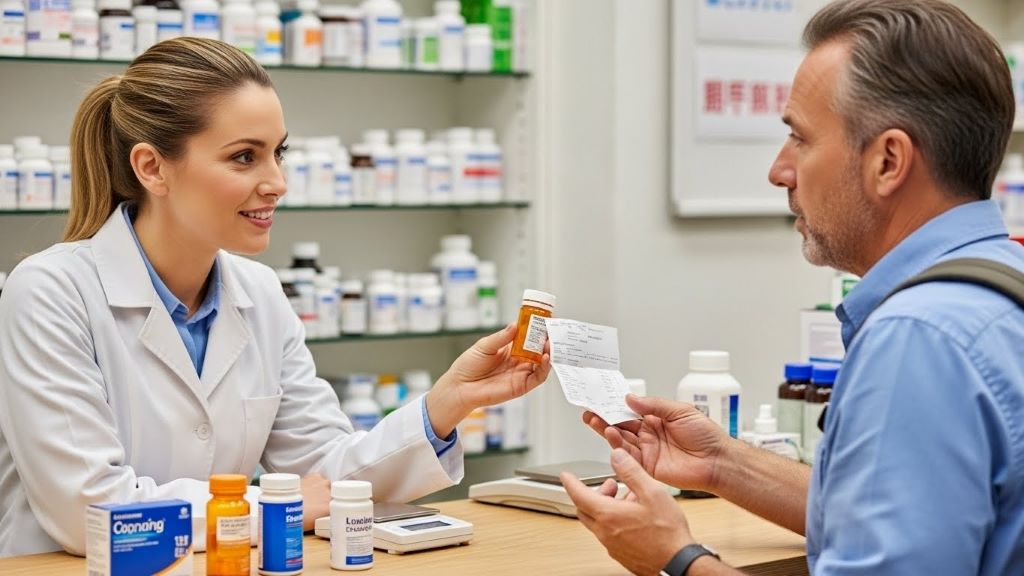
When visiting a local pharmacy, bring your medication bottle or packaging if available. The pharmacist can identify the active ingredient and provide an equivalent medication. Additionally, having a written prescription from your doctor can significantly help, even if it’s not technically valid in that country. The pharmacist may accept it as proof of your medical need.
Utilizing Telemedicine Services
Telemedicine has revolutionized healthcare access for travelers. Several companies now offer online consultations with licensed physicians who can prescribe medications internationally. These services connect you with doctors via video call or phone consultation, therefore allowing you to receive a new prescription without visiting a physical clinic.
Some popular telemedicine platforms specialize in serving travelers and expatriates. These services understand international pharmacy regulations and can guide you to locations where you can fill prescriptions. However, costs vary widely, and you’ll typically need to pay out of pocket since insurance rarely covers these consultations.
According to the Centers for Disease Control and Prevention, travelers should research healthcare options in their destination before departure to prepare for potential medical needs.
Seeking Help from Embassies and Consulates
Your country’s embassy or consulate can be a valuable resource during medication emergencies. While they cannot prescribe medications or practice medicine, they maintain lists of reputable local doctors, hospitals, and pharmacies. Moreover, consular staff can help you navigate language barriers and understand local healthcare systems.
Contact the nearest embassy or consulate during business hours. They may also provide information about medical evacuation services if your condition is serious and medication cannot be obtained locally. Additionally, some embassies have medical officers who can offer guidance specific to your situation.
Understanding Prescription Transfer Limitations
International prescription transfers face numerous legal and regulatory challenges. Each country has different rules about which medications require prescriptions and how prescriptions from foreign doctors are handled. Therefore, what works in one country may not work in another.
Controlled substances face the strictest regulations. Medications containing narcotics, stimulants, or benzodiazepines are particularly difficult to obtain internationally. Consequently, if you take controlled medications, bringing sufficient supply for your entire trip is absolutely critical. Some countries may even prohibit certain medications that are legal in your home country.
Using Travel Insurance with Medical Coverage
Comprehensive travel insurance often includes medical coverage that extends to prescription medications. Review your policy carefully to understand what’s covered and how to file claims. Some policies require you to pay upfront and submit receipts for reimbursement, while others work directly with healthcare providers.
When purchasing travel insurance, look specifically for prescription medication coverage. Basic policies may only cover emergency medical care, not routine medication refills. Furthermore, consider policies that offer 24-hour assistance hotlines, as these representatives can help you find appropriate medical care wherever you are.
Exploring International Pharmacy Chains
Major international pharmacy chains operate in multiple countries and may have systems for accessing your prescription records. Companies like CVS, Walgreens, and various European chains have international partnerships that can facilitate prescription transfers in certain circumstances.
However, even with international chains, regulations still apply. The pharmacy can only dispense medications that are legal and available in that country. Additionally, they must follow local prescribing rules, which may require you to see a local doctor first.
Managing Medication Emergencies for Chronic Conditions
Travelers with chronic conditions like diabetes, heart disease, or asthma face higher stakes during medication emergencies. For these situations, seeking immediate medical attention is crucial. Hospital emergency departments can typically provide short-term supplies of essential medications, particularly when your health is at immediate risk.
Bring medical documentation that explains your condition and treatment plan. Letters from your doctor describing your diagnosis and medications can be invaluable. Moreover, medical alert bracelets or cards can help healthcare providers understand your needs quickly, especially if language barriers exist.
According to the U.S. Department of State, travelers should carry copies of prescriptions and a letter from their doctor explaining their medical condition and medications.
Navigating Language Barriers
Language differences complicate medication emergencies significantly. Learning basic medical vocabulary in the local language can help, but technology offers better solutions. Translation apps like Google Translate can photograph medication labels and translate them instantly. Additionally, many apps offer medical phrase books specifically designed for healthcare situations.
Consider carrying a medication card that lists your prescriptions in multiple languages. Include both generic and brand names, dosages, and reasons for taking each medication. This simple tool can dramatically improve communication with foreign healthcare providers.
Preventing Future Medication Emergencies
After experiencing a medication emergency abroad, take steps to prevent future occurrences. Always pack medications in carry-on luggage rather than checked bags. Bring more medication than you think you’ll need, accounting for potential delays or trip extensions. Furthermore, divide medications between multiple bags in case one gets lost.
Keep medications in their original containers with pharmacy labels intact. This proves they’re legitimately prescribed to you and helps foreign pharmacists identify them correctly. Additionally, photograph your prescription labels and store them in cloud storage for easy access anywhere.
Conclusion
Running out of prescription medication while traveling abroad requires quick thinking and knowledge of available resources. Start by contacting your home pharmacy and exploring local pharmacy options, as many countries have more relaxed dispensing rules than you might expect. Telemedicine services offer convenient consultations with doctors who can prescribe medications internationally, while embassies and consulates provide valuable guidance and resources. Travel insurance with medical coverage can help offset costs, though you may need to pay upfront and seek reimbursement later. Most importantly, prevention through careful planning, bringing extra medication, and carrying proper documentation remains your best strategy for avoiding medication emergencies during international travel.
Frequently Asked Questions
Can I get a prescription filled in another country with a prescription from my home country?
Generally, prescriptions from your home country are not legally valid abroad. However, some pharmacists may accept them as proof of medical need and dispense medications, particularly in countries with relaxed pharmacy regulations. Your best option is seeing a local doctor or using telemedicine services to obtain a valid local prescription.
What should I do if my medication isn’t available in the country I’m visiting?
Ask local pharmacists about equivalent medications with the same active ingredient. Pharmaceutical names vary internationally, but the chemical compounds often remain the same. If no equivalent exists, contact your embassy for guidance or consider telemedicine consultations with doctors who specialize in international healthcare.
Will my health insurance cover prescription refills when I’m traveling internationally?
Most domestic health insurance plans offer limited or no coverage for international prescription refills. Travel insurance with medical coverage may help, but you’ll likely need to pay out of pocket initially and submit receipts for reimbursement. Check your specific policy details before traveling.
How can I travel safely with controlled substances like pain medications or ADHD medications?
Carry controlled substances in original labeled containers with your doctor’s prescription. Bring a letter from your physician explaining your medical need for these medications. Research your destination’s regulations beforehand, as some countries prohibit certain controlled substances entirely. Always pack controlled medications in carry-on luggage.
What’s the best way to prepare for potential medication emergencies before traveling abroad?
Bring more medication than needed for your trip duration, keep prescriptions in original containers, carry copies of prescriptions with generic drug names, obtain a doctor’s letter explaining your conditions and treatments, research local healthcare options before departure, and purchase comprehensive travel insurance with medical coverage.
Related Topics:
UK Off‑Peak Travel: Cheat‑Sheet for Savings And Quiet
Why Is Italy a Good Place to Visit?