
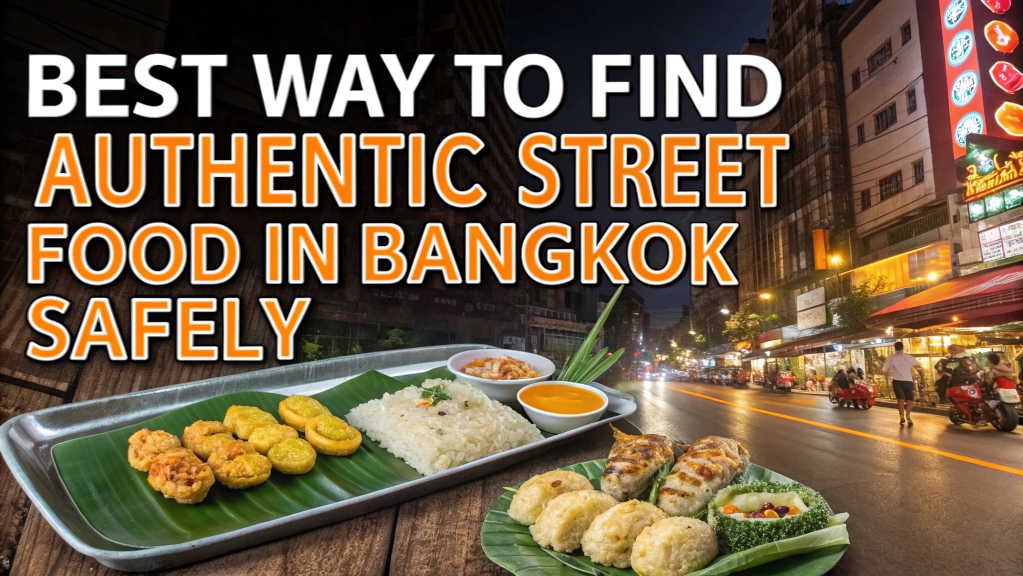
Bangkok’s street food scene is a vibrant tapestry of flavors, aromas, and cultural heritage, drawing millions of food enthusiasts annually. From sizzling woks to steaming bowls of noodle soup, the city’s streets offer an unparalleled culinary adventure. However, navigating this gastronomic landscape safely while seeking authentic experiences requires knowledge, caution, and strategy. This article delves into the best ways to find authentic street food in Bangkok safely, exploring its history, current state, key concepts, benefits, challenges, and future trends. With practical tips, expert insights, and a comprehensive review, this guide is designed for both novices and seasoned foodies.
History of Bangkok Street Food
Origins and Cultural Influences
Bangkok’s street food culture is deeply rooted in Thailand’s history, shaped by migration, trade, and cultural exchange.
-
Early Beginnings: Street food in Thailand traces back centuries, with vendors selling portable meals to workers and travelers. Bangkok, as the capital, became a hub for these mobile eateries by the 19th century.
-
Migration Impact: The influx of Chinese immigrants in the 18th and 19th centuries introduced dishes like noodle soups and dim sum, which evolved into Thai-Chinese staples such as kuay teow (noodle soup).
-
Regional Diversity: Migrants from Thailand’s Isaan (northeast) and southern regions brought dishes like som tam (papaya salad) and khao mok gai (Thai biryani), enriching Bangkok’s street food repertoire.
-
Isaan Influence: Spicy, tangy flavors dominate, with dishes like larb and grilled meats reflecting rural traditions.
-
Southern Flavors: Coconut-based curries and seafood-heavy dishes showcase Malay and Muslim influences.
-
Evolution Through the 20th Century
The 20th century saw street food become a cornerstone of Bangkok’s identity.
-
Urbanization: As Bangkok grew, street vendors proliferated, catering to laborers, students, and urban dwellers seeking affordable meals.
-
Royal Support: King Rama V’s modernization efforts in the late 19th century formalized markets, indirectly boosting street food culture by providing designated spaces for vendors.
-
Post-War Boom: After World War II, economic growth and tourism amplified demand, with iconic dishes like pad thai gaining international fame.
Modern Recognition
By the late 20th and early 21st centuries, Bangkok’s street food earned global acclaim.
-
Michelin Guide: In 2018, the Michelin Guide introduced its Bangkok edition, awarding stars and Bib Gourmand distinctions to street food vendors like Jay Fai, elevating their prestige.
-
Media Exposure: Documentaries like Netflix’s Street Food: Asia (2019) and YouTubers like Mark Wiens have spotlighted vendors, drawing food tourists worldwide.
Current State of Bangkok Street Food
Scale and Diversity
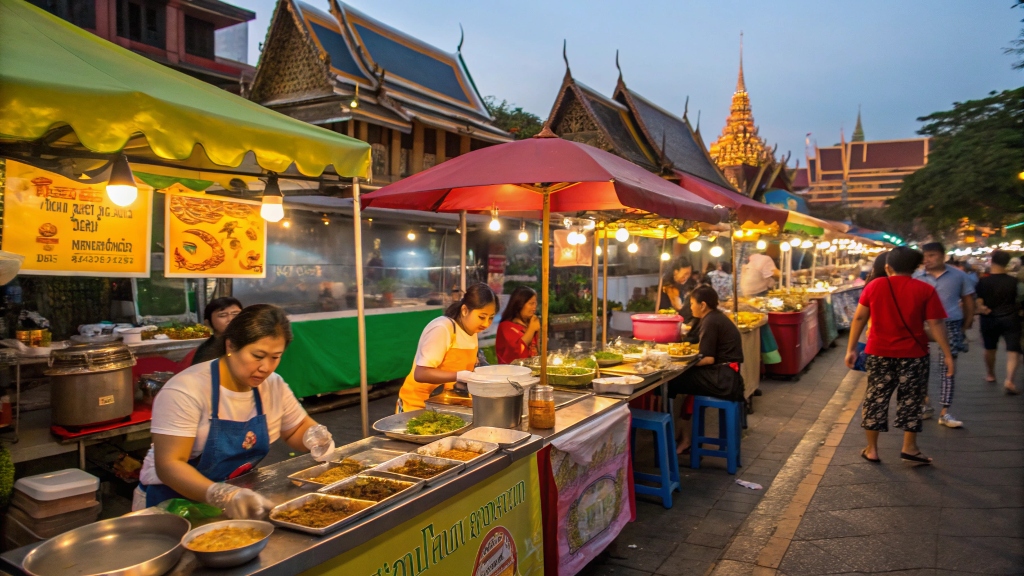
Bangkok’s street food scene is vast, with thousands of vendors across markets, alleys, and roadsides.
-
Vendor Numbers: Estimates suggest over 28,000 street food vendors operate in Bangkok, though exact figures vary due to informal setups.
-
Cuisine Variety: Offerings span Thai, Thai-Chinese, Isaan, southern Thai, Indian, and Muslim cuisines, with dishes like moo ping (grilled pork skewers), tom yum, and roti gluay (banana pancakes).
-
Key Areas:
-
Yaowarat (Chinatown): Known for seafood, noodle soups, and mango sticky rice.
-
Wanglang Market: Offers Isaan specialties and riverfront dining.
-
Jodd Fairs Night Market: Trendy, with modern takes on classics like fried squid eggs.
-
Regulatory Environment
The Bangkok Metropolitan Administration (BMA) oversees street food, balancing hygiene with cultural preservation.
-
Licensing: Vendors must register with the BMA, though enforcement is inconsistent in informal markets.
-
Hygiene Initiatives: Projects like the Lad Prao Road cleanup introduced protective equipment and packaging standards.
-
Relocation Efforts: Since 2014, the BMA has cleared vendors from areas like Soi 38 to reduce congestion, relocating them to designated markets.
Global Influence
Bangkok’s street food continues to shape global food trends.
-
Food Tourism: Approximately 20% of Thailand’s tourism budget promotes gastronomy, with street food as a key draw.
-
Social Media: Platforms like TikTok and Instagram drive trends, with vendors creating visually appealing dishes for viral appeal.
Key Concepts for Finding Authentic Street Food Safely
Defining Authenticity
Authenticity in Bangkok street food refers to dishes rooted in tradition, prepared with local ingredients and techniques.
-
Traditional Recipes: Look for vendors using time-honored methods, like charcoal grilling or hand-pounded som tam.
-
Local Ingredients: Authentic dishes prioritize Thai staples like fish sauce, galangal, and kaffir lime leaves.
-
Cultural Context: Eating at stalls frequented by locals, especially in non-touristy areas, ensures a genuine experience.
Safety Considerations
Safety is paramount when exploring street food, given varying hygiene standards.
-
Hygiene Indicators:
-
Cleanliness: Stalls with tidy cooking areas and fresh ingredients are safer.
-
Crowds: Vendors with many local customers are likely safe, as regulars demand quality.
-
Cooking Practices: Opt for food cooked to order at high heat, reducing bacterial risks.
-
-
Health Precautions:
-
Avoid raw or undercooked meats, especially dishes like larb leuat neua (raw blood salad).
-
Use bottled water to avoid waterborne illnesses.
-
Carry hand sanitizer for pre- and post-meal use.
-
Strategies for Discovery
Finding authentic street food requires a mix of research, exploration, and local guidance.
-
Research:
-
Guidebooks and Blogs: Resources like Migrationology.com and the Michelin Guide highlight trusted vendors.
-
Social Media: Follow food influencers on Instagram or YouTube for real-time recommendations.
-
-
Local Insights:
-
Ask hotel staff, taxi drivers, or market vendors for hidden gems.
-
Join food tours, like Secret Food Tours or Midnight Tuk Tuk Tours, for curated experiences.
-
-
Exploration:
-
Visit less touristy markets like Talat Phlu or Petchaburi Soi 5 for authentic flavors.
-
Wander side streets (sois) to discover family-run stalls.
-
Benefits of Exploring Bangkok Street Food
Cultural Immersion
Street food offers a window into Thai culture.
-
Community Connection: Sharing dishes “Thai-style” fosters communal dining experiences.
-
Historical Insight: Dishes like khanom farang kudee jeen reflect centuries-old Portuguese and Chinese influences.
-
Regional Diversity: Sampling Isaan or southern dishes showcases Thailand’s culinary mosaic.
Affordability
Street food is budget-friendly, making it accessible to all.
-
Low Costs: Dishes like pad gaprow or khao man gai cost 45–60 THB ($1.25–$1.70).
-
Value for Money: High-quality ingredients and skilled preparation rival pricier restaurants.
Culinary Adventure
The variety and creativity of street food excite even seasoned foodies.
-
Flavor Diversity: From spicy som tam to sweet mango sticky rice, there’s something for every palate.
-
Unique Dishes: Try adventurous options like goong ten (dancing shrimp) or fried insects for a bold experience.
Table: Comparison of Popular Street Food Areas in Bangkok
|
Area |
Signature Dishes |
Best Time to Visit |
Hygiene Level |
Accessibility |
|---|---|---|---|---|
|
Yaowarat (Chinatown) |
Seafood, noodle soups, mango sticky rice |
Evening/Night |
Moderate-High |
MRT Hua Lamphong, taxi |
|
Wanglang Market |
Som tam, Isaan dishes, riverfront snacks |
Daytime |
Moderate |
Ferry to Wanglang Pier |
|
Jodd Fairs |
Fried squid eggs, mala skewers |
Evening/Night |
High |
MRT Phra Ram 9 |
|
Talat Phlu |
Sticky rice, durian, beef noodles |
Day/Evening |
Moderate |
BTS Talat Phlu, 10-min walk |
|
Petchaburi Soi 5 |
Tom yum, grilled meats, halal options |
Evening |
Moderate |
BTS Phloen Chit, taxi |
Challenges of Finding Authentic Street Food Safely
Hygiene Risks
Inconsistent hygiene practices pose health risks.
-
Food Safety: Improper storage or cross-contamination can lead to foodborne illnesses.
-
Water Quality: Ice or unfiltered water in drinks may cause stomach issues.
-
Solution: Choose stalls with visible hygiene practices, like covered dishes and frequent reheating.
Over-Tourism
Popular areas can dilute authenticity.
-
Crowded Stalls: Vendors in tourist hubs like Khao San Road may prioritize quantity over quality.
-
Price Inflation: Tourist-heavy areas charge higher prices (e.g., 120 THB for pad thai vs. 60 THB elsewhere).
-
Solution: Venture to local markets or use food tours to find hidden gems.
Language Barriers
Communication challenges can hinder the experience.
-
Limited English: Many vendors speak only Thai, complicating orders.
-
Solution: Learn basic Thai phrases (e.g., mai phet for “not spicy”) or use translation apps.
Regulatory Pressures
Government policies threaten traditional street food culture.
-
Vendor Evictions: Since 2014, the BMA has relocated vendors from areas like Sukhumvit Road, reducing accessibility.
-
Solution: Support vendors in designated markets like Jodd Fairs, which comply with regulations.
Future Trends in Bangkok Street Food
Modernization and Innovation
Street food is evolving to meet contemporary demands.
-
Trendy Night Markets: Markets like Jodd Fairs blend traditional dishes with modern creations like fried squid eggs for social media appeal.
-
Fusion Cuisine: Vendors experiment with global influences, such as Thai-style tacos or mala skewers.
-
Technology: Some stalls accept mobile payments, enhancing convenience for tourists.
Sustainability Focus
Environmental concerns are shaping the future.
-
Eco-Friendly Practices: Vendors adopt biodegradable packaging to reduce waste.
-
Local Sourcing: Emphasis on sustainable ingredients supports local farmers and reduces carbon footprints.
Urban Planning Integration
Efforts to preserve street food culture are gaining traction.
-
Designated Zones: Urban planning initiatives, like the Tha Din Daeng project, create vendor-friendly spaces under highways or in unused lots.
-
Community Engagement: Town hall discussions involve vendors, ensuring their voices shape policies.
Global Expansion
Bangkok’s street food is inspiring international trends.
-
Pop-Up Markets: Thai street food stalls appear at global food festivals, spreading authentic flavors.
-
Culinary Education: Cooking schools in Bangkok offer street food classes, teaching tourists to recreate dishes at home.
Review: Navigating Bangkok’s Street Food Scene
Exploring Bangkok’s street food is a sensory delight, but it demands preparation. The city’s culinary landscape is unmatched, with iconic vendors like Jay Fai (Michelin-starred for crab omelette) and hidden gems in markets like Talat Phlu. Hygiene varies, but choosing busy stalls with fresh, hot food minimizes risks. Food tours, such as Secret Food Tours, offer curated experiences, blending safety with authenticity. Prices remain affordable, with most dishes under 60 THB, though touristy areas may charge more. Challenges like language barriers and vendor relocations require adaptability, but the rewards—cultural immersion, bold flavors, and unbeatable value—are worth it. For seasoned foodies, venturing beyond Yaowarat to areas like Petchaburi Soi 5 or joining locals at university-adjacent stalls unlocks deeper authenticity. Bangkok’s street food scene remains a global benchmark, evolving yet rooted in tradition.
FAQs
Is Bangkok street food safe to eat?
Yes, if you choose busy stalls with fresh, hot food and visible hygiene practices. Avoid raw dishes and use bottled water.
Where can I find the most authentic street food?
Visit local markets like Talat Phlu or Petchaburi Soi 5, or join a food tour to discover family-run stalls.
What are must-try street food dishes?
Try pad thai, som tam, moo ping, tom yum, and mango sticky rice for a mix of savory and sweet.
How can I avoid tourist traps?
Seek stalls with local crowds, avoid overpriced tourist hubs like Khao San Road, and use blogs or guides for recommendations.
Are food tours worth it?
Yes, they provide safe, curated experiences with expert guides, ideal for first-timers or those seeking hidden gems.
Read More Also: Wave Goodbye to Roaming Rip-offs: Your Ultimate Guide to Using eSIM Internationally Without Exorbitant Charges
Conclusion
Bangkok’s street food is a culinary treasure, blending centuries-old traditions with modern innovation. By prioritizing hygiene, seeking local haunts, and leveraging resources like food tours and blogs, you can safely uncover authentic flavors. From the spicy tang of som tam to the sweet comfort of mango sticky rice, each dish tells a story of culture and community. Despite challenges like regulatory pressures and over-tourism, the scene thrives, supported by urban planning and sustainability efforts. Whether you’re a first-time visitor or a seasoned foodie, Bangkok’s streets offer an unforgettable gastronomic journey. Dive in with caution and curiosity, and let the city’s flavors captivate you.