
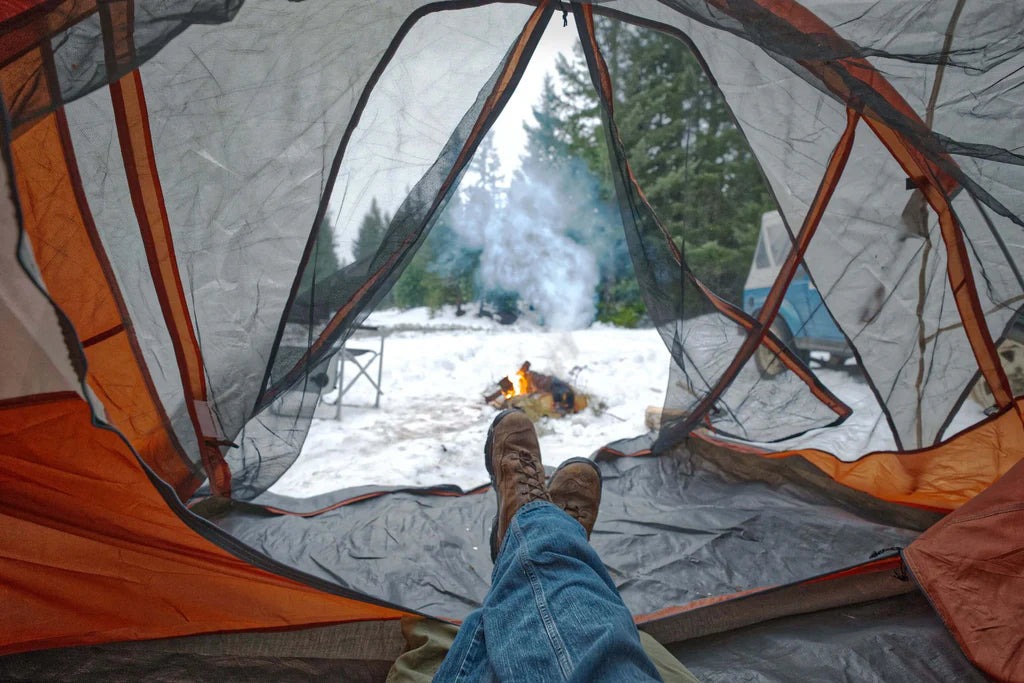
Camping is a wonderful way to connect with nature, escape the hustle and bustle of daily life, and unwind under the stars. However, if you’re camping during the cooler months or at high altitudes, staying warm inside your tent can be a challenge, especially if you don’t have a heater. Fortunately, there are many ways to keep your tent cozy and comfortable without relying on electric or gas heaters. With the right preparations and smart camping strategies, you can enjoy the outdoors while keeping warm and safe.
In this article, we’ll explore some practical tips on how to keep your tent warm without a heater. From insulating your tent and body to using natural heat sources, you’ll find many ways to stay comfortable, even in cold weather.
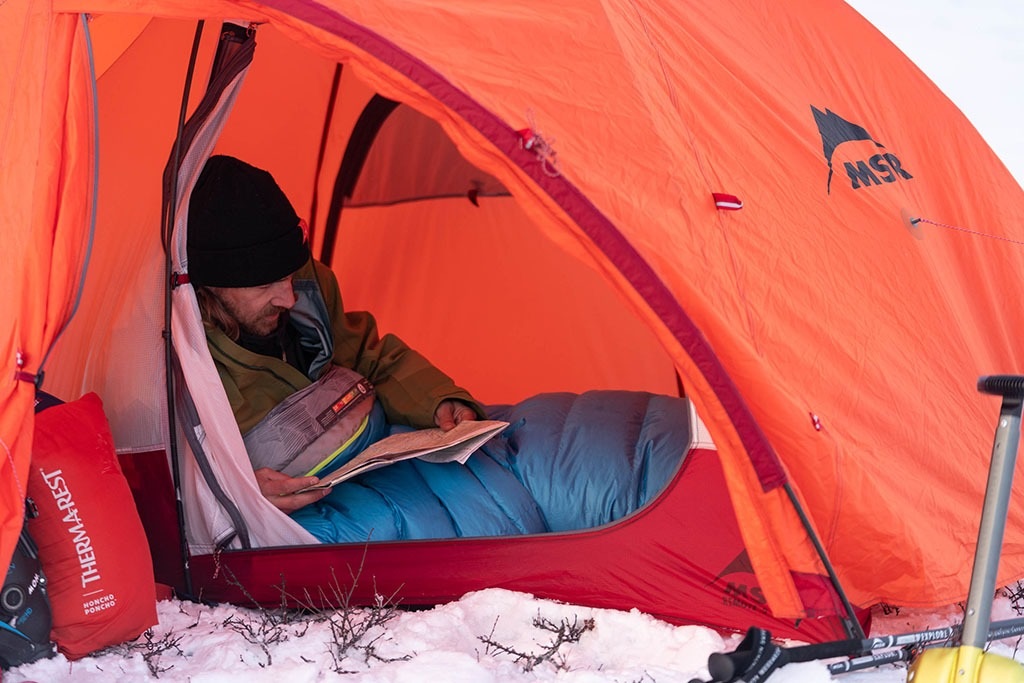
Choose the Right Campsite
The location of your campsite can make a significant difference in how warm you’ll be at night. A good campsite acts as a natural shield against cold winds, moisture, and exposure to the elements.
- Shelter from the wind: Set up your tent in a spot that is sheltered from prevailing winds. Use natural windbreaks like trees, rocks, or hills to reduce cold drafts entering your tent. Avoid setting up camp in open areas where the wind can easily sweep through.
- Stay dry: Wet conditions can lead to a cold and uncomfortable camping experience. Avoid camping in low-lying areas, such as valleys or near bodies of water, as these spots can collect cold air and moisture during the night. Instead, find higher ground with good drainage to avoid dampness.
- Watch out for exposure: While it’s tempting to camp in a spot with a great view, open, exposed areas can be cold at night. If you have no choice, set up your tent facing east to catch the first rays of sunlight in the morning, which can help warm you up faster.
Read More Also: Best Relaxing Vacations for Couples
2. Use a Smaller Tent
The size of your tent can have a big impact on warmth. Larger tents take longer to heat up and are more difficult to maintain at a comfortable temperature because there’s more air to warm.
- Choose a smaller tent: A smaller tent means there’s less space for your body heat to escape, making it easier to trap warmth. Two-person or one-person tents are ideal for cold weather, as they allow your body heat to fill the tent more effectively.
- Compartments or bivy sacks: Some campers use bivy sacks (small, one-person tents) inside larger tents as an extra layer of protection. This creates a microenvironment that traps warmth and blocks out cold air.
3. Insulate Your Tent
One of the most effective ways to keep your tent warm is by insulating it. Insulation helps retain the warmth generated by your body and other heat sources.
- Add a tent footprint or groundsheet: A tent footprint or groundsheet is an additional layer of material that goes underneath your tent. It provides insulation between your tent and the cold ground, preventing heat loss. You can also use a tarp or a thermal blanket as a groundsheet to add more insulation.
- Use a reflective blanket: Mylar or emergency blankets reflect heat back toward your body, making them a useful and lightweight tool for insulation. You can hang these reflective blankets on the inside of your tent walls or place them beneath your sleeping area to keep heat from escaping.
- Layer up inside the tent: Place rugs, towels, or even extra sleeping bags on the floor of your tent to create an additional layer of insulation. This can help prevent cold air from seeping in through the ground, especially if you’re camping on snow or cold, damp surfaces.
4. Insulate Your Sleeping Area
Your sleeping setup plays a critical role in keeping you warm through the night. A poorly insulated sleeping arrangement can leave you shivering despite your best efforts.
- Use an insulated sleeping pad: The ground can quickly sap body heat, so using an insulated sleeping pad is essential. Look for sleeping pads with a high R-value (which measures insulation) to keep cold from creeping up through the ground. Closed-cell foam pads work well for this, or you can double up by placing a foam pad under an air mattress.
- Get the right sleeping bag: A sleeping bag rated for the temperatures you expect to encounter is crucial for cold-weather camping. Look for a sleeping bag with a low-temperature rating, ideally one filled with down or synthetic insulation. Down sleeping bags are especially effective because they trap more heat than synthetic options.
- Add a sleeping bag liner: A sleeping bag liner can add 10 to 15 degrees of warmth to your sleeping arrangement. They’re lightweight and packable, making them a great addition to any cold-weather camping trip. Liners made of fleece, silk, or wool can also wick away moisture, keeping you dry and comfortable.
5. Dress in Layers
Dressing appropriately is one of the easiest and most effective ways to keep warm inside your tent. Layers trap heat close to your body while allowing you to regulate your temperature as needed.
- Base layer: Start with a moisture-wicking base layer made of merino wool or synthetic fabrics. This will pull sweat away from your skin and prevent chills.
- Mid layer: The mid-layer is your insulating layer. Fleece, down, or wool sweaters and pants work well here, as they provide warmth without adding too much bulk.
- Outer layer: If you’re leaving the tent, wear a windproof and waterproof jacket to protect yourself from the elements. If you’re inside the tent, a light shell layer can help block drafts and keep your body heat contained.
- Keep your head, hands, and feet warm: These areas are where your body loses heat the fastest. Wear a warm hat, wool socks, and gloves inside your sleeping bag to conserve heat. You can also place a hot water bottle or hand warmers inside your sleeping bag to heat up cold feet.
6. Eat and Drink Warm Food
Eating the right foods can help raise your body temperature and keep you warm throughout the night.
- Eat high-calorie, warm meals: When it’s cold, your body needs more energy to stay warm. Eat a hearty meal before bed, such as pasta, soup, or stews, which can help fuel your body’s internal furnace. Foods that are high in fat and protein are excellent choices for slow-burning energy.
- Drink warm beverages: Sipping on a warm drink like tea, hot chocolate, or soup can help raise your core temperature. Avoid alcohol, though, as it can cause your body to lose heat more rapidly despite the initial warming sensation.
7. Create Natural Heat Sources
If you’re camping in a location where fires are allowed, you can use your campfire as a natural heat source.
- Warm rocks: Heat up rocks around the campfire for an hour or so, then carefully place them inside your tent (wrapped in cloth or a towel) to radiate heat throughout the night. Be cautious not to burn yourself or melt your tent materials.
- Hot water bottle: Boil water and pour it into a heat-safe water bottle. Place it inside your sleeping bag to keep your feet and core warm while you sleep. Just make sure the bottle is sealed tightly to avoid leaks.
8. Minimize Moisture Inside the Tent
Moisture can make your tent feel much colder, so keeping it dry is key to staying warm.
- Ventilation: It might seem counterintuitive, but proper ventilation can prevent condensation from building up inside your tent. Crack open a window or vent to allow moisture to escape without letting cold air in.
- Dry wet clothes: Avoid bringing wet or damp clothes into the tent. If possible, hang them outside or store them in a separate area to prevent extra moisture from accumulating inside your tent.
Conclusion
Keeping your tent warm without a heater requires a combination of proper planning, insulation, and smart camping techniques. By selecting the right campsite, insulating your tent, layering up, and using natural heat sources, you can stay comfortable even in cold weather. With these tips, you’ll be better prepared to enjoy your camping experience, no matter the season. Stay warm, stay safe, and happy camping!