
Lake Titicaca, a mesmerizing expanse of sapphire blue water nestled amidst the towering peaks of the Andes, is a place of enchanting beauty and rich history. Straddling the border between Peru and Bolivia, this remarkable lake holds the distinction of being the world’s highest navigable body of water, captivating visitors with its unique charm and cultural significance.
A Natural Wonder at High Altitude
Located at an elevation of approximately 3,812 meters (12,507 feet) above sea level, Lake Titicaca’s breathtaking scenery is nothing short of awe-inspiring. The lake’s vastness is accentuated by the snow-capped peaks that surround it, creating a dramatic backdrop that leaves visitors spellbound. The crystalline waters reflect the ever-changing sky, painting a canvas of vibrant colors that shift with the passing hours. Despite being far from Europe’s biggest cities, its natural beauty rivals any urban landscape.
A Tapestry of Islands and Cultures
Lake Titicaca is home to a multitude of islands, each with its own unique character and cultural traditions. The most famous of these islands is the Isla del Sol (Island of the Sun), considered a sacred site by the indigenous Uros people. According to legend, this is where the Incan sun god, Inti, was born. Visitors can explore ancient ruins, hike along scenic trails, and immerse themselves in the island’s mystical atmosphere.
Another notable island is the Isla de la Luna (Island of the Moon), which served as a ceremonial center dedicated to Mama Quilla, the Incan moon goddess. While smaller than the Isla del Sol, the Isla de la Luna offers a tranquil escape and a chance to connect with the spiritual heritage of the region.
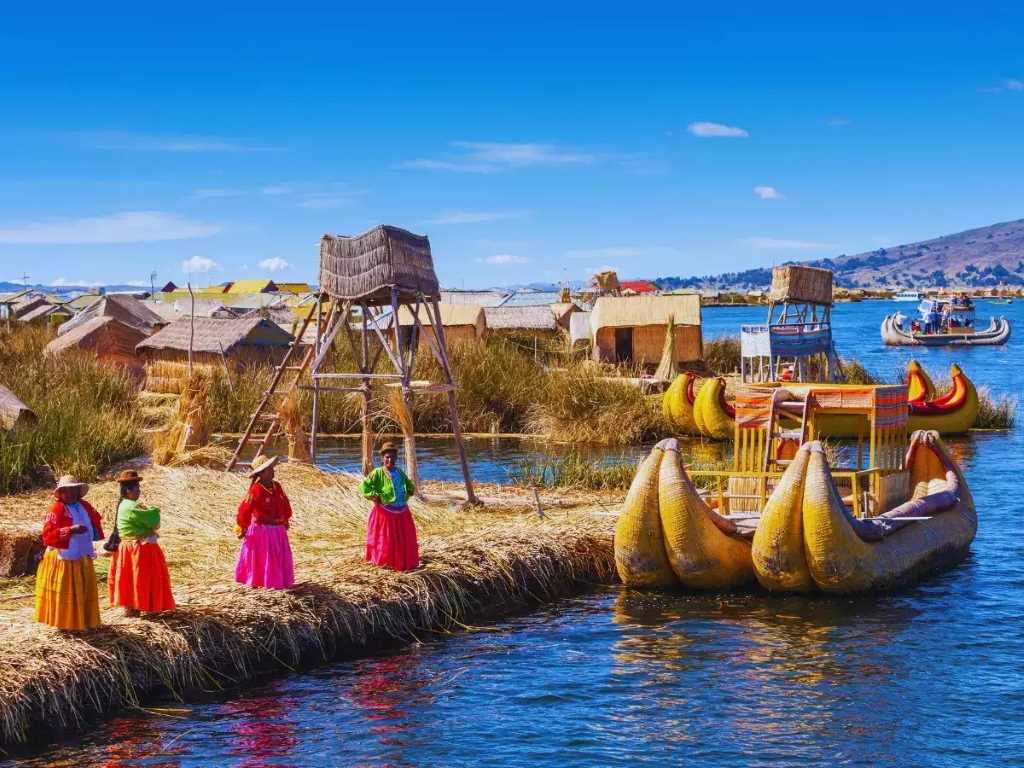
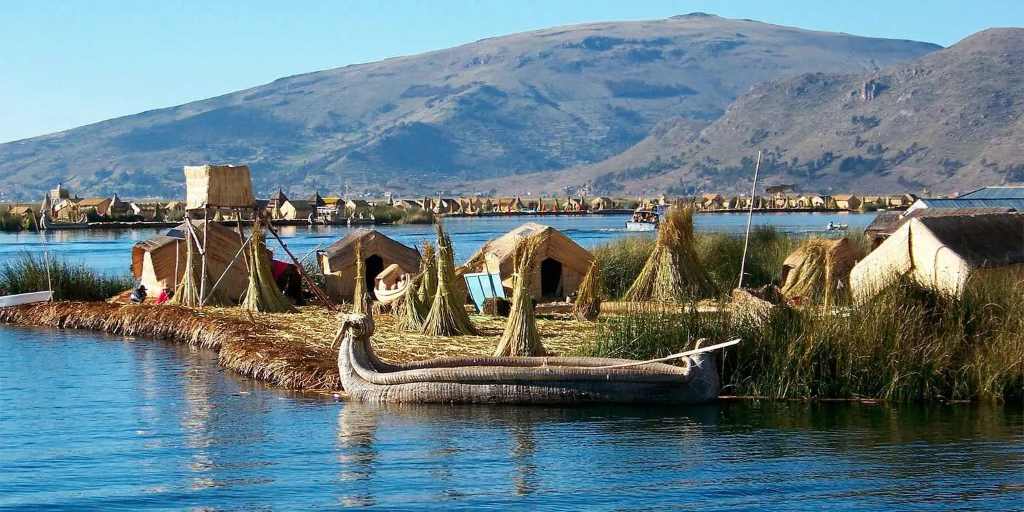
The Uros Islands, also known as the Floating Islands, are a truly unique feature of Lake Titicaca. These man-made islands are constructed entirely of totora reeds, a type of aquatic plant that grows abundantly in the lake. The Uros people have lived on these floating islands for centuries, maintaining their traditional way of life and welcoming visitors to experience their fascinating culture.
A Living Legacy of Ancient Civilizations
Lake Titicaca has witnessed the rise and fall of numerous civilizations throughout history. The Tiwanaku people, one of the most influential pre-Incan cultures, thrived in the region around 1500 BC, leaving behind impressive archaeological sites such as the Kalasasaya Temple and the Akapana Pyramid.
The Incas also revered Lake Titicaca as a sacred place, believing it to be the birthplace of their civilization. They built temples and palaces on the lake’s shores and islands, many of which can still be explored today.
Activities and Adventures on Lake Titicaca
Lake Titicaca offers a wide range of activities for visitors to enjoy. Boat tours are a popular way to explore the lake’s numerous islands and hidden coves. Kayaking and stand-up paddleboarding allow for a more intimate experience with the water, while fishing enthusiasts can try their luck at catching trout and kingfish.
For those seeking adventure, trekking and mountain biking are popular options in the surrounding mountains. The Cordillera Real, a majestic mountain range that borders the lake, offers challenging trails with breathtaking views.
Practical Information for Visitors
The main gateways to Lake Titicaca are the cities of Puno in Peru and Copacabana in Bolivia. Both cities offer a variety of accommodations, restaurants, and tour operators. It’s important to acclimatize to the high altitude before embarking on any strenuous activities, as altitude sickness can affect some visitors.
In Conclusion
Lake Titicaca is a destination that offers something for everyone. Whether you’re seeking natural beauty, cultural immersion, or outdoor adventure, this enchanting lake is sure to leave a lasting impression. Its unique blend of history, spirituality, and natural wonder makes it a must-visit destination for anyone exploring the wonders of South America.
Note: Remember to consult the latest travel advisories and guidelines before planning your trip to Lake Titicaca.