
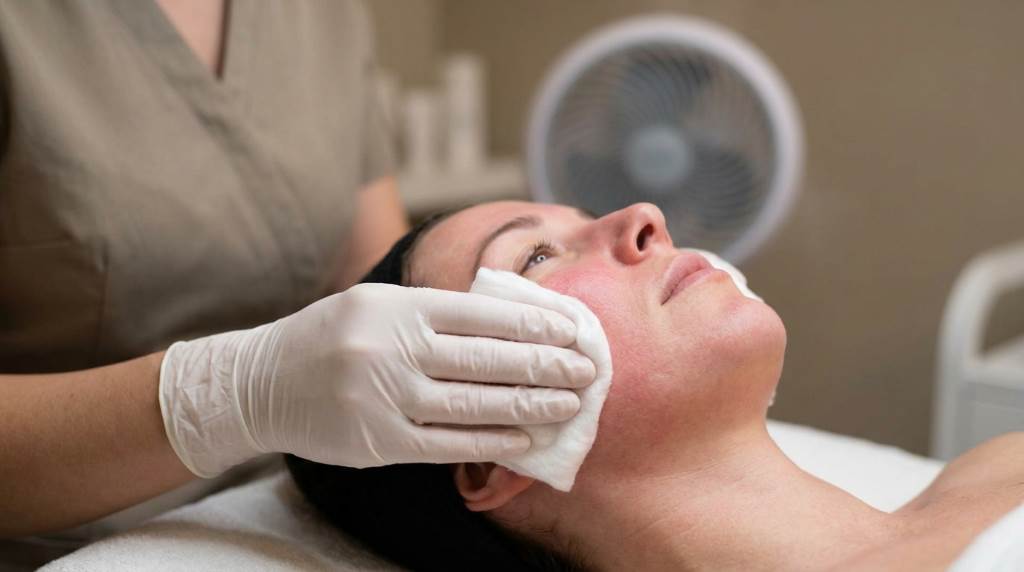
To soothe skin after a chemical peel in a spa, use cool compresses, gentle moisturizer, and strict sun protection. Avoid exfoliants, retinoids, fragrance, heat, and picking until your skin fully recovers.
Your exact aftercare depends on the peel strength and your skin response. Therefore, follow the spa provider’s instructions and seek medical advice for severe or worsening reactions. We suggest visiting the laser hair removal in midtown Manhattan.
Key Takeaways
- Use cool compresses to calm temporary warmth, redness, and discomfort.
- Keep treated skin clean with a gentle cleanser and lukewarm water.
- Apply a bland, fragrance free moisturizer as directed by your provider.
- Avoid scrubs, acids, retinoids, waxing, and other irritating treatments during recovery.
- Protect recovering skin from sunlight with shade, clothing, and suitable sunscreen.
- Never pull, scratch, or peel loose skin because healing tissue remains delicate.
Why Skin Feels Sensitive After A Chemical Peel
A chemical peel intentionally removes damaged outer skin layers through controlled chemical exfoliation. Consequently, treated skin may feel warm, tight, dry, tender, or unusually sensitive.
Light peels commonly cause redness followed by scaling and peeling. Medium peels can produce stronger redness, swelling, stinging, crusting, and longer recovery.
Your skin barrier needs time to rebuild after treatment. Therefore, the best soothing routine focuses on protection rather than aggressive correction. Visit the best anti aging facial in midtown Manhattan to get the best care for anti aging.
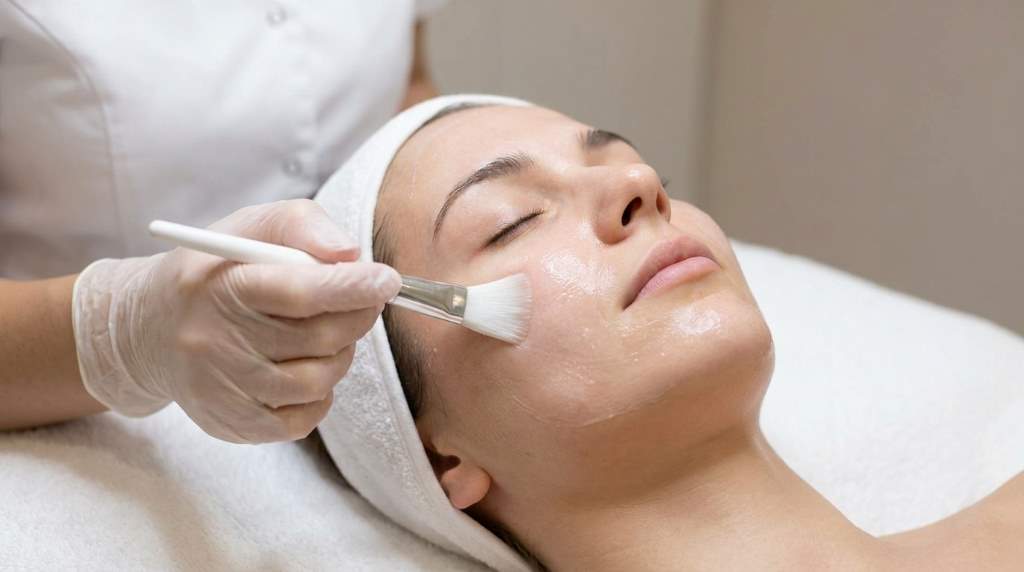
How To Soothe Skin After Chemical Peel In Spa
1. Start With A Cool Compress
A cool compress can provide simple relief when your skin feels warm or uncomfortable. Use clean, soft material and apply gentle cooling without pressing firmly.
Avoid placing ice directly against treated skin. Instead, use a comfortably cool compress for short periods and stop if discomfort increases.
2. Cleanse Without Scrubbing
Wash your face only as your provider recommends during the first recovery period. Use a gentle cleanser and lukewarm water rather than hot water.
Massage cleanser lightly with clean fingertips, then rinse without rubbing. Afterward, pat your skin dry using a soft, clean towel.
3. Apply A Gentle Moisturizer
Moisturizer helps reduce dryness and supports comfortable recovery while the skin barrier repairs itself. Choose the product recommended by your provider whenever possible.
Fragrance free creams often provide a gentler option for irritated skin. Look for simple formulas containing barrier supportive ingredients such as ceramides.
Apply moisturizer gently instead of rubbing it deeply into sensitive areas. Reapply according to your provider’s instructions whenever dryness becomes noticeable.
4. Protect Your Skin From Sun Exposure
Freshly treated skin can react strongly to sunlight during recovery. Therefore, reduce direct sun exposure and follow your provider’s sunscreen instructions carefully.
Use shade, wide brimmed hats, and protective clothing when you need to go outdoors. Once sunscreen becomes appropriate, use broad spectrum protection with SPF 30 or higher.
Reapply sunscreen according to product directions, especially after sweating or extended outdoor exposure. However, never force sunscreen onto broken or unusually painful skin without professional guidance.
What To Avoid After A Spa Chemical Peel
Many recovery problems happen when people try to accelerate peeling or restore their normal routine too quickly. Instead, give the treated skin enough time to settle.
- Do not scrub peeling skin or use facial brushes.
- Avoid retinol, tretinoin, and other retinoid products unless prescribed otherwise.
- Pause exfoliating acids such as glycolic, lactic, and salicylic acid.
- Avoid fragranced skincare products that sting or irritate treated areas.
- Do not wax, thread, or use depilatory products on recovering skin.
- Avoid tanning beds and deliberate tanning during the healing period.
- Do not pick flakes, scabs, blisters, or loose skin.
- Delay additional facials or aggressive treatments until your provider approves them.
How To Handle Peeling And Flaking Skin
Peeling often signals that the treated outer layer is shedding as expected. Although flakes can look tempting to remove, pulling them away can injure recovering skin.
Instead, keep the area moisturized and allow loose skin to detach naturally. This approach reduces unnecessary friction and helps protect newer skin underneath.
Do not use a scrub to speed up peeling. Likewise, avoid exfoliating gloves, cleansing brushes, and rough towels during recovery.
A Simple Post Peel Routine
A simple routine usually works better than a crowded skincare routine after a chemical peel. Keep every step gentle, predictable, and consistent.
Morning Routine
- Cleanse gently if your provider permits morning cleansing.
- Apply the recommended moisturizer without rubbing aggressively.
- Use appropriate broad spectrum sunscreen after your skin can tolerate it.
- Wear protective clothing and seek shade whenever possible.
Evening Routine
- Remove makeup gently if your provider has approved makeup use.
- Cleanse with lukewarm water and a mild cleanser.
- Pat the skin dry using a clean, soft towel.
- Apply your recommended moisturizer or healing product.
Keep the routine intentionally boring while your skin recovers. You can gradually return to active products after your provider confirms adequate healing.
When Can You Resume Normal Skincare?
The answer depends on the peel depth, ingredients, treatment area, and your individual healing response. Light peels may recover within several days, while deeper peels require considerably longer.
Do not restart retinoids or exfoliating acids simply because visible peeling has stopped. Your skin may still remain sensitive beneath the surface.
Ask your provider when you can resume active ingredients, facials, shaving, waxing, makeup, and exercise. Following one clear timeline reduces the temptation to experiment during recovery.
Can You Wear Makeup After A Chemical Peel?
Makeup timing depends on the peel depth and your provider’s instructions. Some light peels allow makeup quickly, while deeper treatments require longer healing periods.
Applying makeup too early can irritate vulnerable skin and complicate wound care. Therefore, wait until your provider confirms that makeup is appropriate.
When makeup becomes acceptable, use clean tools and avoid aggressive rubbing during application. Remove products gently and follow your normal aftercare instructions afterward.
How To Soothe Different Types Of Discomfort
For Warmth And Redness
Cool compresses can reduce temporary warmth and make mild redness more comfortable. Keep your environment comfortably cool and avoid unnecessary heat exposure.
For Tightness And Dryness
Apply the recommended moisturizer consistently rather than layering multiple unfamiliar products. A simple barrier focused routine usually creates less irritation than frequent product changes.
For Mild Stinging
Mild stinging can occur after treatment, especially when the skin barrier remains sensitive. Stop products that noticeably increase burning and contact your provider if symptoms persist.
For Itching
Do not scratch itchy treated skin because friction can damage fragile tissue. Instead, use gentle cooling and follow the soothing products recommended by your provider.
When A Chemical Peel Reaction Needs Medical Attention
Some redness, tenderness, swelling, and peeling can occur during normal recovery. However, severe or worsening symptoms require professional assessment.
Contact your provider promptly if you develop intense burning, increasing pain, significant swelling, or worsening redness. Also report unusual blistering, drainage, spreading warmth, or other concerning changes.
Seek urgent medical care for severe swelling, breathing difficulty, widespread blistering, or symptoms suggesting a serious allergic reaction. Do not attempt to treat a severe reaction with additional skincare products.
How Spa Aftercare Differs From Dermatologist Guided Peels
A spa treatment may use a lighter peel than a dermatologist supervised medical peel. However, the correct aftercare still depends on the specific product, concentration, application, and treatment depth.
Ask the provider exactly what peel you received before leaving the spa. Record the product name, strength, treatment date, expected peeling period, and recommended home products.
This information becomes especially useful if your skin develops an unexpected reaction. A medical professional can then understand what your skin experienced before recommending treatment.
How To Help Your Skin Recover Comfortably
Recovery becomes easier when you reduce friction, heat, sunlight, and unnecessary products. Therefore, treat your skin as temporarily fragile rather than trying to force faster results.
Sleep comfortably, stay hydrated through normal fluid intake, and maintain a balanced diet. These habits support general wellness while your skin completes its natural repair process.
Keep pillowcases, towels, makeup tools, and hands clean when they contact treated areas. Simple hygiene also reduces unnecessary irritation during recovery.
Common Aftercare Mistakes To Avoid
| Mistake | Why It Can Cause Problems | Better Approach |
| Picking peeling skin | It can injure fragile new skin. | Let loose skin detach naturally. |
| Using strong acids | They can increase irritation during healing. | Pause active exfoliants until approved. |
| Applying fragrance | Fragrance can irritate sensitive skin. | Use simple fragrance free products. |
| Taking hot showers | Heat can increase discomfort and redness. | Use comfortably lukewarm water. |
| Skipping sun protection | UV exposure can worsen irritation and discoloration. | Use shade and approved sunscreen. |
| Adding many products | Extra ingredients can make reactions harder to identify. | Keep your routine simple. |
What To Ask Before Leaving The Spa
Good aftercare starts before you leave the treatment room. Ask the provider for clear instructions instead of relying on memory later.
- What exact peel did you receive?
- How long should redness or peeling normally last?
- Which cleanser and moisturizer should you use?
- When can you restart retinoids and exfoliating acids?
- When can you safely wear makeup?
- When should you contact the provider about symptoms?
- When can you return for another facial or peel?
Written instructions can make recovery easier, especially when several products or restrictions apply. Keep them available until your skin returns to its usual condition.
Frequently Asked Questions
How can I quickly soothe burning after a chemical peel?
Use a cool compress and follow your provider’s recommended soothing products without adding irritating skincare ingredients.
Can I put moisturizer on peeling skin after a chemical peel?
Yes, apply the moisturizer recommended by your provider and avoid rubbing or removing loose skin.
Should I use ice after a chemical peel?
No, avoid direct ice because extreme cold can irritate recently treated skin.
Can I use aloe vera after a chemical peel?
Use aloe only if your provider approves the specific product and it does not irritate your treated skin.
How long should I avoid exfoliating after a chemical peel?
Wait until your provider confirms complete recovery before restarting exfoliating acids, scrubs, or other active treatments.
Final Thoughts
The safest way to soothe skin after a chemical peel in a spa involves gentle care and patience. Cool compresses, suitable moisturizer, careful cleansing, and sun protection can support comfortable recovery.
Most importantly, do not confuse faster peeling with better healing. Follow your provider’s instructions, avoid picking, and seek medical guidance when symptoms become severe or unusual.
Before your next peel, ask for written aftercare instructions and keep them accessible throughout your recovery period. Finally, we recommended the best facials in midtown Manhattan and the best manicure in midtown Manhattan to know more details.