
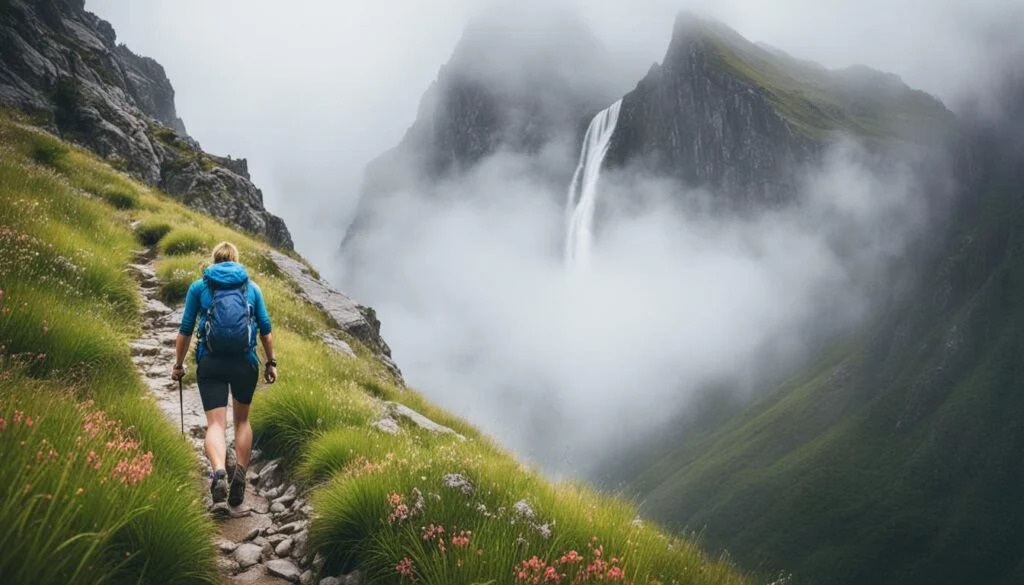
The Swiss Alps. The very name conjures images of iconic giants like the Matterhorn and the Eiger, of emerald valleys dotted with charming villages, and panoramic train rides scaling breathtaking heights. While these world-famous highlights undoubtedly deserve their acclaim, a different kind of magic awaits those willing to venture slightly off the well-trodden path. Switzerland guards countless hidden hiking trails, secluded valleys, and quiet peaks that offer a more intimate, tranquil, and profoundly personal connection with its majestic alpine heart. Forget the queues for the cable cars and the bustling viewpoints; imagine solitude, the whisper of the wind through ancient pines, and the thrill of discovering a panorama shared only with the chamois and eagles. This is the allure of Switzerland’s hidden hiking gems – an invitation to experience the Alps in their raw, authentic splendour.
Unveiling Secluded Sanctuaries: Trails Less Travelled
Venturing beyond the postcard routes reveals landscapes just as stunning, but often blissfully free from crowds. These trails might require a bit more planning or effort, but the rewards – solitude, unique vistas, and a sense of genuine discovery – are immeasurable.
The Gastlosen Trail (Pays d’Enhaut):
Often fondly referred to as the ‘Swiss Dolomites’, the Gastlosen range offers dramatic, jagged limestone peaks strikingly different from the typical Bernese Oberland giants. Located in the Pays d’Enhaut region (accessible from areas like Montreux or Gstaad), this 11km circular trail is a true hidden gem. While not overly strenuous for seasoned hikers (rated T2/T3), the initial 30-minute uphill climb certainly gets the heart pumping, reminding you you’re truly in the mountains.
The effort pays off immediately as the path levels out, winding through vibrant alpine pastures, serene forests, and constantly revealing new perspectives of the striking Gastlosen peaks. It’s a hike of incredible scenic variety, taking around 4 hours to complete. The crowning reward, besides the views, is the welcoming Buvette de Sattels mountain hut, offering delicious local cuisine and, if you’re lucky, perhaps even an impromptu alphorn performance by the owner – a truly authentic alpine moment far from the tourist trail.
Obersteinberg (Lauterbrunnen Valley):
Deep within the upper reaches of the famed Lauterbrunnen Valley, beyond the reach of roads and cable cars, lies Obersteinberg. Reaching this secluded mountain inn and working farm is an adventure in itself – a steady, rewarding 3-hour hike involving an ascent of over 900 meters (3000 feet). This commitment ensures tranquility. The inn itself is a step back in time; a simple, traditional wooden building dating from the late 1800s, lit only by candles and oil lamps, with hearty meals served family-style.
The milk, butter, and cheese come straight from the cows grazing peacefully outside your window. It’s this authenticity, coupled with its location within a UNESCO World Heritage site surrounded by towering cliffs, glaciers, and countless waterfalls, that makes Obersteinberg truly special. It offers an unparalleled opportunity to experience the raw power and beauty of the high Alps in relative solitude, a stark contrast to the (also beautiful but much busier) lower valley.
Val Verzasca (Ticino):
Journey south to the Italian-speaking canton of Ticino, and you’ll find the enchanting Val Verzasca. This valley offers a dramatically different alpine experience. Forget the classic wooden chalets; here, ancient, rustic stone villages (rustici) cling to steep, forested slopes. The Verzasca River, famous for its polished emerald waters and smooth rock formations, flows through the valley floor. Hiking options abound, from gentle walks along the river, discovering hidden pools and picturesque stone bridges (like the iconic Ponte dei Salti), to more demanding climbs into wild side valleys or onto high ridge routes like the challenging Via Alta della Verzasca. Waterfalls cascade down sheer rock faces, and the air feels ancient and wild. It’s often described as feeling like stepping into a fantasy realm, offering a unique blend of Mediterranean flair and rugged alpine beauty, far less known than its northern counterparts.
Related: Essential Travel Item: Beyond Passport, What Truly Matters for Seamless Adventures?
Gearing Up for Your Alpine Escape: Essential Preparation
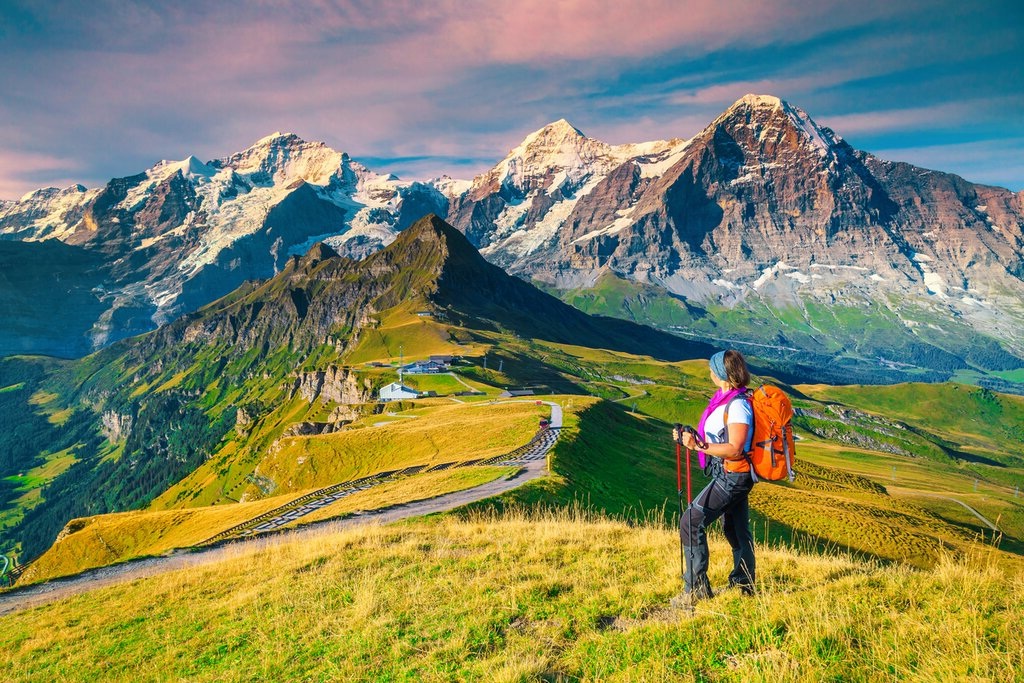
Embarking on hikes away from the main tourist hubs requires careful preparation. The beauty of these less-frequented trails comes with the responsibility of being self-sufficient and aware.
Planning & Navigation:
Before setting foot on any trail, especially a quieter one, thorough planning is crucial. Research the specific route: understand its length, total elevation gain and loss, and critically, its difficulty rating (Switzerland uses a T1-T6 scale, T1 being easy walking, T6 serious alpine mountaineering). Consult reliable maps – both digital apps (like SchweizMobil) and traditional paper maps (essential as backup, as phone signals can be unreliable). Check the weather forecast meticulously, not just for the day but specifically for the mountain region, as conditions can change rapidly (sunshine can turn to fog, rain, or even snow surprisingly quickly at altitude). Always inform someone – a friend, family member, or hotel staff – of your intended route and expected return time. This simple step is a vital safety measure.
Gear Essentials:
Comfort and safety hinge on having the right equipment. Layering your clothing is key: start with a moisture-wicking base layer, add an insulating mid-layer (like fleece or down), and top with a waterproof and windproof outer shell. Proper footwear is non-negotiable: sturdy, broken-in hiking boots with good ankle support and grip are essential for navigating uneven terrain. Protect yourself from the sun, which is much stronger at altitude, with a hat, sunglasses, and high-SPF sunscreen. Carry sufficient water (at least 2 litres per person for a full day) and energy-rich food (nuts, dried fruit, energy bars, sandwiches). A basic first-aid kit, a charged mobile phone, and a portable power bank are indispensable items for any hike. A lightweight survival blanket is also a wise addition for emergencies.
Safety First:
Respect the mountain environment. Always stay on marked trails; shortcuts can lead to disorientation and dangerous terrain, and also cause erosion. Be sure-footed, especially on loose scree, wet rocks, or steep descents – fatigue significantly impacts concentration and stability. Be aware of potential natural hazards like rockfall (avoid lingering on steep slopes with loose rock above) or sudden weather changes. Streams can swell rapidly during heavy rain. Give grazing animals, particularly cows with calves, a wide berth and never try to feed or pet them; close gates behind you. Know the emergency numbers: 112 is the general European emergency number, and 1414 connects you to REGA, the Swiss air rescue service. Responsible preparation ensures your adventure is memorable for all the right reasons.
Related: 10 Best Places to See Bioluminescence in Florida: A Magical Glow Beneath the Surface
The Rewards of Seeking Solitude: Why Go Off-Piste?
Choosing hidden trails over famous routes offers unique benefits that resonate long after the hike is over.
Peace and Quiet:
Perhaps the most immediate reward is the profound sense of peace. Away from the chatter and footsteps of crowded paths, you can truly immerse yourself in the alpine soundscape: the distant clang of cowbells, the cry of a marmot, the rush of wind over a ridge, or simply, the immense silence of the high mountains. This tranquility provides a powerful mental reset, a chance to disconnect from the everyday hustle and reconnect with yourself and the natural world. It’s in these quiet moments, surrounded by grandeur, that you often find the most clarity.
Authentic Encounters:
Venturing onto less-travelled paths often leads to more genuine experiences. You might stumble upon a small, family-run farm selling homemade cheese, share a mountain hut with local hikers rather than large tour groups, or simply exchange a friendly “Grüezi” with a farmer tending their fields. These encounters offer a glimpse into traditional alpine life that can be missed in more developed tourist centers. The connection feels more personal, the discoveries more serendipitous, enriching your understanding and appreciation of the region.
A Sense of Adventure:
There’s an undeniable thrill in navigating a trail that isn’t featured in every guidebook. Successfully finding your way to a remote lake, cresting a pass with only the peaks for company, or completing a challenging route brings a deep sense of accomplishment. These experiences forge unique memories and stories that are distinctly yours. The effort involved in reaching these hidden spots enhances their beauty and makes the journey itself an integral part of the adventure, fostering self-reliance and a spirit of exploration.
Related: How to Start a Small Travel Agency Without Experience: Your Step-by-Step Guide
People Also Ask (FAQs)
-
What’s the best time to hike hidden trails in the Swiss Alps?
The main hiking season for high-altitude trails (above ~2000m) is generally from late June/early July to mid/late September, when paths are most likely to be snow-free. For lower to mid-altitude trails, the season extends from May through October. The shoulder seasons (June and September/October) offer fewer crowds and pleasant temperatures, with wildflowers peaking in July/August and autumn colours appearing in September. Always check current conditions for specific trails.
-
Do I need a guide for these trails?
Many hidden trails are well-marked (yellow signs for hiking paths, red-and-white for mountain trails) and suitable for experienced hikers with good navigation skills to tackle independently. However, for very remote routes, challenging terrain (T3+), off-trail navigation, glacier crossings, or if you lack alpine experience, hiring a certified local mountain guide is highly recommended for safety and enrichment.
-
How difficult are these hidden trails?
Difficulty varies enormously, just like the more famous trails. Switzerland uses a T1 (easy path) to T6 (difficult alpine route) scale. Research the specific T-rating, elevation profile, and distance for any trail you consider. There are hidden gems suitable for leisurely walkers as well as challenging multi-day treks for seasoned alpinists.
-
Is it safe to hike alone on quieter trails?
Hiking solo is possible but requires extra precaution. Choose trails well within your ability, meticulously plan your route, carry reliable navigation tools (and know how to use them), inform someone of your detailed plans, check weather carefully, pack essential safety gear, and be highly aware of your surroundings. If you’re inexperienced or unsure, stick to more popular routes or hire a guide. Trust your instincts; turn back if conditions feel unsafe.
-
What essentials should I always pack for a day hike?
Regardless of the trail’s popularity, always carry: adequate water (min. 1.5-2L), sufficient food/snacks, layered clothing (including waterproofs), sturdy hiking boots, sun protection (hat, glasses, sunscreen), a basic first-aid kit, a fully charged phone and a power bank, and a map/navigation tool (physical or reliable offline digital).
Conclusion: Your Unique Alpine Story Awaits
The Swiss Alps are a realm of infinite wonder, extending far beyond the familiar peaks and valleys celebrated worldwide. By seeking out the hidden trails, the quiet corners, and the less-trodden paths, you unlock a different dimension of this alpine paradise. It’s an experience defined by tranquility, authenticity, and the simple, profound joy of discovery. While the iconic routes offer undeniable spectacle, the secluded trails provide space for introspection, genuine connection with nature, and the creation of unique, personal memories. So, plan carefully, pack wisely, tread respectfully, and step off the beaten path. Your own unforgettable Swiss alpine story is waiting to be written.