
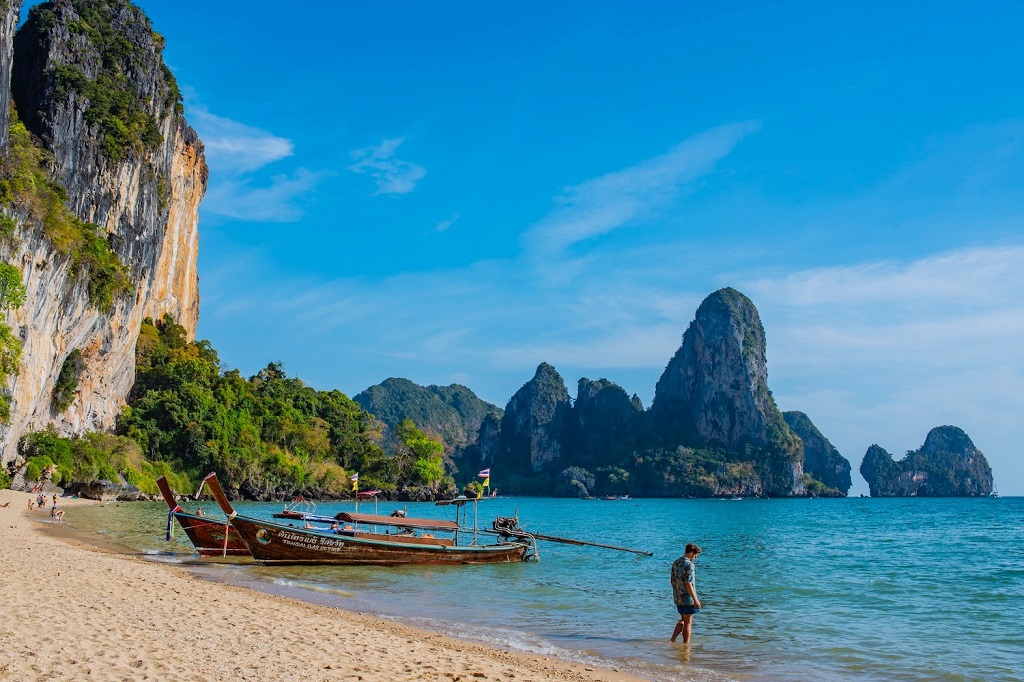
Krabi, a province on Thailand’s Andaman Sea coast, is a tropical paradise renowned for its dramatic limestone cliffs, turquoise waters, and vibrant island ecosystems. With over 130 islands, lush jungles, and cultural landmarks, Krabi offers a blend of adventure, relaxation, and cultural immersion. This guide delves into the best places to visit in Krabi, exploring their history, current state, key attractions, benefits, challenges, and future trends, while providing expert insights for seasoned travelers.
History of Krabi’s Tourism
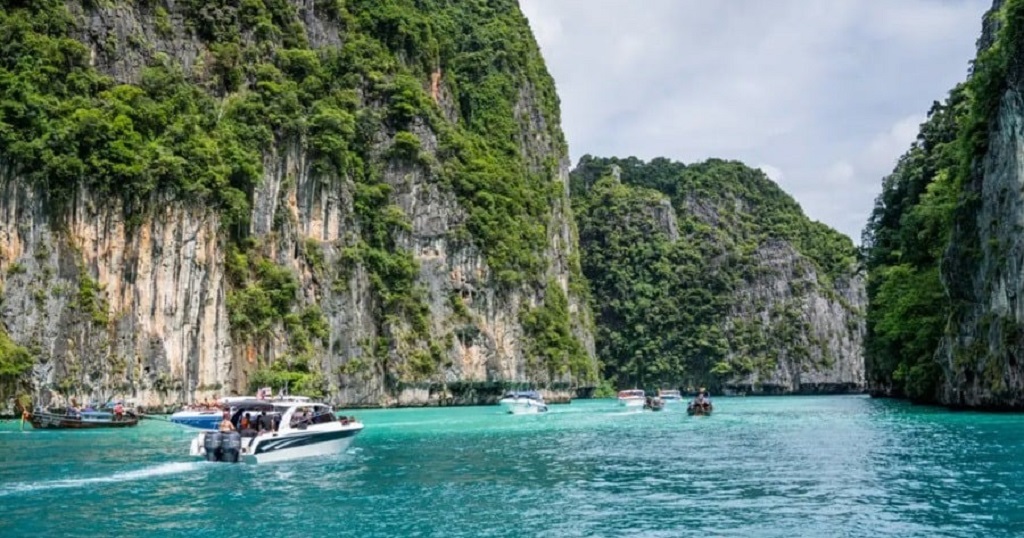
Krabi’s transformation from a quiet coastal region to a global tourism hotspot is a story of natural beauty meeting modern discovery. Historically, Krabi was a fishing and agricultural hub, with communities relying on the Andaman Sea and fertile lands. Its tourism potential emerged in the late 20th century, catalyzed by the 2000 film The Beach, filmed at Maya Bay, which spotlighted Krabi’s stunning landscapes.
Early Beginnings
-
Pre-Tourism Era: Krabi’s economy centered on fishing, rubber plantations, and tin mining. Coastal communities, including those in Krabi Town, lived in harmony with the sea and mangroves.
-
1970s-1980s: Backpackers discovered Krabi’s secluded beaches, particularly Railay, drawn by its cliffs and laid-back vibe. Word-of-mouth spread about its untouched beauty.
-
1990s Growth: Improved infrastructure, including Krabi International Airport, made the province more accessible. Ao Nang emerged as a tourist hub, with guesthouses and bars catering to visitors.
Modern Tourism Boom
-
Post-2000 Surge: The release of The Beach brought global attention, increasing visitor numbers to islands like Koh Phi Phi.
-
Conservation Efforts: Over-tourism led to environmental strain, prompting measures like Maya Bay’s closure in 2018 to restore its ecosystem.
-
Cultural Preservation: Temples like Wat Tham Sua have remained spiritual anchors, blending tradition with tourism.
Current State of Krabi’s Tourism
Today, Krabi balances vibrant tourism with conservation efforts. It attracts adventure seekers, luxury travelers, and eco-conscious visitors. The province offers a mix of bustling tourist hubs like Ao Nang and serene retreats like Koh Yao Noi. However, challenges like overcrowding and environmental degradation persist.
Key Statistics
-
Visitor Numbers: In 2019, Thailand welcomed nearly 40 million tourists, with Krabi as a top destination.
-
Tourism Revenue: Krabi contributes significantly to Thailand’s tourism-driven GDP, with Ao Nang and Koh Phi Phi as major economic drivers.
-
Conservation Measures: Entry fees and visitor caps on islands like Bamboo Island fund environmental protection.
Popular Tourist Hubs
-
Ao Nang: The main resort area, with a lively beachfront, bars, and tour operators.
-
Railay Beach: A peninsula accessible only by boat, famous for rock climbing and pristine beaches.
-
Koh Phi Phi: A bucket-list destination despite occasional overcrowding.
-
Krabi Town: A cultural hub with markets and temples, ideal for authentic Thai experiences.
Key Places to Visit in Krabi
Krabi’s attractions range from iconic beaches to hidden gems. Below is a curated list of must-visit spots, with detailed insights for each.
Railay Beach
Railay, a peninsula cut off from the mainland by limestone cliffs, is a crown jewel of Krabi. Accessible only by longtail boat, it offers four distinct beaches: Railay West, Railay East, Phra Nang, and Tonsai.
Highlights
-
Railay West: Ideal for swimming and sunbathing, with soft sands and clear waters.
-
Activities: Kayaking, sunset watching, and dining at beachfront restaurants.
-
Tip: Visit early morning to avoid crowds.
-
-
Phra Nang Beach: Known for its dramatic cliffs and Phra Nang Cave, a spiritual site with unique offerings.
-
Cultural Note: The cave is dedicated to a mythical princess, with phallic symbols as offerings for fertility.
-
-
Tonsai Beach: A haven for climbers and backpackers, with a laid-back, hippie vibe.
-
Rock Climbing: Over 700 routes, catering to beginners and experts.
-
-
Railay Viewpoint and Lagoon: A challenging hike rewards with panoramic views and a hidden lagoon.
Benefits
-
Diverse activities, from adventure sports to relaxation.
-
Secluded feel despite popularity, thanks to boat-only access.
-
Stunning natural beauty, with limestone cliffs framing turquoise waters.
Challenges
-
Overcrowding during peak season (November-March).
-
Limited accommodation options, with high-end resorts dominating.
-
Weather-dependent access, as rough seas can disrupt boat travel.
Koh Phi Phi
Koh Phi Phi, comprising Phi Phi Don and Phi Phi Leh, is synonymous with tropical paradise. Maya Bay on Phi Phi Leh, closed temporarily for ecological recovery, remains a highlight.
Highlights
-
Maya Bay: A cinematic crescent of sand, viewable by boat tours.
-
Conservation Status: Reopened in 2022 with strict visitor limits to protect coral reefs.
-
-
Phi Phi Don: The main island, with vibrant nightlife, beaches, and viewpoints.
-
Viewpoint 1: A 30-minute hike offering sweeping views of the archipelago.
-
Nightlife: Bars and fire shows at Loh Dalum Beach.
-
-
Snorkeling and Diving: Vibrant coral reefs and marine life, including turtles and reef sharks.
Benefits
-
Iconic beauty, ideal for photography and Instagram-worthy moments.
-
Wide range of activities, from diving to island hopping.
-
Accessible from Krabi Town or Ao Nang via ferry.
Challenges
-
Over-tourism, especially on Phi Phi Don, leading to crowded beaches.
-
Environmental strain, with ongoing efforts to balance tourism and conservation.
-
High costs for accommodation and tours during peak season.
Tiger Cave Temple (Wat Tham Sua)
Wat Tham Sua, nestled in a jungle-clad valley, is a spiritual and physical challenge. Its 1,237-step climb to a hilltop shrine offers breathtaking views and cultural immersion.
Highlights
-
The Climb: A steep ascent to a golden Buddha statue and panoramic views of Krabi’s coastline.
-
Tip: Start early (before 8 AM) to avoid heat and crowds.
-
-
Cave Complex: Home to monks and meditation retreats, with tiger paw prints etched in stone.
-
Valley of Statues: Features intricate Buddhist figures and serene gardens.
Benefits
-
Combines adventure (hiking) with cultural and spiritual experiences.
-
Free entry, making it budget-friendly.
-
Stunning 360° views of Krabi’s karsts and sea.
Challenges
-
Physically demanding climb, not suitable for all fitness levels.
-
Limited facilities at the summit (bring water and sunscreen).
-
Monkeys can be aggressive; secure belongings.
Thung Teao Forest Natural Park
This lowland rainforest is home to the Emerald Pool and Blue Pool, offering a serene escape from Krabi’s beaches.
Highlights
-
Emerald Pool (Sa Morakot): A turquoise pond perfect for swimming, surrounded by jungle trails.
-
Access: A 1.4-km trail from the park entrance, with boardwalks for accessibility.
-
-
Blue Pool: A vibrant, non-swimmable pool with crystal-clear water, ideal for photography.
-
Wildlife: Home to rare birds like the Gurney’s Pitta and diverse flora.
Benefits
-
Less crowded than coastal attractions, offering tranquility.
-
Educational trails with information on local ecosystems.
-
Affordable entry (around 200 THB).
Challenges
-
Remote location requires a scooter or taxi (40 minutes from Ao Nang).
-
Crowds during peak season can detract from the experience.
-
Monsoon season (June-October) may cause trail closures.
Koh Poda
Part of the Four Islands Tour, Koh Poda is a postcard-perfect island with white sands and coral reefs.
Highlights
-
Beaches: Pristine sands and shallow waters ideal for families.
-
Snorkeling: Coral reefs 20 meters offshore teem with marine life.
-
Accessibility: A 20-minute boat ride from Ao Nang, often combined with Chicken Island and Tup Island.
Benefits
-
Less crowded than Koh Phi Phi, offering a relaxed vibe.
-
Affordable day trips (around 500-1000 THB).
-
Ideal for snorkeling and photography.
Challenges
-
Limited facilities (basic restrooms and food stalls).
-
Day-trip focus means no overnight stays.
-
Environmental concerns due to increasing visitor numbers.
Hong Islands
A cluster of limestone islands, the Hong Islands offer hidden lagoons, beaches, and snorkeling spots.
Highlights
-
Hong Lagoon: A turquoise lagoon surrounded by cliffs, accessible by kayak.
-
Pakbia and Lading Islands: Smaller islands with secluded beaches.
-
Snorkeling: Vibrant coral reefs and clear waters.
Benefits
-
Less touristy than Koh Phi Phi, offering a peaceful escape.
-
Ideal for kayaking and nature lovers.
-
Part of organized tours from Ao Nang.
Challenges
-
Boat access only, with costs varying by season (1000-2000 THB).
-
Limited shade and facilities on smaller islands.
-
Weather-dependent, with rough seas in monsoon season.
Krabi Town
The provincial capital offers a cultural contrast to Krabi’s beaches, with markets, temples, and a relaxed vibe.
Highlights
-
Krabi Weekend Night Market: Open Friday-Sunday, offering street food and crafts.
-
Wat Kaew Korawaram: A white temple with dragon-adorned stairs and a golden Buddha.
-
Khao Khanab Nam: Twin limestone peaks with caves, accessible by boat.
Benefits
-
Authentic Thai culture with fewer tourists than Ao Nang.
-
Budget-friendly dining (Pad Thai for 40 THB).
-
Ideal base for exploring inland attractions.
Challenges
-
No beaches, which may disappoint some travelers.
-
Limited nightlife compared to Ao Nang or Koh Phi Phi.
-
Requires transportation to reach coastal attractions.
Comparison Table of Key Attractions
|
Attraction |
Type |
Key Activities |
Accessibility |
Cost (THB) |
Crowd Level |
Best Time to Visit |
|---|---|---|---|---|---|---|
|
Railay Beach |
Peninsula/Beach |
Rock climbing, kayaking, sunbathing |
Boat from Ao Nang |
100-200 (boat) |
High |
Nov-Mar |
|
Koh Phi Phi |
Island |
Snorkeling, diving, nightlife |
Ferry from Krabi/Ao Nang |
400-600 (ferry) |
Very High |
Nov-Mar |
|
Tiger Cave Temple |
Temple/Hike |
Hiking, cultural exploration |
Taxi/scooter from Krabi |
Free |
Moderate |
Early morning |
|
Thung Teao Forest |
National Park |
Swimming, hiking, wildlife |
Taxi/scooter from Ao Nang |
200 |
Moderate |
Nov-Mar |
|
Koh Poda |
Island |
Snorkeling, beach relaxation |
Boat tour from Ao Nang |
500-1000 |
Moderate |
Nov-Mar |
|
Hong Islands |
Island Cluster |
Kayaking, snorkeling, lagoon exploration |
Boat tour from Ao Nang |
1000-2000 |
Low-Moderate |
Nov-Mar |
|
Krabi Town |
Town/Cultural |
Markets, temples, river walks |
Taxi/bus from airport |
Free-50 |
Low |
Year-round |
Benefits of Visiting Krabi
Krabi’s diverse attractions cater to various travel styles, from adventure to relaxation.
-
Natural Beauty: Limestone cliffs, turquoise waters, and jungles create a stunning backdrop.
-
Adventure Opportunities: Rock climbing, diving, kayaking, and hiking appeal to thrill-seekers.
-
Cultural Immersion: Temples and markets offer authentic Thai experiences.
-
Affordability: Budget-friendly options like street food and local tours make Krabi accessible.
-
Eco-Tourism: Conservation efforts promote sustainable travel, appealing to eco-conscious visitors.
Challenges of Visiting Krabi
Despite its allure, Krabi faces challenges that travelers should consider.
-
Over-Tourism: Popular spots like Koh Phi Phi and Railay can be overcrowded, especially in peak season (November-March).
-
Environmental Strain: Coral reefs and beaches face degradation from heavy visitor traffic.
-
Weather Dependency: Monsoon season (June-October) brings rain and rough seas, limiting island access.
-
Infrastructure Limits: Remote areas like Thung Teao lack robust facilities, requiring planning.
-
Cost Variability: Peak season sees inflated prices for tours and accommodation.
Future Trends in Krabi’s Tourism
Krabi’s tourism is evolving to balance growth with sustainability, driven by global trends and local initiatives.
Sustainable Tourism
-
Eco-Friendly Practices: Visitor caps and entry fees fund conservation, as seen on Bamboo Island.
-
Low-Impact Tours: Kayaking and private tours minimize environmental impact.
-
Community-Based Tourism: Initiatives like Krabi Elephant Sanctuary promote ethical wildlife experiences.
Technological Integration
-
Digital Booking Platforms: Apps like GetYourGuide simplify tour bookings.
-
Virtual Guides: AR/VR experiences may enhance temple and cave visits in the future.
-
Social Media Influence: Instagram drives visits to spots like Maya Bay, shaping tourism patterns.
Infrastructure Development
-
Marina Upgrades: Krabi Boat Lagoon and Port Takola are expanding facilities for yachtsmen.
-
Airport Expansion: Krabi International Airport plans upgrades to handle more international flights.
-
Eco-Resorts: Luxury resorts with sustainable designs are gaining popularity.
Emerging Destinations
-
Koh Yao Noi: A quieter alternative to Koh Phi Phi, ideal for eco-tourists.
-
Ao Luk Mangroves: Kayaking tours are gaining traction for their unique ecosystem.
-
Inland Attractions: Places like Tha Pom Klong Song Nam are drawing visitors seeking non-beach experiences.
Expert Tips for Seasoned Travelers
For those familiar with Krabi, these tips enhance the experience:
-
Off-Peak Travel: Visit in April-May or September-October for fewer crowds and lower prices.
-
Private Tours: Book private boats to Koh Poda or Hong Islands for a tailored experience.
-
Local Dining: Seek out hole-in-the-wall spots like Mr. Chef in Krabi Town for authentic Pad Grapao.
-
Scooter Exploration: Rent a scooter to discover hidden gems like Klong Root’s flooded forest.
-
Conservation Awareness: Support eco-friendly operators and avoid single-use plastics.
Review: A Traveler’s Perspective
Krabi is a destination that delivers on its promise of paradise, but it’s not without flaws. Railay Beach’s limestone cliffs and turquoise waters are breathtaking, and the climb to Tiger Cave Temple’s summit is a rewarding challenge with unparalleled views. However, the crowds at Koh Phi Phi and Ao Nang can detract from the experience, especially in peak season. The Emerald Pool offers a serene escape, but reaching it requires planning due to its remote location. Krabi’s charm lies in its diversity—whether you’re scaling cliffs, snorkeling reefs, or savoring street food, there’s something for everyone. The key is to plan strategically, visit lesser-known spots like Tonsai or Koh Yao Noi, and embrace sustainable practices to preserve Krabi’s beauty.
FAQs
-
What is the best time to visit Krabi?
November to March offers dry, pleasant weather ideal for beach activities and island hopping. -
How do I get to Railay Beach?
Railay is accessible only by longtail boat from Ao Nang (10-15 minutes, 100-200 THB). -
Is Maya Bay open to tourists?
Maya Bay reopened in 2022 with visitor limits to protect its ecosystem. Check tour operators for access details. -
What are the best activities for adventure seekers?
Rock climbing on Railay, diving in Koh Phi Phi, and kayaking in Hong Lagoon are top picks. -
Are there budget-friendly options in Krabi?
Yes, Krabi Town’s markets, budget guesthouses, and street food (e.g., 40 THB Pad Thai) are affordable.
Read More Also: Best Way to Find Authentic Street Food in Bangkok Safely
Conclusion
Krabi is a multifaceted destination where dramatic landscapes, cultural richness, and adventure converge. From the iconic Railay Beach to the spiritual heights of Tiger Cave Temple, its attractions cater to diverse tastes. While challenges like over-tourism and seasonal weather require careful planning, Krabi’s commitment to sustainability and emerging eco-friendly trends ensure its allure endures. Whether you’re a first-time visitor or a seasoned traveler, Krabi offers unforgettable experiences. Plan strategically, explore beyond the tourist trail, and immerse yourself in this Andaman gem.