
Picture this: you’re standing in the golden light of a Tuscan sunset, sipping Chianti while overlooking rolling vineyards, or perhaps you’re gliding through Venice’s canals on a crisp autumn morning with fewer crowds blocking your perfect photo. The difference between a good Italian vacation and an extraordinary one often comes down to timing. Italy’s diverse climate, seasonal festivals, and varying tourist crowds make choosing the right time to visit crucial for maximizing your experience while minimizing stress and expenses.
Understanding Italy’s Climate and Seasonal Patterns
Italy’s boot-shaped peninsula stretches across multiple climate zones, creating distinct seasonal experiences from the Alps in the north to Sicily in the south. The Mediterranean climate dominates most regions, featuring hot, dry summers and mild, wet winters. However, northern Italy experiences more continental weather patterns, while the south enjoys subtropical conditions.
Spring (March-May) brings mild temperatures, blooming landscapes, and fewer tourists. Summer (June-August) delivers peak tourist season with hot weather and crowded attractions. Autumn (September-November) offers comfortable temperatures and harvest season delights. Winter (December-February) provides the quietest period with cooler weather and potential travel savings.
Spring: The Sweet Spot for First-Time Visitors
Weather and Conditions
Spring emerges as Italy’s most balanced season, with temperatures ranging from 15-22°C (59-72°F). Rain becomes less frequent after March, and the countryside transforms into a painter’s palette of wildflowers and fresh green landscapes. This shoulder season offers the perfect compromise between pleasant weather and manageable crowds.
Top Spring Activities and Experiences
Explore Rome’s Ancient Wonders: Walk through the Roman Forum and Colosseum without the oppressive summer heat. The mild temperatures make outdoor sightseeing comfortable, and you’ll spend less time waiting in lines.
Tuscan Hill Towns Discovery: Visit Siena, San Gimignano, and Montepulciano when the countryside is at its most photogenic. Spring offers ideal conditions for wine tasting tours and countryside drives.
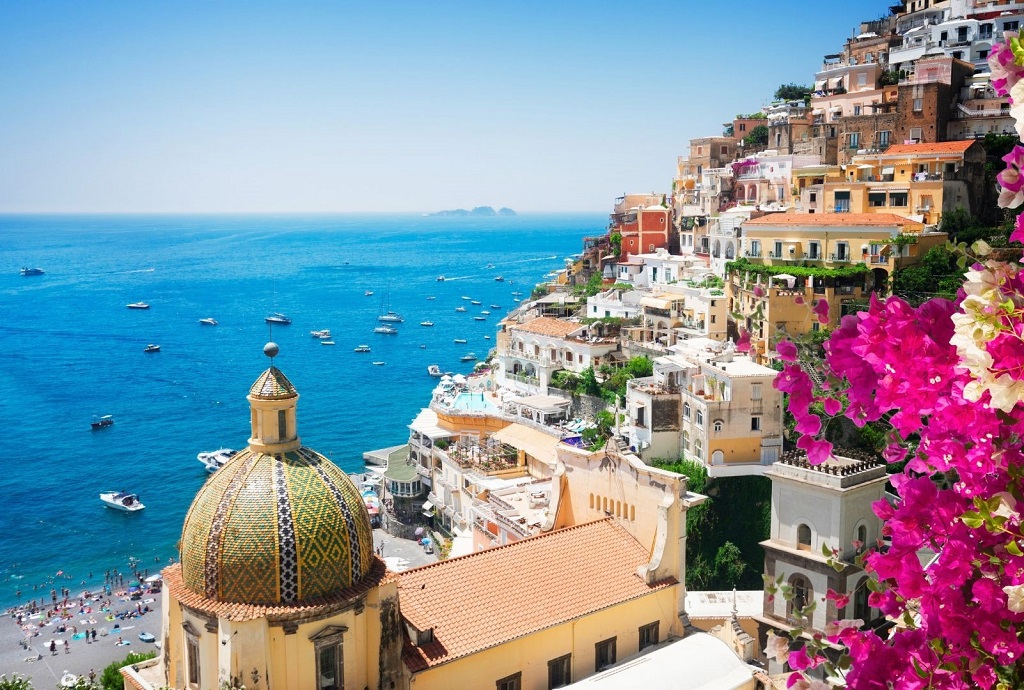
Amalfi Coast Preparation: While swimming might be too cool, spring is perfect for hiking the Path of the Gods trail and exploring coastal towns like Positano and Ravello without summer’s overwhelming crowds.
Art and Culture Immersion: Florence’s Uffizi Gallery and Milan’s La Scala opera house are more accessible during spring months. Museum visits become more enjoyable without fighting summer tourist hordes.
Spring Festivals and Events
- Easter Celebrations: Experience authentic Italian Easter traditions, particularly impressive in Rome and Sicily
- Maggio Musicale Fiorentino: Florence’s prestigious classical music festival (May-June)
- La Notte Bianca: Rome’s all-night cultural event featuring free museum access
Summer: Peak Season Brilliance and Challenges
Weather Realities
Summer brings temperatures of 25-35°C (77-95°F), with southern regions and inland areas experiencing extreme heat. Coastal areas benefit from sea breezes, making beach destinations more comfortable than cities.
Summer Highlights and Strategies
Mediterranean Beach Bliss: Italy’s coastline shines during summer months. The Italian Riviera, Sardinia, and Sicily offer perfect beach weather and vibrant nightlife scenes.
Northern Lakes Perfection: Lake Como, Lake Garda, and Lake Maggiore provide cooler alternatives to southern heat while maintaining summer’s recreational opportunities.
Festival Season: Summer hosts Italy’s most famous festivals, including the Palio di Siena horse race and numerous food festivals celebrating local harvests.
Alpine Adventures: The Dolomites and Italian Alps offer hiking, mountaineering, and scenic drives with perfect weather conditions.
Managing Summer Crowds
- Book accommodations and popular attractions well in advance
- Start sightseeing early morning (7-9 AM) to avoid crowds and heat
- Take afternoon breaks during peak heat hours (12-4 PM)
- Consider less popular destinations like Puglia or Umbria
Autumn: The Connoisseur’s Choice
Why Autumn Excels
September through November delivers some of Italy’s most rewarding travel experiences. Temperatures cool to a comfortable 18-25°C (64-77°F), summer crowds disperse, and the harvest season brings culinary adventures.
Autumn Experiences
Harvest Season Delights: Participate in grape harvests in Tuscany, Piedmont, and Veneto regions. Wine festivals and truffle hunting experiences peak during autumn months.
Cultural Renaissance: Museums, galleries, and historic sites become more accessible as tour groups thin out. Venice regains its romantic atmosphere, and Rome’s outdoor dining scene thrives.
Shoulder Season Savings: Accommodation prices drop significantly while weather remains pleasant for most activities.
Foliage and Photography: Northern Italy’s landscapes transform into spectacular autumn colors, particularly in the Dolomites and lake regions.
October Festivals
- Alba White Truffle Festival: Piedmont’s celebration of the prized white truffle
- Salone del Gusto: Turin’s international food festival
- Romaeuropa Festival: Contemporary arts and culture celebration
Winter: Hidden Gems and Unique Experiences
Winter Appeal
While Italy’s winter receives less attention, it offers unique opportunities for budget-conscious travelers and those seeking authentic local experiences. Temperatures range from 5-15°C (41-59°F), with northern regions experiencing snow.
Winter Activities
Christmas Market Magic: Northern cities like Bolzano and Trento host enchanting Christmas markets with German influences.
Skiing and Snow Sports: The Italian Alps and Dolomites provide world-class skiing from December through March.
Cultural Immersion: Experience Italy like locals do, with fewer tourists and more authentic interactions.
Indoor Treasures: Perfect weather for exploring museums, churches, and indoor attractions without competition.
Sicily’s Mild Winter: Southern Italy remains pleasant during winter, with temperatures rarely dropping below 10°C (50°F).
Regional Timing Considerations
Northern Italy (Milan, Venice, Turin)
- Best Overall: April-May, September-October
- Winter Sports: December-March
- Avoid: July-August (hot and humid)
Central Italy (Rome, Florence, Tuscany)
- Optimal: April-June, September-November
- Peak Season: July-August (very hot and crowded)
- Budget Option: November-March (cooler but pleasant)
Southern Italy (Naples, Sicily, Sardinia)
- Perfect: May-June, September-October
- Beach Season: June-September
- Mild Alternative: March-April, November
Budget Considerations Across Seasons
High Season (July-August): Expect 30-50% higher accommodation costs, crowded attractions, and limited availability.
Shoulder Seasons (April-June, September-November): Balanced pricing with good weather and moderate crowds.
Low Season (November-March): Significant savings on accommodation and flights, but weather limitations for some activities.
Planning Your Italian Adventure
Essential Packing by Season
- Spring: Layers, light rain jacket, comfortable walking shoes
- Summer: Sun protection, lightweight clothing, portable water bottle
- Autumn: Warm layers, waterproof jacket, comfortable shoes
- Winter: Warm clothing, waterproof boots, winter accessories
Booking Strategies
- 6-12 months ahead: Summer travel, major festivals, popular destinations
- 3-6 months ahead: Spring and autumn travel
- 1-3 months ahead: Winter travel, last-minute deals
Read More Also: Gaze Upon the Cosmos: Your Ultimate Guide to Stargazing in Namibia
Frequently Asked Questions
Q: What’s the absolute best month to visit Italy?
A: May and September offer the perfect combination of pleasant weather, manageable crowds, and reasonable prices across most regions.
Q: When should I avoid visiting Italy?
A: August can be extremely hot and crowded, while January-February may limit outdoor activities due to weather.
Q: Is Italy expensive during peak season?
A: Yes, accommodation costs increase 30-50% during July-August, and popular attractions have longer wait times.
Q: Can I visit Italy’s beaches in spring or autumn?
A: The coast is beautiful for walking and sightseeing, but swimming is generally only comfortable from June through September.
Q: What’s the weather like in Italy during winter?
A: Northern Italy can be cold and snowy, while southern regions remain mild with temperatures around 10-15°C (50-59°F).
Q: Are museums and attractions open year-round?
A: Most major attractions operate year-round, though some may have reduced hours during winter months.
Read More Also:
Your Italian Journey Awaits
Italy’s timeless beauty shines throughout the year, but choosing the right season transforms your trip from ordinary to extraordinary. Whether you’re drawn to spring’s gentle warmth, summer’s vibrant energy, autumn’s harvest bounty, or winter’s quiet authenticity, each season offers unique rewards for the prepared traveler.
Ready to plan your perfect Italian escape? Start by identifying your priorities—whether it’s avoiding crowds, saving money, experiencing specific festivals, or enjoying particular weather conditions. Then book your accommodations early for popular seasons, research regional weather patterns, and prepare for the adventure of a lifetime.
Don’t let another year pass dreaming about Italy. Choose your ideal season, pack your bags, and prepare to fall in love with one of the world’s most captivating destinations. Your Italian adventure begins with a single decision—when will you make it happen?