

Japan, a land steeped in ancient traditions and breathtaking beauty, is renowned for its countless temples. From the iconic Kinkaku-ji (Golden Pavilion) reflecting in its serene pond to the vibrant torii gates of Fushimi Inari-taisha, these spiritual sanctuaries draw millions of visitors each year. However, beyond the well-trodden paths lie a wealth of “off-the-beaten-path” temples, offering a deeper, more intimate glimpse into Japan’s profound spiritual heritage.
For the discerning traveler seeking genuine cultural immersion and tranquil contemplation, venturing beyond the famous landmarks is a rewarding experience. These lesser-known temples often possess a unique charm, a sense of untouched history, and a quietude that allows for true connection with the spiritual essence of the place. This article will guide you through some of Japan’s hidden temple gems, providing insights into their history, unique features, and how you can experience them sustainably.
Why Go Off-the-Beaten-Path?
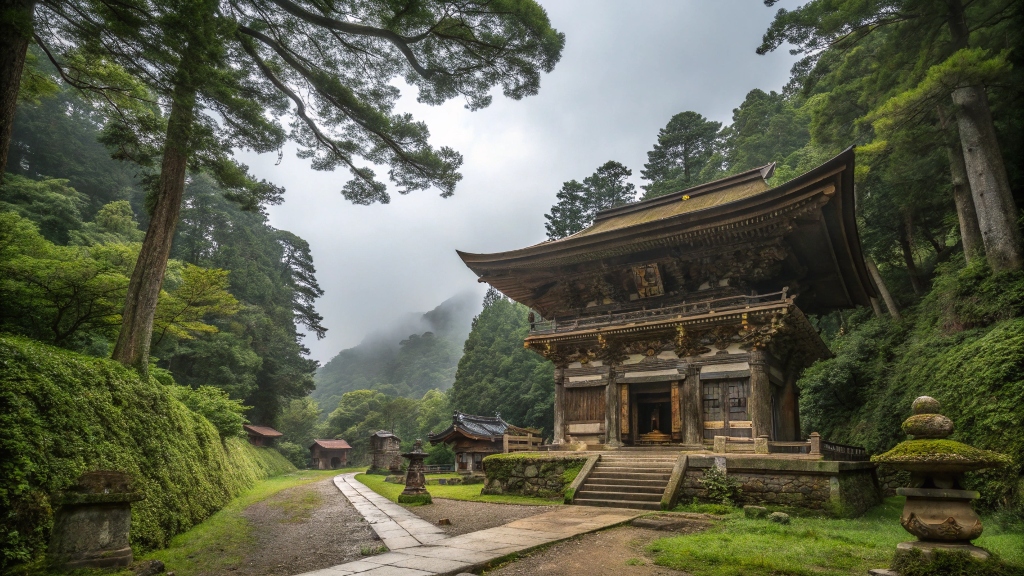
The allure of Japan’s major temples is undeniable, but their popularity often comes with bustling crowds, making quiet reflection a challenge. By seeking out less-visited sites, you unlock several benefits:
- Authenticity: Experience a more genuine side of Japanese culture and spirituality, away from the mass tourism infrastructure.
- Tranquility: Discover peaceful havens where you can truly connect with the serene atmosphere and engage in mindful contemplation.
- Unique Stories: Uncover fascinating local histories, legends, and architectural styles that often go unnoticed in the mainstream.
- Support Local Communities: Your visit can directly contribute to the preservation and livelihood of these less-funded, yet equally significant, cultural treasures.
- Sustainable Travel: By diversifying your itinerary, you help alleviate the pressure on overcrowded sites, promoting a more balanced and sustainable tourism ecosystem.
A Journey into Serenity: Hidden Temple Highlights
Here are some off-the-beaten-path temples that promise a truly unique and enriching experience:
-
Otagi Nenbutsu-ji (Kyoto Prefecture): The Thousand Rakan’s Smile
While Kyoto is synonymous with grand temples, Otagi Nenbutsu-ji offers a delightfully quirky and deeply moving alternative. Tucked away in the western Arashiyama hills, this temple is famous for its collection of over 1,200 rakan (disciples of Buddha) statues, each carved by amateur sculptors under the guidance of the temple’s former head priest.
The rakan, with their individual expressions ranging from joyful laughter to thoughtful contemplation, create a whimsical and almost surreal atmosphere. Walking among them feels like stepping into a peaceful, stone-laden conversation. The moss-covered statues, some adorned with hats or scarves left by visitors, exude a humble charm. This is a place where you can spend hours simply observing, letting your imagination wander, and feeling a unique connection to the spiritual artistry.
- Unique Feature: The sheer number and individuality of the rakan statues.
- Best Time to Visit: Early morning or late afternoon for optimal tranquility and soft light.
- Getting There: A bus from Arashiyama Bamboo Grove or a pleasant uphill walk.
-
Adashino Nenbutsu-ji (Kyoto Prefecture): A Sea of Stone Buddhas
Just a short walk from Otagi Nenbutsu-ji, Adashino Nenbutsu-ji offers a more somber, yet equally profound, experience. This temple is a poignant memorial to the souls of the deceased, with thousands of stone Buddhas and pagodas erected over centuries to commemorate those who died without proper graves.
The atmosphere here is hushed and contemplative, particularly in the bamboo grove where the countless stone figures stand in silent vigil. It’s a powerful reminder of life’s impermanence and a place for quiet reflection on the cycles of existence. The annual Sento Kuyo ceremony in August, when thousands of candles are lit among the statues, is a particularly moving spectacle.
- Unique Feature: A profound sense of history and commemoration amidst a tranquil setting.
- Best Time to Visit: During the Sento Kuyo festival for a unique spiritual experience, or any time for quiet reflection.
- Getting There: Easily accessible on foot from Otagi Nenbutsu-ji.
-
Myoryuji Temple (Ishikawa Prefecture): The Ninja Temple of Kanazawa
Venturing beyond Kyoto, Myoryuji Temple, famously known as the “Ninja Temple,” in Kanazawa offers a thrilling and intriguing departure from traditional temple visits. While not truly a ninja hideout, its intricate design, hidden staircases, secret rooms, trapdoors, and defensive mechanisms were built to protect against intruders and provide escape routes during feudal times.
Originally built as a Buddhist temple, its labyrinthine structure served a dual purpose in an era of political instability. Visitors can only explore with a guided tour (reservations highly recommended), which adds to the mystery and excitement. Unraveling the temple’s secrets, from its “soundboards” to its emergency escape routes, is a fascinating journey into Japan’s Edo-period ingenuity.
- Unique Feature: Its defensive architecture and maze-like interior.
- Best Time to Visit: Year-round, but booking in advance is crucial.
- Getting There: A short bus ride from Kanazawa Station.
-
Nanzoin Temple (Fukuoka Prefecture): Japan’s Reclining Buddha
Hidden in the quiet hills just outside Fukuoka City, Nanzoin Temple is a truly remarkable site, home to one of the world’s largest bronze statues: a colossal reclining Buddha. This magnificent statue, depicting Buddha entering Nirvana, stretches an astounding 41 meters long and 11 meters high.
The sheer scale of the Daibutsu (Great Buddha) is awe-inspiring, but what makes Nanzoin particularly special is its serene and uncrowded atmosphere. Unlike more famous Buddha statues, you can approach this one closely, marvel at its intricate details, and feel a sense of profound peace. The temple grounds also feature various other statues, a charming waterfall, and a bridge with a “xylophone” railing that plays melodies as you walk.
- Unique Feature: Home to the world’s largest bronze reclining Buddha.
- Best Time to Visit: Any time of year for a peaceful and impressive experience.
- Getting There: A short train ride from Hakata Station in Fukuoka.
-
Risshaku-ji Temple (Yamagata Prefecture): Yamadera’s Mountain Ascent
For those seeking a spiritual journey combined with a physical challenge and breathtaking views, Risshaku-ji, commonly known as Yamadera (“Mountain Temple”), in Yamagata Prefecture is an unforgettable destination. Perched on a steep mountainside, the temple complex requires a climb of over a thousand stone steps.
As you ascend, you’ll pass numerous smaller halls, rock carvings, and ancient cedar trees, each offering a moment of quiet contemplation. The reward at the top is spectacular: panoramic views of the surrounding valleys and mountains, and the sense of accomplishment from having completed a sacred pilgrimage. The temple’s origins date back to the 9th century, and its remote location has preserved a profound sense of history and spirituality.
- Unique Feature: The challenging yet rewarding ascent, culminating in stunning views and ancient temple structures.
- Best Time to Visit: Spring for fresh greenery, autumn for vibrant foliage, or winter for a snowy wonderland.
- Getting There: A short walk from Yamadera Station.
-
Honenin Temple (Kyoto Prefecture): A Secluded Oasis
Even within Kyoto, it’s possible to find tranquil retreats. Honenin Temple, located near the famous Philosopher’s Path, is a small, serene temple that often gets overlooked by tourists. Its main draw is its exquisite moss garden, beautifully maintained and offering a verdant oasis of calm.
Honenin is known for its two distinctive sand gardens (Byakusadan), which are raked into intricate patterns that change with the seasons, often depicting waves or natural elements. The temple exudes a quiet elegance, inviting visitors to slow down, breathe deeply, and simply appreciate the beauty of nature and meticulous craftsmanship.
- Unique Feature: Beautiful moss gardens and unique sand gardens.
- Best Time to Visit: Spring and autumn for seasonal beauty, or any time for a quiet escape.
- Getting There: A short walk from the Philosopher’s Path.
Embracing Sustainable Exploration
When venturing to these hidden gems, it’s crucial to practice sustainable tourism. Here’s how you can be a responsible traveler:
- Respect Sacred Sites: Remember that these are places of worship. Dress modestly, speak in hushed tones, remove your shoes when entering temple buildings, and refrain from taking photos where prohibited.
- Support Local Businesses: Choose local guesthouses, restaurants, and shops. This helps distribute tourism revenue more equitably and preserves local culture.
- Minimize Your Footprint: Dispose of waste properly, conserve water and energy, and stick to marked paths to protect natural environments.
- Learn Basic Etiquette: Familiarize yourself with basic Japanese phrases and cultural norms. A simple “arigato gozaimasu” (thank you very much) goes a long way.
- Travel During Off-Peak Seasons: If possible, consider visiting during shoulder seasons (late spring, early autumn) or off-peak months to avoid crowds and reduce pressure on the sites.
- Research Transportation: Utilize public transport where possible. Many of these temples are accessible by local trains and buses, offering a more authentic travel experience.
Read More Also: History of Taichung’s Cultural and Natural Landmarks
Conclusion: A Deeper Connection to Japan
While Japan’s grand and famous temples undoubtedly offer magnificent sights, the true magic of its spiritual landscape often lies in its hidden corners. Venturing off the beaten path to discover these lesser-known temples provides an unparalleled opportunity for cultural immersion, quiet contemplation, and a deeper connection to the heart and soul of Japan.
These serene sanctuaries, each with its own unique story and charm, invite you to step away from the crowds and experience a side of Japan that few travelers get to witness. By embracing sustainable practices, you can ensure that these invaluable spiritual and cultural treasures remain preserved for generations to come, offering their tranquil beauty and profound wisdom to all who seek it. So, pack your bags, open your mind, and prepare to unveil the hidden temple gems of Japan. Your journey into serenity awaits.