
Mass tourism has transformed popular destinations into crowded, impersonal experiences. Travelers increasingly seek places offering authentic connections and memorable encounters. Intimate destinations provide opportunities to engage deeply with local culture, natural beauty, and unique communities.
This guide explores exceptional travel destinations that prioritize quality over quantity. These locations offer personal experiences, meaningful interactions, and the space to truly absorb your surroundings without fighting through tourist hordes.
Understanding What Makes a Destination Feel Intimate
Intimate destinations share common characteristics distinguishing them from mainstream attractions. Small scale creates opportunities for genuine interactions with locals and fellow travelers. Additionally, limited tourist infrastructure often means more authentic cultural experiences.
Personal destinations allow travelers to move at their own pace without crowds dictating schedules. You can linger at cafes, explore hidden corners, and develop relationships with community members. Therefore, the journey becomes transformative rather than transactional.
Accessibility plays a role in maintaining intimacy. Destinations requiring effort to reach naturally limit visitor numbers. Remote locations, car-free islands, and places without major airports preserve their special character through selective tourism.
Faroe Islands: Nordic Solitude and Natural Drama
The Faroe Islands offer dramatic landscapes without Iceland’s tourist crowds. These 18 volcanic islands between Norway and Iceland host fewer than 55,000 residents. Visitors experience authentic Nordic culture amid stunning fjords, waterfalls, and seabird colonies.
Grass-roofed villages cling to mountainsides above churning seas. Hiking trails traverse landscapes that feel untouched by modern development. Moreover, the islands’ remote location means tourism remains manageable and sustainable.
Local experiences include visiting family-run wool workshops and attending intimate concerts in village churches. Faroese hospitality creates genuine connections between visitors and residents. Additionally, limited accommodation options naturally restrict tourist numbers.
Weather unpredictability adds adventure to Faroe Islands visits. Four seasons can occur in single days, creating ever-changing atmospheric conditions. However, this variability keeps crowds minimal and experiences authentic.
Matera, Italy: Ancient Cave Dwellings and Timeless Charm
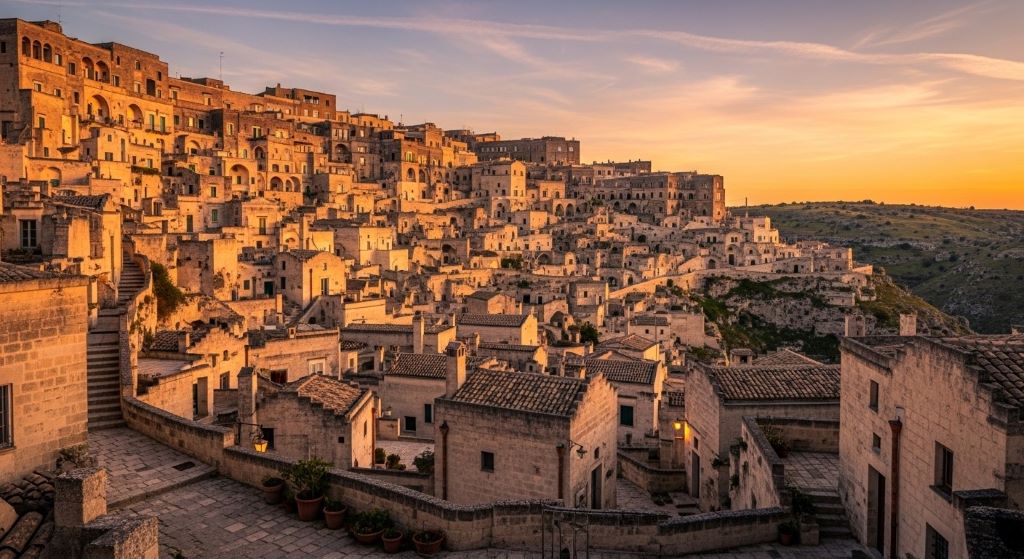
Matera’s sassi districts feature ancient cave dwellings carved into limestone cliffs. This UNESCO World Heritage site in southern Italy offers intimate exploration of human history. Narrow alleyways and stone staircases connect cave homes transformed into boutique hotels and restaurants.
Unlike crowded Tuscan towns, Matera maintains authentic local life alongside tourism. Residents still inhabit traditional neighborhoods, creating genuine community atmosphere. Therefore, visitors experience living history rather than museum-like preservation.
Small-scale tourism means personalized experiences at family-owned establishments. Cave restaurants serve regional cuisine with owners explaining traditional recipes. Artisan workshops welcome visitors to observe ancient crafts still practiced today.
Evening passeggiatas through sassi streets reveal Matera’s magical character. Golden light illuminates stone facades while locals gather in neighborhood piazzas. Additionally, the town’s compact size allows thorough exploration without feeling rushed.
Slovenia’s Soča Valley: Emerald Waters and Alpine Peace
The Soča Valley showcases emerald rivers winding through Julian Alps without Austria’s tourist density. This northwestern Slovenian region offers outdoor adventures in pristine natural settings. Crystal-clear waters provide kayaking, rafting, and fishing opportunities in uncrowded conditions.
Charming villages like Kobarid and Bovec serve as intimate base camps. Family-run guesthouses offer home-cooked meals featuring local ingredients. Moreover, owners often guide guests to hidden swimming holes and secret viewpoints.
Historical sites including World War I battlefields add depth to natural beauty. The Kobarid Museum provides moving context for valley history through personal stories. Therefore, visitors gain understanding beyond surface-level tourism.
Hiking trails range from gentle riverside walks to challenging mountain ascents. Most routes remain blissfully empty even during summer months. Additionally, the valley’s length allows discovering isolated spots away from even minimal tourism.
According to Condé Nast Traveler, Slovenia combines natural beauty with authentic experiences while remaining relatively undiscovered by mass tourism.
Colonia del Sacramento, Uruguay: Colonial Charm Across the River
This Portuguese colonial town sits across from Buenos Aires but feels worlds apart. Cobblestone streets, colorful facades, and flowering bougainvillea create romantic atmosphere. Additionally, Colonia’s compact historic quarter invites leisurely exploration without tour group chaos.
Weekend visitors from Buenos Aires keep the town lively without overwhelming local character. Midweek visits offer even more tranquil experiences. Small hotels occupy restored colonial buildings, providing intimate accommodations steps from attractions.
River walks along Río de la Plata showcase stunning sunsets over endless water. Locals gather at waterfront cafes, welcoming conversation with curious travelers. Therefore, meaningful exchanges happen naturally in relaxed settings.
Antique markets, artist studios, and family restaurants fill historic buildings. Owners share stories about their crafts, family histories, and recommendations. Moreover, the town’s size ensures you’ll encounter familiar faces creating community feeling.
Lofoten Islands, Norway: Arctic Beauty and Fishing Village Life
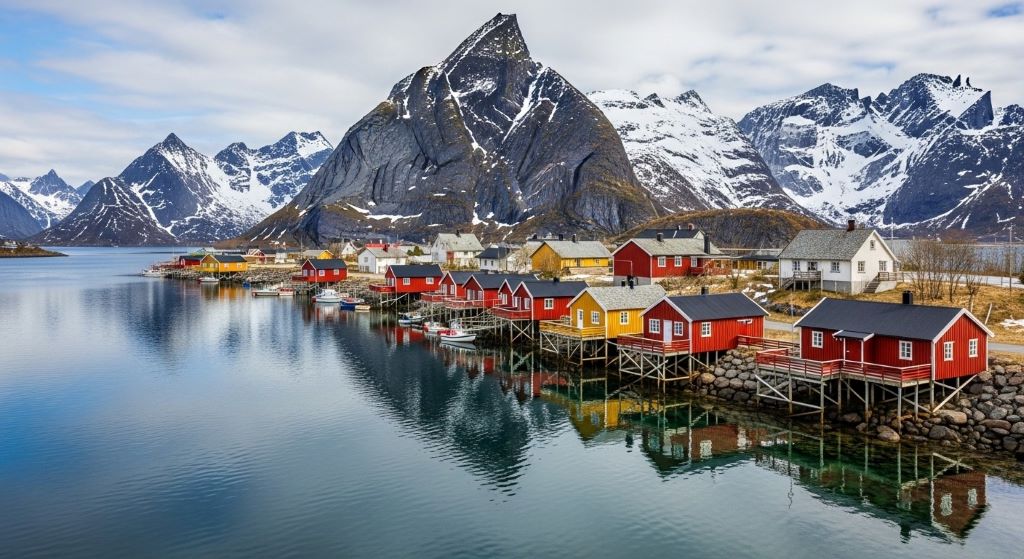
Lofoten’s dramatic peaks rising from Arctic waters create breathtaking scenery. Traditional red fishing cabins called rorbuer offer intimate accommodation along fjord edges. These remote Norwegian islands maintain authentic fishing culture despite growing tourism awareness.
Small villages provide bases for outdoor exploration without resort development. Local fishermen still practice traditional methods, welcoming visitors to observe their work. Additionally, family-run restaurants serve fresh seafood caught that morning.
Summer’s midnight sun allows extended exploration of hiking trails and beaches. Winter brings Northern Lights dancing over snow-covered mountains. However, both seasons maintain intimate atmosphere due to limited infrastructure.
Photography opportunities abound without competing for positions with crowds. Iconic locations like Reine and Hamnøy remain accessible and peaceful. Therefore, visitors capture personal moments rather than recreating Instagram clichés.
Gjirokastër, Albania: Ottoman Heritage in Mountain Setting
This stone-built city cascades down Albanian mountainsides preserving Ottoman architecture. Narrow streets connect historic houses with distinctive stone roofs and wooden balconies. Gjirokastër offers authentic Balkans experiences without tourist commercialization found elsewhere.
Local families operate guesthouses providing home-cooked meals and personal hospitality. Hosts share family histories, recommend hidden sites, and facilitate genuine cultural exchange. Moreover, affordable prices allow extended stays deepening connections.
The imposing castle overlooks valley and mountains providing panoramic views. Inside, museums document local history through personal artifacts and photographs. Additionally, the castle hosts intimate concerts during summer festivals.
Traditional craft workshops still operate throughout the old town. Artisans practice silversmithing, woodworking, and textile arts using ancestral techniques. Therefore, visitors witness living traditions rather than tourist demonstrations.
Luang Prabang, Laos: Spiritual Center and French Colonial Elegance
This UNESCO World Heritage city blends Buddhist temples with French colonial architecture. Luang Prabang maintains tranquil atmosphere despite increasing tourism. Early morning alms-giving ceremonies continue as spiritual practice rather than tourist spectacle.
Small-scale guesthouses and boutique hotels occupy converted colonial villas and traditional houses. Owners provide personalized service including arranging authentic local experiences. Additionally, the town’s walkable size encourages exploration without vehicular transportation.
Mekong and Nam Khan rivers frame the peninsula creating natural boundaries. Quiet riverside cafes offer contemplative spaces for journaling or conversation. Therefore, the pace naturally slows allowing mindful travel experiences.
Cooking classes, temple stays, and artisan workshops happen in intimate settings. Small group sizes ensure personal attention and meaningful interaction. Moreover, proceeds often support community development and cultural preservation.
According to The New York Times, Luang Prabang successfully balances tourism growth with cultural authenticity through community-led initiatives.
San Miguel de Allende, Mexico: Colonial Art Haven
This central Mexican city attracts artists, writers, and cultural enthusiasts. Colonial architecture, art galleries, and rooftop restaurants create sophisticated yet intimate atmosphere. Moreover, Mexican authenticity persists despite expatriate presence.
Small hotels occupy restored colonial mansions with interior courtyards. Personalized service includes arranging private art studio visits and cooking lessons. Additionally, rooftop terraces provide intimate sunset viewing away from street activity.
Neighborhood markets maintain local character where residents shop daily. Food stalls serve regional specialties at communal tables encouraging interaction. Therefore, visitors experience Mexican life beyond tourist zones.
Art walks, language exchanges, and cultural events happen throughout town. Small venues ensure close encounters with performers and artists. Moreover, the creative community welcomes newcomers into social circles.
Visiting During Shoulder Seasons for Maximum Intimacy
Timing significantly impacts destination intimacy levels. Shoulder seasons offer pleasant weather with minimal crowds. Additionally, local businesses provide more attentive service without high-season overwhelm.
Spring and fall typically provide ideal conditions in most destinations. Temperatures remain comfortable while prices drop from peak levels. Therefore, budget-conscious travelers enjoy better value alongside better experiences.
Research specific destination patterns before booking. Some locations experience extreme seasonal differences affecting accessibility and services. However, slight inconveniences often bring rewards through solitude and authenticity.
Local festivals during shoulder periods offer cultural insights without tourist masses. Celebrations maintain traditional character when primarily attended by residents. Moreover, visitors become welcomed participants rather than outside observers.
Choosing Small-Scale Accommodations
Accommodation choice dramatically affects travel intimacy. Small hotels, guesthouses, and bed-and-breakfasts provide personal attention impossible at large resorts. Additionally, owners often become valuable resources for authentic recommendations.
Family-run establishments offer insights into local life and culture. Breakfast conversations reveal hidden gems and current community events. Therefore, accommodations become gateways to deeper destination understanding.
Boutique properties typically reflect local architectural styles and design traditions. Staying in historic buildings or traditional structures enhances cultural immersion. Moreover, these properties often employ local staff supporting community economies.
Avoid chains and international hotels that create identical experiences worldwide. Independent accommodations contribute to destination character and uniqueness. Additionally, they typically offer better value and more memorable stays.
Engaging Respectfully with Local Communities
Intimate destinations require responsible tourism protecting their special qualities. Respect local customs, traditions, and daily rhythms. Additionally, support businesses owned by community members rather than outside corporations.
Learn basic phrases in local languages showing respect and effort. Even simple greetings create positive connections with residents. Therefore, small linguistic efforts yield disproportionate goodwill.
Ask permission before photographing people, homes, or religious sites. Not everything should become social media content, especially in intimate settings. Moreover, some destinations specifically request photography limitations protecting community privacy.
Purchase directly from artisans and producers rather than intermediary shops. These transactions support traditional livelihoods while ensuring fair compensation. Additionally, direct purchases often include stories and context enhancing item meaning.
Conclusion
Intimate travel destinations offer antidotes to overtourism’s impersonal experiences. These special places prioritize authentic connections, cultural preservation, and meaningful encounters over mass appeal. Whether exploring Faroe Islands’ dramatic landscapes, Matera’s ancient caves, or Luang Prabang’s spiritual center, travelers discover transformative experiences impossible in crowded hotspots. Therefore, seeking intimate destinations benefits both visitors seeking authenticity and communities maintaining their unique character. The future of sustainable tourism lies in these personal, respectful, and deeply rewarding travel experiences.
Frequently Asked Questions
What defines an intimate travel destination?
Intimate destinations feature small scale, limited tourist infrastructure, and opportunities for genuine local interaction. They prioritize quality experiences over quantity of visitors, allowing travelers to connect deeply with culture, nature, and community without overwhelming crowds.
How can I find intimate destinations before they become crowded?
Research emerging destinations in travel publications focused on sustainable tourism. Look for places requiring effort to reach, lacking major airports, or recently recovering from outdated negative perceptions. Additionally, seek recommendations from travelers prioritizing authenticity over convenience.
Are intimate destinations more expensive than popular tourist spots?
Not necessarily. Many intimate destinations offer better value because they lack tourism inflation affecting famous locations. Small-scale accommodations and family-run restaurants typically charge less than resort areas. However, remote locations may have higher transportation costs.
How do I travel responsibly to intimate destinations?
Support locally-owned businesses, respect cultural norms, limit photography, and travel during shoulder seasons. Spend more days in fewer places rather than rushing through many destinations. Additionally, consider how your presence impacts communities and adjust behavior accordingly.
Can families with children enjoy intimate travel destinations?
Yes, many intimate destinations welcome families and provide enriching experiences for children. Small-scale settings often feel safer and more manageable than crowded tourist areas. However, research specific destinations for family-appropriate activities and accommodation options beforehand.
Related Topics:
Emergency Refill Options for Travelers Abroad
Olympic National Park Itinerary Plan