
Taichung’s cultural and natural landmarks is woven with influences from indigenous tribes, Qing dynasty settlers, Japanese colonial rule (1895–1945), and the Republic of China (ROC) era. Originally inhabited by Taiwanese Plains Aboriginal tribes such as the Atayal, Taokas, and Papora, the region saw significant development in the late Qing period when it was briefly designated as “Taiwan-fu,” the provincial capital (1887–1894). During Japanese rule, urban planning shaped modern Taichung, with landmarks like Taichung Park and the Taichung Train Station established in the early 20th century. These historical roots continue to influence the city’s cultural sites, many of which are preserved as national treasures.
Key Historical Sites
-
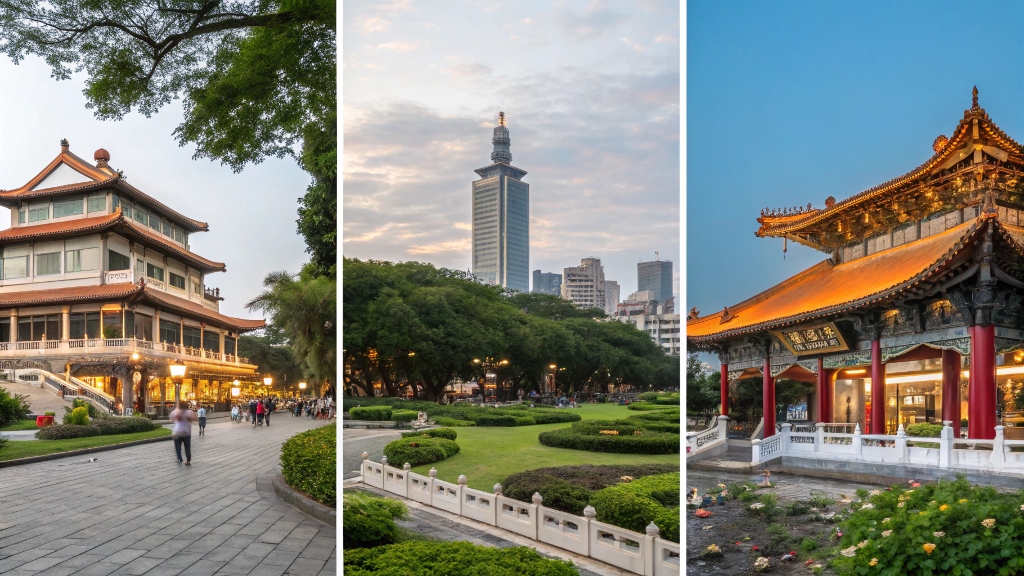
Taichung Park:
-
Established in 1903 during Japanese rule, it’s one of Taiwan’s oldest urban parks.
-
Features the iconic Hu Xin Pavilion, a symbol of Taichung’s early urban planning.
-
Historically a gathering place for locals, it reflects the city’s evolution from a provincial hub to a modern metropolis.
-
-
Wufeng Lin Family Garden:
-
A sprawling estate of one of Taiwan’s prominent families, showcasing Qing dynasty architecture.
-
Includes the Fuzhou opera stage, a rare cultural relic in the Grand Flower Hall.
-
Offers insights into the affluent lifestyle of 19th-century Taiwanese gentry.
-
-
Dajia Jenn Lann Temple:
-
Founded in 1730, this Mazu temple is a national cultural monument.
-
Hosts the annual Dajia Mazu Pilgrimage, one of Taiwan’s largest religious festivals, drawing thousands of devotees.
-
-
Yuemei Sugar Factory:
-
Built in 1909, this site preserves Taiwan’s industrial heritage with displays of sugar-making equipment and Qing dynasty relics.
-
Features nostalgic elements like old locomotives and cultural exhibits.
-
Current State of Taichung’s Attractions
Today, Taichung is a dynamic city that balances tradition with modernity. Its central location makes it a gateway to natural wonders like Sun Moon Lake and cultural hotspots like Rainbow Village. The city’s single MRT Green Line, operational since 2021, connects key districts but is limited in scope, so visitors often rely on YouBikes, taxis, or buses to explore its sprawling layout. Taichung’s attractions cater to diverse interests, from art and history to outdoor adventures and culinary experiences.
Top Cultural and Artistic Attractions
-
Rainbow Village:
-
A vibrant art installation created by veteran Huang Yung-Fu, who painted a military village to save it from demolition.
-
Attracts over 1 million visitors annually, known for its whimsical murals of animals, manga characters, and toys.
-
Best visited early morning to avoid crowds; located near the Taichung HSR station.
-
-
National Taichung Theater:
-
Designed by Japanese architect Toyo Ito, this architectural marvel opened in 2016 with its iconic curved walls.
-
Hosts world-class performances and features a free rooftop garden with panoramic city views.
-
A must-visit for architecture enthusiasts, included in many Instagram-focused tours.
-
-
National Taiwan Museum of Fine Arts:
-
Offers free admission, showcasing Taiwanese and international art through biennial exhibitions like the Asian Art Biennial.
-
Features a children’s picture book area and an audio-visual art hall, making it family-friendly.
-
Note: Check exhibition schedules, as some galleries may close during transitions.
-
-
CMP Block Museum of Arts:
-
An outdoor museum with contemporary sculptures and murals reflecting local culture.
-
Free to explore, ideal for leisurely walks and photography.
-
Natural and Outdoor Attractions
-
Gaomei Wetlands:
-
A scenic coastal area perfect for sunset views, bird watching, and cycling along wooden walkways.
-
Home to diverse wildlife, including small crabs and migratory birds.
-
Tip: Bring a jacket for windy evenings and visit during shoulder seasons for fewer crowds.
-
-
Sun Moon Lake:
-
A 1.5-hour bus ride from Taichung, this alpine lake is Taiwan’s largest body of water.
-
Offers boating, cycling, and visits to Thao indigenous villages and Wenwu Temple.
-
Ideal for day trips, with guided tours providing cultural context.
-
-
Dasyueshan National Forest Recreation Area:
-
Known for ancient trees, misty trails, and biodiversity, including the white-whiskered laughingthrush.
-
Best for experienced hikers; requires travel insurance due to challenging terrain.
-
-
Lavender Cottage:
-
Located in Xinshe District, features fragrant lavender fields and DIY workshops.
-
Accessible only by taxi or private car, offering a serene escape.
-
Culinary and Night Market Experiences
-
Feng Chia Night Market:
-
Taichung’s largest night market, renowned for dishes like stinky tofu, giant fried chicken cutlets, and bubble tea.
-
Bustling yet organized, with a wide range of trendy shops and street food stalls.
-
Tip: Visit on weekdays to avoid peak crowds; parking is challenging, so consider a taxi.
-
-
Yizhong Street Night Market:
-
Popular with students, offering affordable food like crispy crepes and bubble tea.
-
Less crowded than Feng Chia, ideal for a relaxed evening.
-
-
Chun Shui Tang Si Wei Original Store:
-
The birthplace of bubble tea, offering a historical dining experience.
-
Located near Taichung Station, perfect for pairing with city center exploration.
-
Key Concepts of Taichung’s Tourism
Taichung’s tourism revolves around three core pillars: cultural preservation, natural exploration, and culinary innovation. The city seamlessly integrates its historical sites with modern attractions, creating a unique identity that distinguishes it from Taipei or Kaohsiung. Its central location makes it a hub for day trips, while its welcoming atmosphere and pleasant climate (average 23°C) enhance its appeal as a year-round destination.
Core Themes
-
Cultural Fusion: Taichung blends indigenous, Qing, Japanese, and modern Taiwanese influences, evident in sites like the Lin Family Garden and National Taichung Theater.
-
Accessibility: While the MRT is limited, YouBikes and taxis make navigation manageable, with the Taichung HSR station connecting to Taipei in just 40 minutes.
-
Sustainability: Attractions like Gaomei Wetlands and Okuma Center emphasize eco-friendly practices, educating visitors on conservation.
Benefits of Visiting Taichung
Taichung offers a rich tapestry of experiences that cater to diverse travelers, from history buffs to nature enthusiasts and foodies.
Key Benefits
-
Diverse Attractions:
-
Cultural sites like Dajia Jenn Lann Temple and modern landmarks like the National Taichung Theater provide a balanced itinerary.
-
Natural spots like Sun Moon Lake and Gaomei Wetlands offer serene escapes within reach.
-
-
Affordability:
-
Free attractions like the National Taiwan Museum of Fine Arts and CMP Block Museum make Taichung budget-friendly.
-
Night markets offer delicious food at low prices, with dishes starting at TWD 50–100.
-
-
Cultural Immersion:
-
Festivals like the Taichung Jazz Festival (October) and Dajia Mazu Pilgrimage provide authentic cultural experiences.
-
Historical sites offer English translations and guided tours, enhancing accessibility for international visitors.
-
Challenges of Visiting Taichung
Despite its appeal, Taichung presents some challenges that travelers should anticipate to ensure a smooth experience.
Key Challenges
-
Transportation Limitations:
-
The single MRT Green Line doesn’t connect to Taichung Station, requiring reliance on buses or taxis for some attractions.
-
Remote sites like Lavender Cottage and Dasyueshan require private transport, adding to costs.
-
-
Crowds and Timing:
-
Popular spots like Rainbow Village and Feng Chia Night Market can be overcrowded, especially on weekends or during festivals.
-
Some attractions, like temples or museums, may have limited hours or close for renovations, necessitating advance planning.
-
-
Language Barriers:
-
While major sites offer English translations, smaller venues may not, requiring tools like Google Translate for navigation.
-
Future Trends in Taichung’s Tourism
Taichung’s tourism sector is poised for growth, with planned infrastructure improvements and a focus on sustainable and immersive experiences. As of 2025, the city is enhancing its appeal to international visitors while preserving its cultural and natural heritage.
Emerging Trends
-
MRT Expansion:
-
New MRT lines are planned to connect Taichung Station to the Green Line, improving accessibility by 2027.
-
-
Sustainable Tourism:
-
Initiatives like the Okuma Center emphasize eco-education, with a focus on sustainable fishing and conservation.
-
Cycle paths, such as the Tanya Shen Green Bikeway, are being expanded to promote eco-friendly exploration.
-
-
Cultural Innovation:
-
New attractions like the Taiwan National Museum of Comics (opened 2024) cater to niche interests, reflecting Taichung’s evolving cultural scene.
-
Events like the Taichung Jazz Festival are expected to grow, drawing more international artists and visitors.
-
Comparison Table: Key Attractions in Taichung
|
Attraction |
Type |
Location |
Cost |
Best For |
Accessibility |
|---|---|---|---|---|---|
|
Rainbow Village |
Cultural/Art |
Nantun District |
Free |
Photography, Art Lovers |
Taxi/YouBike from HSR station |
|
National Taichung Theater |
Cultural/Art |
Xitun District |
Varies (Free rooftop) |
Architecture, Performances |
MRT Green Line (Wenxin Yinghua) |
|
Gaomei Wetlands |
Natural |
Qingshui District |
Free |
Nature, Sunset Photography |
Bus/Taxi from city center |
|
Feng Chia Night Market |
Culinary |
Xitun District |
Varies |
Foodies, Nightlife |
MRT Green Line or taxi |
|
Sun Moon Lake |
Natural |
1.5 hr from Taichung |
Varies (Tours) |
Scenic Tours, Cycling |
Bus or guided tour from Taichung |
|
Dajia Jenn Lann Temple |
Historical |
Dajia District |
Free |
Cultural Immersion, Festivals |
Bus/Taxi from city center |
Review: A Traveler’s Perspective
Having explored Taichung in late 2024, I found it to be a city of delightful contrasts. The Rainbow Village was a highlight, its vibrant murals offering a stark contrast to the city’s urban sprawl. However, early morning visits are crucial to avoid the tourist rush. The National Taichung Theater impressed with its architectural grandeur, and the free rooftop garden was a serene escape. Feng Chia Night Market lived up to its reputation, with standout dishes like the giant fried chicken cutlet, though navigating the crowds required patience. Gaomei Wetlands offered breathtaking sunsets, but the lack of public transport made it less accessible without a taxi. The city’s historical sites, like the Wufeng Lin Family Garden, provided a deep dive into Taiwan’s past, though English signage was inconsistent in smaller venues. Overall, Taichung’s blend of culture, nature, and cuisine makes it a must-visit, but planning around transport and crowds is essential.
Frequently Asked Questions (FAQs)
-
What is the best time to visit Taichung?
-
Spring (March–May) and fall (September–November) offer pleasant weather and fewer crowds. Avoid Lunar New Year for less congestion at temples like Dajia Jenn Lann.
-
-
How many days are needed to explore Taichung?
-
Two to three days are ideal for city attractions and a day trip to Sun Moon Lake or Cingjing Farm. Longer stays suit those seeking local experiences.
-
-
Is Taichung suitable for families?
-
Yes, with family-friendly spots like the National Museum of Natural Science (interactive exhibits), Rainbow Village, and CMP Block Museum of Arts.
-
-
How do I get around Taichung?
-
Use YouBikes for city center exploration, taxis for remote sites, or the MRT Green Line for Xitun District. Buses connect to Sun Moon Lake and other areas.
-
-
Are there English-friendly attractions in Taichung?
-
Major sites like the 921 Earthquake Museum and National Museum of Natural Science offer English translations. Smaller venues may require translation apps.
-
Read More Also: How to Pack Light for a Two-Week Trip
Conclusions
Taichung’s cultural and natural landmarks, modernity, and natural beauty, making it a compelling stop on any Taiwan itinerary. Its historical sites, like the Wufeng Lin Family Garden and Dajia Jenn Lann Temple, offer a window into Taiwan’s cultural evolution, while contemporary attractions like the National Taichung Theater and Rainbow Village showcase its creative spirit. Natural gems like Gaomei Wetlands and Sun Moon Lake provide serene escapes, and night markets like Feng Chia deliver unforgettable culinary experiences. Despite challenges like limited public transport and occasional crowds, Taichung’s affordability, diversity, and welcoming vibe make it accessible to all travelers. With planned MRT expansions and a growing focus on sustainable tourism, Taichung is set to become an even more prominent destination by 2027. Whether you’re a history enthusiast, nature lover, or foodie, Taichung promises a rich and memorable experience.
The Education of Elon Musk: A Journey of Curiosity, Self-Directed Learning, and Impact