
Nestled at the heart of Central Asia, where the colossal Himalayas, Karakoram, Hindu Kush, Tian Shan, and Kunlun ranges converge, lie the Pamir Mountains – often referred to as “the Roof of the World.” This majestic range, primarily within Tajikistan’s Gorno-Badakhshan Autonomous Region (GBAO), offers an unparalleled trekking experience for those seeking raw, untamed beauty and profound cultural immersion. Far from the well-trodden paths of more famous mountain ranges, the Pamirs promise solitude, breathtaking vistas, and an encounter with a way of life that has remained largely unchanged for centuries.
But the Pamirs are not for the faint of heart. This is a land of extremes, where towering 7,000-meter peaks pierce the sky, glaciers carve ancient valleys, and remote villages cling precariously to mountainsides. To truly appreciate its grandeur and navigate its challenges, preparation, respect for nature, and an open mind are paramount. This comprehensive guide will equip you with the knowledge needed to embark on your unforgettable Pamir trekking adventure.
Why Trek the Pamirs? Beyond the Beaten Path
In an age of increasing global tourism, finding truly wild and authentic experiences can be a challenge. The Pamirs deliver on this promise in spades. Here’s what sets them apart:
- Untouched Wilderness: Vast expanses of pristine alpine landscapes, glacial lakes, and snow-capped peaks dominate the scenery. You’ll find yourself surrounded by nature on a scale rarely seen elsewhere, far from crowded trails and commercialized tourist traps.
- Cultural Immersion: The Pamiri people, with their unique customs, languages, and deep-rooted hospitality, are a highlight of any trip to this region. Homestays in remote villages offer a genuine glimpse into their daily lives, offering warmth, traditional cuisine, and unforgettable interactions.
- Diverse Landscapes: From the lush valleys of the western Pamirs to the vast, arid plateaus of the east, the landscape constantly transforms. Trekkers will encounter everything from verdant pastures dotted with yaks to moon-like glacial terrain and vibrant high-altitude wetlands.
- Historical Significance: The Pamirs sit along ancient Silk Road routes, with centuries-old trails connecting isolated communities. Traces of this rich history can be found in ancient fortresses and traditional architecture.
- Challenge and Achievement: The high altitudes and rugged terrain present a significant physical and mental challenge, offering a profound sense of accomplishment for those who successfully navigate its trails.
When to Go: Navigating the Pamir Seasons
The Pamirs experience extreme seasonal variations, making the timing of your trek crucial.
- Peak Season (June to September): This is generally considered the best time for trekking. Mountain passes are largely clear of snow, daytime temperatures are comfortably mild (15-25°C / 59-77°F in the mountains), and precipitation is minimal . This period also sees local shepherds moving their flocks to high pastures, making for excellent cultural encounters.
- Shoulder Seasons (Late May and Early October): These months offer fewer tourists and more moderate city temperatures. However, the weather in the mountains can be unpredictable, with an increased risk of early or late snowfall closing passes. Flexibility in your itinerary is essential if traveling during these times.
- Winter (October to February): Most high mountain passes are inaccessible due to heavy snow, and temperatures can plummet to -30°C (-22°F) or lower in the high Pamirs. Winter trekking is a serious undertaking, requiring specialized equipment and extensive experience.
- Spring (Late March to June): High valleys and passes remain snow-clogged, and the risk of avalanches and rockfalls is at its highest. Lower altitude trekking can be rewarding as village fruit orchards blossom and winter wheat turns emerald green.
For high-altitude wilderness trekking, July to September is the most comfortable and reliable window.
Popular Trekking Routes: From Accessible to Ambitious
The Pamirs offer a range of trekking options, from gentle walks to multi-day expeditions. Here are some of the most popular and rewarding routes:
- The Wakhan Valley Trek: Following the Wakhan River, which forms a natural border with Afghanistan, this trek offers stunning views of the Hindu Kush and Karakoram. It passes through traditional Pamiri villages, allowing for rich cultural interactions and glimpses into ancient ways of life. This route is generally considered less challenging in terms of altitude compared to higher eastern Pamir treks.
- The Bartang Valley Trek: A more challenging route, the Bartang Valley carves through a deep gorge, offering dramatic views of the Pamir Mountains, including Peak Ismoil Somoni (formerly Peak Communism), Tajikistan’s highest point (7,495m). This trek involves wild terrain and river crossings.
- Pamir Highway Treks (with side excursions): While primarily a road trip, various sections of the Pamir Highway (M41) offer incredible opportunities for multi-day hikes. Routes like those from Bulunkul Lake to Barchidif Village (114km) or combining sections of the Western and Eastern Pamirs can be arranged. These treks often involve high-altitude plateaus and a chance to experience nomadic communities.
- Fann Mountains to Pamirs Combination: Some tours offer a combination of trekking in the lush Fann Mountains (north of the Pamirs) with a journey into the Pamirs themselves, providing a diverse experience of Tajikistan’s mountainous regions.
- Specific High-Altitude Treks: For experienced trekkers, routes to stunning alpine lakes like Lake Sarez (formed by a natural dam) or challenging passes like Ak-Baital Pass (4,655m) offer intense rewards.
It’s crucial to research each route thoroughly and match it to your fitness level and experience. Many routes involve significant altitude gain, and acclimatization is vital.
Essential Preparations for Your Pamir Trek
Trekking in the Pamirs requires careful planning and preparation.
- Permits and Visas:
- Tajikistan Visa: Most nationalities can obtain an e-Visa online for stays up to 45 days.
- GBAO Permit: A special permit is required to enter the Gorno-Badakhshan Autonomous Region (GBAO), which covers the Tajik Pamirs. This can usually be obtained online alongside your e-Visa for an additional fee (around $20 USD). It’s advisable to have multiple copies of your visa and GBAO permit for checkpoints.
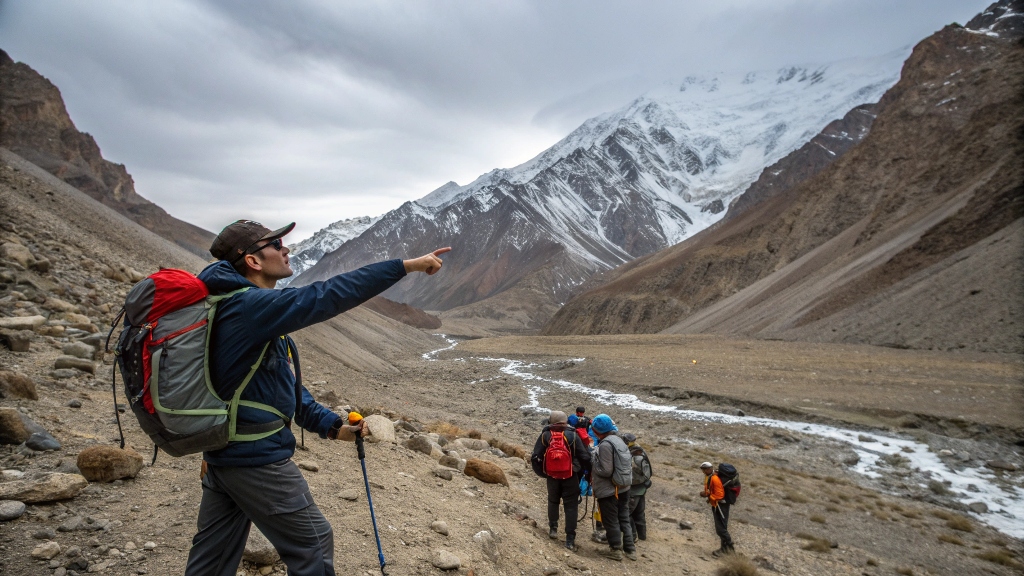
- Guides and Porters: While independent trekking is possible for experienced individuals, hiring local guides and porters (or arranging support horses/donkeys for luggage) is highly recommended. Not only do guides provide invaluable local knowledge, navigate complex terrain.
- Costs: The cost of a Pamir trek varies significantly depending on duration, group size, and whether you opt for a fully guided tour or independent travel. Transportation (often 4×4 vehicles with drivers) is typically the most significant expense due to fuel costs and vehicle wear and tear. Expect prices for guided tours to range from $2000-$4000+ for multi-week expeditions, often including transport, meals, accommodation, and permits.
- Accommodation: Expect basic but hospitable accommodation. In cities, you’ll find hotels and guesthouses. In villages, homestays are common, offering a unique cultural experience (sleeping on mattresses on the floor, shared facilities).
- Packing List: Given the extreme temperature variations and rugged terrain, a comprehensive packing list is crucial.
- Clothing: Waterproof and breathable jacket and pants, warm layers (fleece, down jacket), warm hat and gloves, moisture-wicking base layers, sturdy hiking boots with ankle support, camp shoes/sandals.
- Gear: Quality 3 or 4-season sleeping bag and mat, trekking poles, headlamp with extra batteries, water purification tablets/filter
- Essentials: Copies of all documents, cash (USD is widely accepted for exchange)
Cultural Encounters and Responsible Tourism
- Homestays: Embrace the warmth of Pamiri hospitality by staying in local homes. These experiences offer a genuine connection, delicious home-cooked meals (often plov, shashlik, or mantou), and insights into their unique way of life.
- Local Markets: If your itinerary allows, visit a local market, like the Saturday market in Ishkashim, which sees traders and visitors from both Tajikistan and Afghanistan. It’s a vibrant hub of cultural exchange, offering local handicrafts, spices, dried fruits, and fresh produce.
- Respectful Interaction:
- Dress Modestly: Especially when visiting villages or religious sites.
- Ask for Permission: Before taking photos of people.
- Learn Basic Phrases: A few words of Tajik or Russian (e.g., Salom for hello, Rahmat for thank you) will go a long way.
- Support Local Businesses: Buy souvenirs from local artisans and use local guides and services.
- Minimize Your Impact: “Leave No Trace” principles are crucial. Pack out everything you pack in,Use biodegradable soaps and limit water usage.
- Cultural Sensitivity: Be mindful of local customs, especially concerning gender interactions and religious practices.
- Bargaining: While common in markets, do so respectfully and with a smile.
Unique Flora and Fauna
Despite its rugged appearance, the Pamir ecosystem is home to fascinating wildlife and resilient flora.
- Wildlife: Keep an eye out for brown bears, wolves, marmots, and various bird species. For the truly fortunate, glimpses of the elusive snow leopard are possible, though rare. Conservation efforts are ongoing to protect these endangered species.
- Flora: While much of the higher altitudes appear barren, hidden alpine pastures burst with wildflowers, bees, and butterflies during the brief summer months. The Pamirs also boast a rich diversity of plant species, including those with medicinal properties used in traditional Pamiri remedies.
Safety and Challenges
Trekking in the Pamirs is an adventure that comes with inherent risks.
- Altitude Sickness (AMS): This is the most significant health concern. Acclimatize gradually, stay hydrated, and be aware of symptoms. Descend immediately if symptoms worsen. Carrying appropriate medication is advisable.
- Weather Extremes: Be prepared for sudden weather changes, including snow, strong winds, and extreme temperature fluctuations, even in summer.
- Remote Terrain: Trails can be challenging, unmarked, and involve river crossings. Route finding can be difficult without a guide.
- Limited Infrastructure: Access to medical facilities is extremely limited in remote areas. Ensure you have comprehensive travel insurance that covers emergency evacuation.
- Water Quality: Always purify your water.
- Border Areas: The Pamirs share borders with Afghanistan and China. The border crossing at Kyzyl Art Pass is open to foreigners but requires advance registration.
Read More Also: How to Pack Light for a Two-Week Trip
The Pamir Dream: A Journey of a Lifetime
Trekking in the Pamir Mountains is more than just a physical journey; it’s an expedition into the heart of an ancient land, a test of endurance, and a profound cultural exchange. From the raw majesty of its towering peaks to the genuine warmth of its people, the Pamirs offer an experience that will etch itself into your memory forever.