
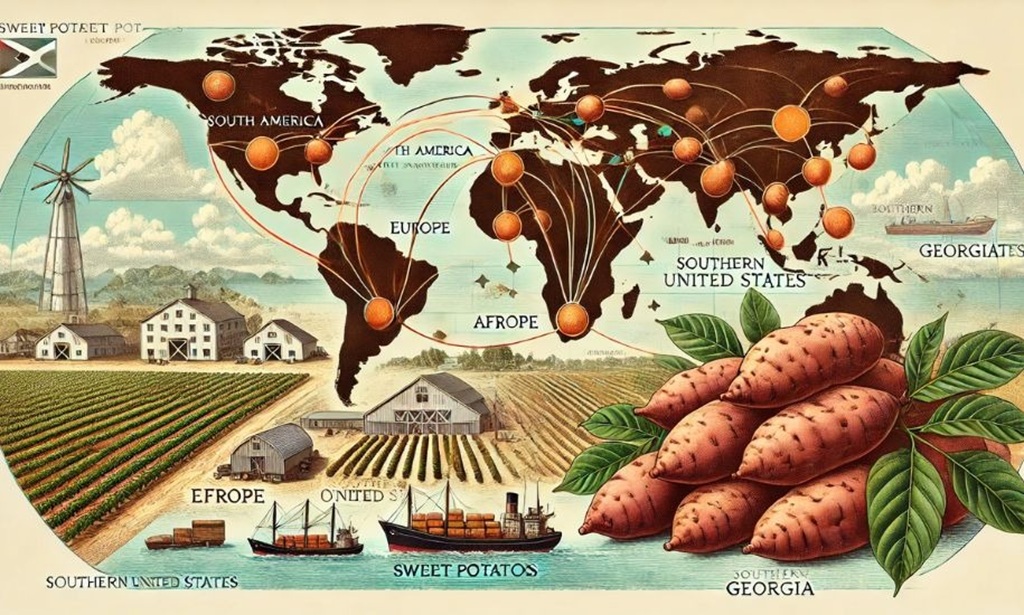
Ever wondered how far did sweet potatoes travel to reach your Thanksgiving table in Texas? The journey of this humble tuber is a fascinating tale of global trade, cultural exchange, and agricultural adaptation. Understanding the sweet potato’s path to the Lone Star State reveals a rich history that spans continents and centuries. Let’s delve into the remarkable voyage of this beloved root vegetable.
Tracing the Sweet Potato’s Origins: A South American Beginning
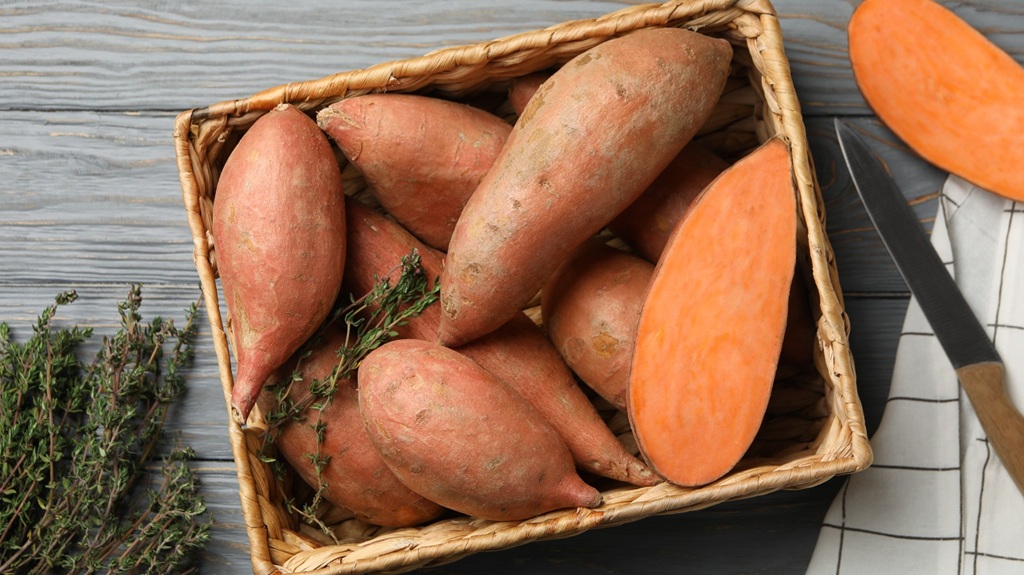
The story begins in South America, specifically in the region between the Orinoco River in Venezuela and the Peruvian Andes. Archaeological evidence suggests that sweet potatoes were domesticated there as early as 8000 BC. This makes them one of the oldest cultivated crops in the Americas.
- Ancient Origins: The sweet potato, Ipomoea batatas, is native to tropical regions of the Americas.
- Domestication: Indigenous populations played a crucial role in domesticating and propagating this crop.
- Early Spread: Through trade and migration, sweet potatoes spread throughout South and Central America.
The Polynesian Connection: A Pacific Voyage
Surprisingly, sweet potatoes also made their way to Polynesia long before European contact. Genetic and linguistic evidence points to a pre-Columbian exchange between South America and Polynesian islands. This suggests that Polynesian seafarers may have reached South America or vice versa.
- Polynesian Voyages: The Polynesians were skilled navigators, capable of long-distance sea travel.
- Genetic Evidence: DNA analysis has confirmed the presence of South American sweet potato varieties in Polynesia.
- Cultural Exchange: This exchange indicates a significant cultural and agricultural connection between distant lands.
The Columbian Exchange: Sweet Potatoes Reach the World
The arrival of Christopher Columbus in the Americas in 1492 marked a turning point. The Columbian Exchange, the widespread transfer of plants, animals, culture, and diseases between the Old World and the New World, facilitated the global spread of sweet potatoes.
- European Introduction: Spanish explorers brought sweet potatoes back to Europe, where they quickly gained popularity.
- Global Spread: From Europe, sweet potatoes spread to Africa, Asia, and other parts of the world.
- Agricultural Adaptation: The tuber’s adaptability to various climates and soils helped it thrive in diverse regions.
Sweet Potatoes in the American South: A Cultural Staple
Sweet potatoes arrived in North America through various pathways, including the slave trade and early colonial agriculture. They became a staple crop in the Southern United States, especially in areas with suitable climates.
- Southern Agriculture: The warm climate of the Southern states made them ideal for growing sweet potatoes.
- Culinary Traditions: Sweet potatoes became an integral part of Southern cuisine, playing a role in both savory and sweet dishes.
- Nutritional Importance: They provided essential nutrients and calories to enslaved populations and early settlers.
How Sweet Potatoes Arrived in Texas: A State’s Agricultural History
How far did sweet potatoes travel to Texas? The answer involves a combination of regional trade, agricultural expansion, and cultural diffusion. As settlers moved westward, they brought with them crops and agricultural practices from the Eastern states.
- Early Settlers: Pioneers migrating to Texas brought sweet potato slips and seeds.
- Regional Trade: Trade routes facilitated the exchange of agricultural products within the Southern states.
- Agricultural Development: Texas farmers recognized the value of sweet potatoes and began cultivating them on a larger scale.
Factors Influencing Sweet Potato Cultivation in Texas
Several factors contributed to the successful cultivation of sweet potatoes in Texas:
- Climate: Texas has a warm, humid climate in many regions, ideal for sweet potato growth.
- Soil: Sandy loam soils in parts of Texas provide excellent drainage, essential for sweet potato cultivation.
- Agricultural Practices: Texas farmers adopted and refined agricultural techniques for growing sweet potatoes.
- Market Demand: The growing demand for sweet potatoes in Texas and beyond spurred increased production.
Varieties of Sweet Potatoes Grown in Texas
Texas farmers cultivate a variety of sweet potato cultivars, each with unique characteristics:
- Beauregard: A popular variety known for its orange flesh and sweet flavor.
- Centennial: An older variety with a deep orange color and sweet taste.
- Garnet: A moist, sweet variety with a dark red skin and orange flesh.
- Japanese Sweet Potatoes: Known for purple skin and a drier, sweeter flesh.
The Modern Sweet Potato Industry in Texas
Today, sweet potatoes are an important part of Texas agriculture. Farmers use modern techniques to maximize yields and ensure quality. The sweet potato remains a beloved staple in Texas cuisine.
- Commercial Production: Texas has a thriving sweet potato industry, producing significant quantities for both local and national markets.
- Modern Techniques: Farmers use advanced irrigation, fertilization, and pest control methods.
- Culinary Versatility: Sweet potatoes continue to be a versatile ingredient in Texas cooking.
Nutritional Benefits of Sweet Potatoes
Sweet potatoes are a nutritional powerhouse, offering numerous health benefits:
- Rich in Vitamins: They are high in vitamin A, vitamin C, and B vitamins.
- Dietary Fiber: They provide a good source of dietary fiber, promoting digestive health.
- Antioxidants: They contain antioxidants that help protect against cell damage.
- Potassium: Sweet potatoes are a good source of potassium, which supports heart health.
Read More Also: How Far Did Sweet Potatoes Travel to Texas?
Conclusion: A Global Journey to Your Plate
How far did sweet potatoes travel?
The answer is thousands of miles, across oceans and continents. From their origins in South America to their widespread cultivation in Texas, sweet potatoes have a remarkable history. Their journey highlights the interconnectedness of cultures and the importance of agricultural exchange. By understanding this history, we gain a deeper appreciation for the food we enjoy.
Call to Action (CTA)
Ready to experience the rich history and delicious flavor of sweet potatoes? Try a new sweet potato recipe today! Share your favorite sweet potato dishes with us in the comments below and spread the word about this amazing vegetable. Whether baked, mashed, or fried, sweet potatoes are a tasty and nutritious addition to any meal. Explore your local farmers markets for fresh Texas grown sweet potatoes.