

Green heart of Madagascar, the “eighth continent,” is a land of unparalleled biodiversity, where 95% of its reptiles, 89% of its plant life, and 92% of its mammals exist nowhere else on Earth. From the iconic lemurs swinging through lush rainforests to the ancient baobabs standing sentinel in arid landscapes, this island nation is a living, breathing testament to evolution’s wildest dreams. Yet, this extraordinary natural heritage faces significant threats from deforestation, climate change, and unsustainable practices. For the conscious traveler, choosing eco-friendly accommodations in Madagascar isn’t just a trend; it’s a vital contribution to preserving this unique paradise for generations to come.
This article delves into the world of eco-friendly stays in Madagascar, guiding you through the principles of sustainable tourism, highlighting exemplary lodges and resorts, and offering practical tips to ensure your journey leaves a positive footprint.
The Urgency of Eco-Tourism in Madagascar
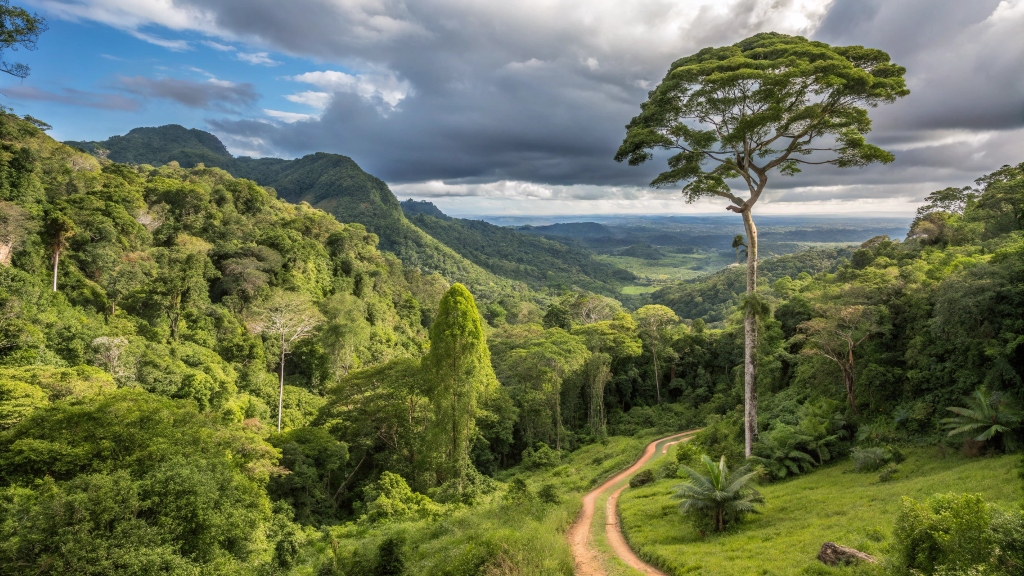
Madagascar’s ecological fragility is undeniable. Vast swathes of forest are lost annually, threatening countless endemic species with extinction. Climate change exacerbates these challenges, impacting delicate ecosystems and local livelihoods. In this context, tourism, if managed responsibly, can be a powerful force for good. Eco-tourism, at its core, aims to minimize negative environmental impacts, support local communities, and contribute directly to conservation efforts.
By choosing eco-friendly accommodations, you are directly investing in:
- Biodiversity Conservation: Many eco-lodges partner with conservation organizations, funding research, reforestation projects, and anti-poaching initiatives.
- Community Empowerment: These establishments often prioritize local employment, purchase goods and services from nearby communities, and support social development programs like schools and healthcare clinics.
- Environmental Protection: Eco-lodges typically employ sustainable practices such as renewable energy sources (solar power is increasingly common), efficient waste management, water conservation, and the use of biodegradable products.
- Raising Awareness: Staying at an eco-lodge often provides opportunities to learn about Madagascar’s environmental challenges and the efforts being made to address them, fostering a deeper appreciation for the island’s natural wonders.
What Makes an Accommodation Eco-Friendly?
It’s important to look beyond superficial “greenwashing” and identify genuine eco-friendly establishments. Here are key characteristics to consider:
- Energy Efficiency: Look for lodges that utilize solar panels, wind turbines, or other renewable energy sources. Minimal reliance on generators is a good sign.
- Water Management: Responsible lodges implement water-saving measures, such as rainwater harvesting, greywater recycling, and low-flow fixtures. They are also mindful of water scarcity in certain regions.
- Waste Reduction and Recycling: Effective waste management is crucial. Eco-lodges should have systems for composting, recycling, and minimizing single-use plastics.
- Local Sourcing: A commitment to sourcing food, building materials, and handicrafts locally supports the regional economy and reduces carbon footprint from transportation.
- Community Engagement: Look for evidence of direct benefits to local communities, such as employment opportunities, fair wages, training programs, and support for local schools or health initiatives.
- Conservation Programs: Many reputable eco-lodges actively participate in or fund conservation projects, such as reforestation, wildlife monitoring, or habitat restoration.
- Architectural Harmony: Eco-friendly lodges often integrate seamlessly with the natural landscape, using traditional building techniques and local materials to minimize visual impact.
- Environmental Education: Staff should be knowledgeable about local ecology and conservation, and guests may have opportunities to learn through guided tours, workshops, or presentations.
Exemplary Eco-Stays in Madagascar
While Madagascar’s eco-tourism infrastructure is still developing, several exceptional lodges and resorts are leading the way in sustainable practices. Here are a few examples that embody the spirit of responsible travel:
-
Masoala Forest Lodge (Masoala National Park):
Nestled deep within the pristine Masoala National Park on Madagascar’s northeastern coast, Masoala Forest Lodge is a prime example of an eco-friendly haven. Accessible primarily by boat, this remote lodge offers a truly immersive rainforest experience. Their commitment to sustainability is evident in every detail:
- Conservation Focus: The lodge actively supports rainforest conservation initiatives within the national park, working closely with local communities on reforestation and protecting endangered species.
- Eco-Conscious Design: Accommodations are thoughtfully designed to blend with the natural environment, using local materials and minimizing disruption to the forest.
- Community Partnership: They employ staff from surrounding villages and source fresh produce locally, ensuring economic benefits for the community.
- Unique Wildlife Encounters: Guests can enjoy guided walks through the rainforest, spotting lemurs, chameleons, and diverse birdlife, all while learning about the ecosystem from experienced local guides.
-
Princesse Bora Lodge & Spa (Sainte Marie Island):
Located on the picturesque Sainte Marie Island (Nosy Boraha), Princesse Bora Lodge & Spa combines luxury with a strong commitment to sustainability. This beautiful coastal retreat demonstrates that eco-tourism doesn’t mean sacrificing comfort.
- Renewable Energy: The lodge heavily relies on solar energy for its power needs, significantly reducing its carbon footprint.
- Organic Gardens: They cultivate organic gardens to provide fresh, healthy ingredients for their restaurant, minimizing transportation and supporting local agriculture.
- Waste Management: Princesse Bora implements robust waste management systems, including composting and responsible disposal practices.
- Local Projects: They actively support local community projects, contributing to education and healthcare initiatives on the island.
- Marine Conservation: Given its coastal location, the lodge emphasizes marine conservation, offering responsible whale watching tours (during season) and promoting awareness about protecting the delicate marine ecosystem.
-
Antsanitia Resort (Mahajanga):
Overlooking the tranquil estuary of the Morira River and the Mozambique Channel, Antsanitia Resort in the Boeny region is a 4-star eco-lodge that deeply integrates with the local fishing village of Antsanitia.
- Community Integration: The resort’s partnership with the AMADA association is a cornerstone of its responsible tourism model. This collaboration supports local education, healthcare, and environmental conservation initiatives.
- Sustainable Architecture: The lodge’s design thoughtfully respects its environment, offering a range of accommodations that blend comfort with a deep connection to nature.
- Local Sourcing: The restaurant and lounge bar celebrate Malagasy flavors by highlighting fresh, locally sourced ingredients.
- Lemur Preservation: Antsanitia Resort has an educational hut to raise visitors’ awareness about the plight of lemurs in the wild due to deforestation and the bushmeat trade, and they even have lemur families living on their estate.
- Eco-friendly Practices: The resort encourages guests to turn off air conditioning when leaving their rooms and emphasizes responsible water usage.
- Anja Community Reserve (Haute Matsiatra Region):
While not a lodge itself, the Anja Community Reserve deserves special mention as a shining example of community-based eco-tourism. This reserve, managed by the Anja Miray Association, showcases how local communities can lead conservation efforts while benefiting economically.
- Community-Led Conservation: Established in response to forest degradation, the reserve is a testament to the power of community action in protecting biodiversity, particularly the iconic ring-tailed lemurs.
- Direct Local Benefits: Ecotourism revenues directly fund community projects, including schools, health clinics, and environmental education. It also supports alternative livelihood projects like fish farming.
- Authentic Cultural Immersion: Visitors engage directly with the local Betsileo people, gaining insights into their traditions and the importance of conservation in their daily lives.
- Reforestation Efforts: The community actively reforests the area with native tree species, combating deforestation and restoring habitats.
Planning Your Eco-Friendly Journey to Madagascar
To ensure your trip to Madagascar is as responsible and impactful as possible, consider these tips:
- Research Thoroughly: Before booking, investigate the sustainability claims of accommodations and tour operators. Look for certifications or partnerships with reputable conservation organizations.
- Pack Light and Green: Minimize your luggage to reduce your carbon footprint. Opt for biodegradable toiletries and reef-safe sunscreen.
- Respect Wildlife: Maintain a respectful distance from animals and their habitats. Never feed wild animals or attempt to touch them. Choose tours that prioritize ethical wildlife viewing.
- Support Local Businesses: Buy souvenirs from local artisans, eat at locally-owned restaurants, and hire local guides. This ensures your money directly benefits the Malagasy people. Avoid purchasing items made from endangered species (e.g., tortoise shell, certain woods like rosewood and ebony, coral).
- Conserve Resources: Be mindful of your water and energy consumption. Turn off lights and air conditioning when leaving your room, and take shorter showers.
- Reduce Waste: Carry a reusable water bottle and avoid single-use plastics. Dispose of all litter properly.
- Be Culturally Sensitive: Learn a few basic Malagasy phrases. Ask permission before taking photos of people. Dress modestly when visiting villages or religious sites.
- Donate Responsibly: Instead of giving money or gifts directly to children (which can encourage begging), consider donating to reputable local charities or conservation projects that support children’s welfare, education, or environmental initiatives.
- Choose Responsible Transportation: Opt for local transport or carpooling when possible. In some areas, cycling can be an eco-friendly way to explore.
- Educate Yourself: Learn about Madagascar’s unique ecosystems, conservation challenges, and cultural nuances before and during your trip.
Read More Also: Wave Goodbye to Roaming Rip-offs: Your Ultimate Guide to Using eSIM Internationally Without Exorbitant Charges
The Future of Eco-Tourism in Madagascar
Madagascar’s government and numerous NGOs are increasingly recognizing the potential of sustainable tourism as a tool for both economic development and environmental protection. Initiatives are underway to strengthen infrastructure, diversify tourism products, and attract more responsible travelers.
Challenges remain, including the need for continued investment in infrastructure, balancing tourism growth with conservation, and addressing the impacts of climate change. However, with growing global awareness and a dedicated commitment from all stakeholders – including you, the traveler – Madagascar’s vibrant biodiversity can not only endure but thrive.
Your choice of an eco-friendly stay in Madagascar is more than just a booking; it’s a statement. It’s a commitment to protecting an irreplaceable natural heritage and supporting the communities who are its custodians. By traveling consciously, you become an active participant in the ongoing story of Madagascar’s remarkable preservation, ensuring that its lemurs continue to leap, its baobabs continue to stand tall, and its unique spirit inspires generations to come.