
Marrakech. The very name conjures images of vibrant souks, the dizzying energy of Djemaa el-Fna square, and an intoxicating aroma of spices. But beneath the surface of this imperial city lies a culinary landscape as rich and diverse as its history. For the intrepid traveler and the dedicated foodie, a culinary tour in Marrakech isn’t just about eating; it’s an immersive journey into the heart of Moroccan culture, a delicious unraveling of traditions, and an adventure for the senses.
In a city where food is intrinsically linked to hospitality, family, and celebration, navigating the bustling streets to find authentic flavors can be overwhelming. This is where culinary tours become your golden ticket. They offer a curated, insightful, and incredibly tasty pathway to discover Marrakech’s true gastronomic essence, taking you beyond the tourist traps and into the hidden gems cherished by locals.
Why Marrakech is a Food Lover’s Paradise
Moroccan cuisine is a testament to centuries of cross-cultural exchange, blending influences from Berber, Arab, Andalusian, and even French traditions. The result is a vibrant tapestry of flavors, where sweet meets savory, fresh herbs mingle with warming spices, and every dish tells a story.
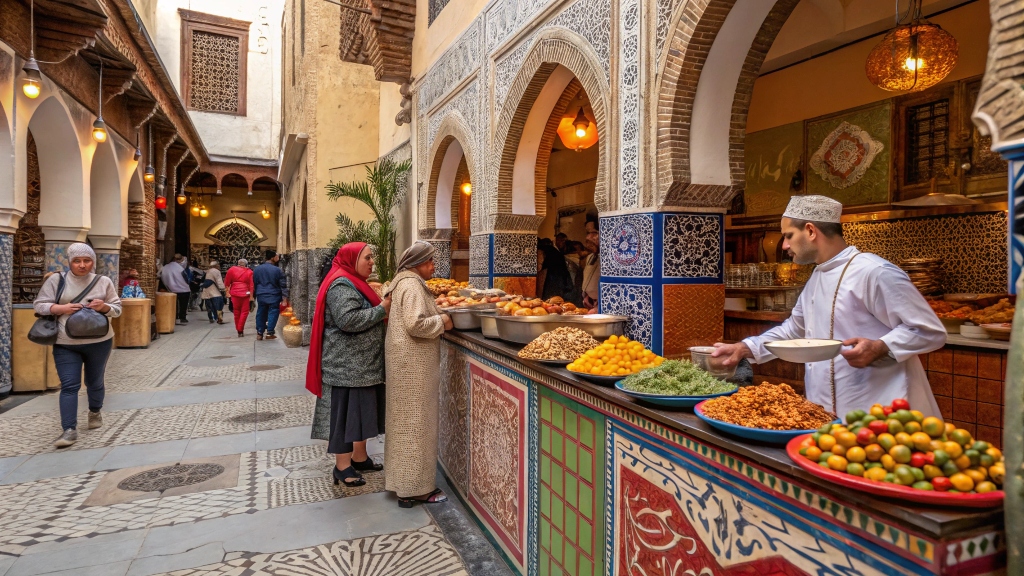
Marrakech, in particular, is a culinary epicenter. Its geographical location at the foot of the Atlas Mountains, coupled with its historical significance as a trading hub, has ensured a constant influx of diverse ingredients and culinary innovations. The city’s bustling markets, or souks, are a sensory overload in the best possible way, overflowing with mounds of colorful spices, glistening olives, aromatic preserved lemons, fresh produce, and an array of meats and pastries. It’s a place where you can witness the art of traditional cooking firsthand, from the slow simmering of a tagine to the rhythmic pounding of dough for khobz (Moroccan bread).
Beyond the Tagine: A Kaleidoscope of Flavors Awaits
While the tagine (a slow-cooked stew named after its conical clay pot) and couscous are undeniably iconic Moroccan dishes, a culinary tour in Marrakech will open your eyes and palate to a much broader spectrum of delights. Here’s a sneak peek at what you might discover:
- Street Food Symphony: Djemaa el-Fna, by night, transforms into a sprawling open-air restaurant. But a good food tour will guide you to the lesser-known, yet equally delicious, street food havens tucked away in the medina’s labyrinthine alleys. Imagine sinking your teeth into Tanjia, a melt-in-your-mouth lamb or beef stew slow-cooked for hours in earthenware pots buried in the embers of a hammam (public bath). Or savoring crispy Msemen, a flaky square pancake often served with honey or filled with savory mixtures of onions and spices. Don’t shy away from the more adventurous choices like Babbouche (snails in a fragrant, medicinal broth) or Mechoui (whole roasted lamb, so tender it falls off the bone), found in specific alleys dedicated to these specialties. And of course, the freshly squeezed juices – from vibrant orange to exotic pomegranate and avocado – are a refreshing antidote to the Moroccan heat.
- Savory Sensations: Beyond the ubiquitous tagine, explore dishes like Pastilla (also known as B’stilla), a magnificent sweet and savory pie made with delicate warqa pastry, traditionally filled with pigeon or chicken, almonds, and spices, then dusted with powdered sugar and cinnamon. Harira, a hearty and nutritious tomato-based soup with lentils, chickpeas, and sometimes meat, is a staple, especially during Ramadan. And for a taste of authentic local fare, seek out Kefta (minced meat skewers grilled over charcoal), often served with khobz for scooping up the flavorful juices.
- Sweet Endings and Sips: Moroccan desserts are a sweet indulgence. Chebakia, a flower-shaped, honey-soaked sesame cookie, is a popular treat. You’ll also encounter a variety of pastries, often infused with orange blossom water or almonds. And no culinary experience in Morocco is complete without the ritual of Thé à la Menthe (mint tea). This sweet, refreshing brew, poured with theatrical flair from a height, is a symbol of Moroccan hospitality and will be offered generously at every turn.
The Unbeatable Benefits of a Culinary Tour
While adventurous eaters might be tempted to explore on their own, a guided culinary tour offers invaluable advantages, transforming a simple meal into a profound cultural immersion:
- Local Expertise and Hidden Gems: Forget endless Googling and potentially questionable recommendations. A local food guide possesses an intimate knowledge of the city’s culinary landscape. They’ll lead you to authentic eateries and street food stalls that tourists often miss, revealing the true flavors beloved by Marrakchis. They know the vendors who prioritize quality, hygiene, and traditional preparation methods.
- Cultural Insights and Storytelling: Food in Morocco is deeply intertwined with its history, traditions, and social fabric. Your guide will go beyond just the ingredients, explaining the cultural significance of each dish, the stories behind its preparation, and the rituals associated with communal eating. You’ll learn about the dada (traditional Moroccan cook) who preserves ancient recipes, the role of spices in Moroccan medicine, and the communal ovens where neighbors bring their bread to be baked.
- Decoding the Souks: The souks are a vibrant, overwhelming maze. A food tour guide can help you navigate this sensory overload, explaining the different sections, the art of haggling (though typically your food tastings are pre-arranged), and pointing out unique ingredients you might otherwise overlook. You’ll gain a deeper appreciation for the sourcing of fresh produce and the vibrant spice trade.
- Safety and Comfort: Eating street food can sometimes be a concern for travelers. Reputable food tour operators prioritize hygiene and take you to trusted vendors, ensuring a safe and enjoyable experience. Furthermore, having a local guide can help you navigate crowded areas and avoid common tourist pitfalls.
- Hands-On Learning (Optional but Recommended!): Many culinary tours incorporate a cooking class, allowing you to not only taste but also create Moroccan dishes. Imagine visiting a local market with a chef, selecting fresh ingredients, and then learning to prepare a tagine or couscous from scratch in a traditional Moroccan kitchen. This hands-on experience provides a deeper understanding of the cuisine and practical skills to recreate the magic back home.
- Meeting Locals: Food tours often involve interactions with local vendors and artisans, providing authentic glimpses into daily life and fostering meaningful connections. You might find yourself sharing a laugh with a tea vendor or observing a baker expertly shaping khobz.
Choosing Your Perfect Culinary Adventure
Marrakech offers a variety of culinary tours, catering to different interests and appetites. When selecting a tour, consider:
- Focus: Are you primarily interested in street food, fine dining, cooking classes, or a blend of all?
- Duration: Tours can range from a few hours to full-day experiences, sometimes including market visits or cooking workshops.
- Group Size: Small group tours often offer a more intimate and personalized experience.
- Dietary Restrictions: If you have allergies or dietary preferences (vegetarian, vegan, gluten-free), inquire in advance to ensure the tour can accommodate your needs. While Moroccan cuisine often features meat, many tours are becoming more adaptable to plant-based diets.
- Reviews and Reputation: Look for tours with excellent reviews, particularly those highlighting the guide’s knowledge, friendliness, and the quality of the food.
Beyond the Tour: Extending Your Culinary Exploration
Even after your guided tour concludes, the lessons learned and the flavors experienced will undoubtedly inspire further culinary exploration. Seek out:
- Local Markets: Revisit the souks with newfound confidence, perhaps to purchase some of the exotic spices you encountered – saffron, cumin, turmeric, ginger, paprika, and the renowned Ras el Hanout, a complex blend of dozens of spices, are excellent souvenirs.
- Cooking Schools: If you didn’t include a cooking class in your tour, consider booking one to deepen your understanding of Moroccan culinary techniques. Many riads and specialized schools offer classes.
- Rooftop Restaurants: Enjoy a meal with a view! Many restaurants in the Medina offer stunning rooftop terraces where you can savor traditional dishes while watching the sunset over the bustling city.
- Traditional Bakeries: Follow your nose to find a local bakery, where you can witness the communal baking of khobz and perhaps enjoy a fresh msemen with mint tea.
Read More Also: Best Way to Find Authentic Street Food in Bangkok Safely
Embrace the Flavorful Journey
Marrakech is a city that engages all the senses, and its food scene is undeniably one of its most captivating aspects. A culinary tour provides an unparalleled opportunity to delve into this rich gastronomic heritage, offering a truly authentic and unforgettable experience. From the bustling energy of Djemaa el-Fna to the hidden alleyways brimming with local delights, each bite will tell a story, each aroma will transport you, and each interaction will deepen your connection to the vibrant soul of this magical city. So, pack your appetite, open your mind, and prepare to embark on a culinary adventure of a lifetime in Marrakech!