
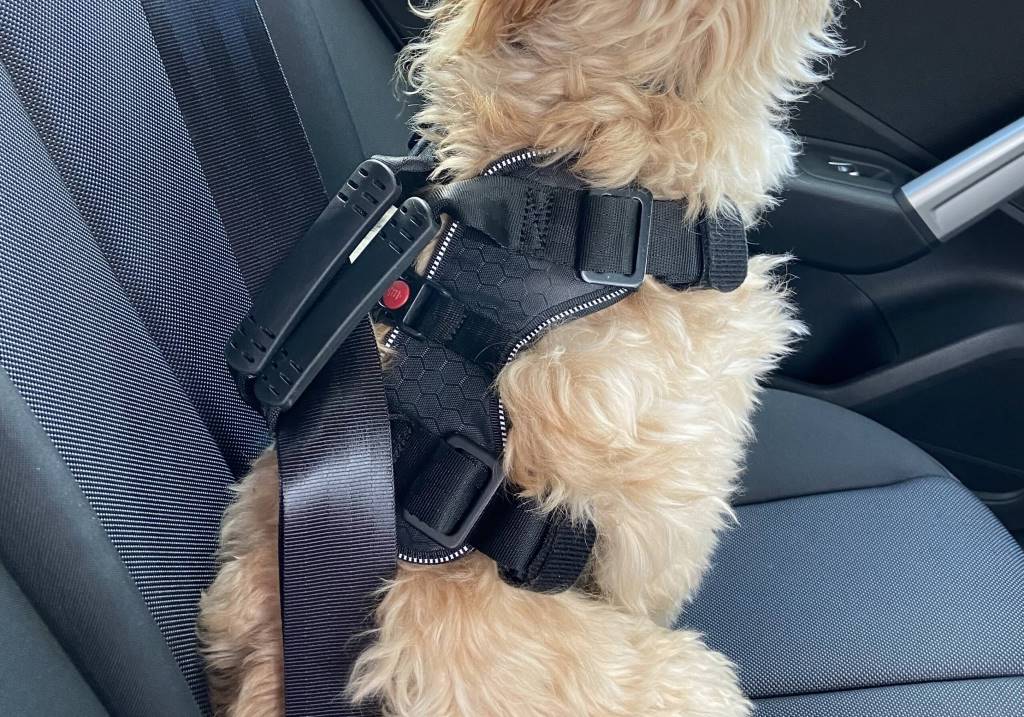
Traveling with your dog in Spain is a joy. The open road, your canine companion by your side—it’s a recipe for adventure. But safety comes first. Unrestrained animals in cars pose risks to pets, drivers, and passengers. In Spain, strict laws govern pet transport. The General Directorate of Traffic reports over 10% of accidents involve distractions, some caused by pets. The Spanish Royal Automobile Club (RACE) study highlights that a loose dog can become a projectile in a crash, endangering lives. This guide shares the best ways to restrain your dog in a car in Spain, ensuring safety, compliance, and peace of mind.
Why Restraining Your Dog in a Car Matters
Unrestrained dogs in vehicles are dangerous. A sudden stop can throw your pet forward, causing injury. Distractions from a loose dog can lead to accidents. Spain’s laws, like Article 13 of the Law on Traffic, Circulation of Motor Vehicles, and Road Safety, mandate proper restraint for pets. Fines for non-compliance can reach €200. Beyond legal requirements, restraining your dog protects their well-being. The Center for Pet Safety emphasizes that crash-tested dog harnesses reduce injury risks. Proper restraint also prevents heat stress or accidents caused by pets. Let’s explore how to keep your dog safe and comply with Spain’s regulations.
Understanding Spain’s Legal Requirements for Pet Transport
Spain takes pet safety seriously. The Directorate-General for Traffic (DGT) enforces rules to ensure animals don’t interfere with driving. Key regulations include:
- Article 13: Pets must be restrained to avoid distracting the driver.
- Highway Code: Animals must not roam freely in the vehicle.
- Civil Liability Insurance: Covers damages caused by pets in accidents.
- Potentially Dangerous Dog Breeds: Breeds like Pit Bulls require extra precautions, such as muzzles or specific restraints.
- Pet Passport: Needed for cross-border travel, including within the EU.
Non-compliance risks fines and compromised safety. Always check local regulations, as some regions in Spain may have additional rules.
Best Restraint Systems for Dogs in Cars
Choosing the right restraint system depends on your dog’s size, behavior, and your vehicle. Here are the top options, all compliant with Spain’s laws and safety standards like ECE R17 and DIN 75410-2:
1. Crash-Tested Dog Harness
A safety harness is ideal for most dogs. It secures your pet to the car’s seat belt system.
- How it works: The harness attaches to the seatbelt or ISOFIX devices.
- Benefits: Allows controlled movement, reduces injury risk in crashes.
- Top picks: Brands like Weather Tech offer crash-tested dog harnesses.
- Tips: Ensure proper fit. Adjust straps to prevent slipping.
2. Pet Carrier or Transport Cage
Small dogs thrive in pet carriers. Larger dogs may need a transport cage in the luggage compartment.
- How it works: Secures the dog in a confined, padded space.
- Benefits: Prevents movement, ideal for anxious pets.
- Considerations: Choose airline crates for durability and ventilation.
- Tips: Place in the cargo separator area for stability.
3. Dog Guards or Cabin Separators
Dog guards create a barrier between the cabin and luggage compartment.
- How it works: Metal or mesh grids block off the rear area.
- Benefits: Keeps dogs in the back, away from the driver.
- Best for: Large dogs or SUVs like a Volvo SUV.
- Tips: Ensure the guard meets safety standards like ECE R17.
4. Seat Belt Adapter
A seatbelt adapter connects a harness to the car’s seatbelt.
- How it works: Clips into the seatbelt buckle.
- Benefits: Affordable, easy to use, compatible with most harnesses.
- Drawbacks: Less secure than ISOFIX devices for heavy dogs.
- Tips: Check for compatibility with your car’s seatbelt system.
5. Dividing Grid or Cargo Separator
A dividing grid separates the cargo area from the cabin.
- How it works: Installs behind rear seats or in the luggage compartment.
- Benefits: Keeps dogs secure in the back, prevents jumping.
- Best for: Pet parents with multiple dogs.
- Tips: Combine with a cooling mat for comfort.
How to Choose the Right Restraint for Your Dog
Every dog is unique. Consider these factors when selecting a restraint system:
- Size and Weight: Small dogs suit carriers; large dogs need harnesses or cages.
- Behavior: Anxious dogs may prefer enclosed pet carriers.
- Car Type: SUVs offer more space for dog guards; sedans may need harnesses.
- Travel Frequency: Frequent travelers benefit from durable, crash-tested systems.
- Budget: Seatbelt adapters are cheaper; transport cages cost more.
Test the restraint before a long road trip. Ensure your dog is comfortable and secure. Always follow manufacturer instructions for installation.
Step-by-Step Guide to Safely Restrain Your Dog
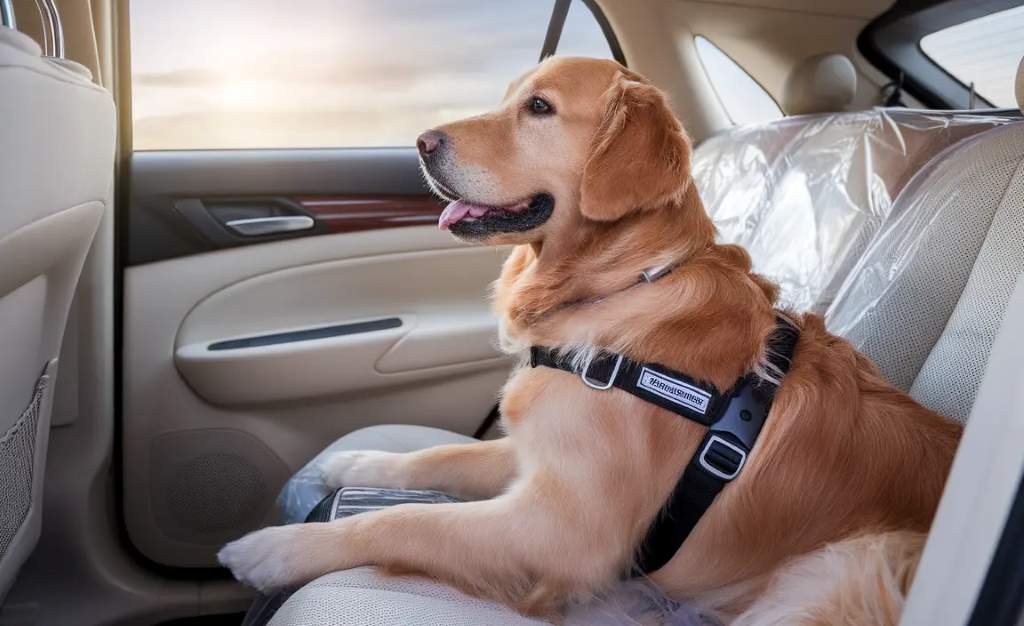
Follow these steps to restrain your dog safely in a car in Spain:
- Choose a Restraint System: Select a crash-tested dog harness, pet carrier, or dog guard based on your dog’s needs.
- Check Legal Compliance: Ensure the system meets Spain’s Highway Code and safety standards like DIN 75410-2.
- Install Properly: Follow manufacturer guidelines. Secure harnesses to ISOFIX devices or seatbelts.
- Acclimate Your Dog: Let your dog practice wearing the harness or sitting in the carrier at home.
- Test on Short Drives: Take short trips to ensure comfort and adjust fit.
- Monitor During Travel: Check for signs of stress or discomfort.
- Pack Essentials: Bring water bottles, non-spill water bowls, and a cooling mat for long trips.
Tips for Safe Road Trips with Your Dog in Spain
Road trips with your canine companion are fun but require planning. Here are practical tips to ensure safety and comfort:
- Plan Rest Stops: Stop every 2–3 hours for bathroom breaks and water. Spain’s pet-friendly accommodations often have rest areas.
- Avoid Heat Stroke: Never leave your dog in a parked car. High temperatures can cause heat stress. Use a cooling mat.
- Check Entry Requirements: If crossing borders, carry a pet passport and vaccination records.
- Use Environmental Enrichment: Toys or treats keep your dog calm.
- Inspect for Ticks and Lice: Check your dog after outdoor stops, especially in rural Spain.
- Consider Pet Transport Services: For long journeys, services like Eurotunnel Le Shuttle offer pet travel options.
Common Mistakes to Avoid When Restraining Dogs in Cars
Pet parents often make errors that compromise safety. Avoid these pitfalls:
- Using Non-Crash-Tested Harnesses: Cheap harnesses may fail in accidents.
- Leaving Dogs Unrestrained: Loose dogs violate Spain’s driving laws.
- Improper Installation: Follow instructions to secure harnesses or cages.
- Ignoring Dog Comfort: Ensure the restraint fits well and allows slight movement.
- Skipping Acclimation: Train your dog to use the restraint before travel.
The National Highway Traffic Safety Administration warns that improper restraints increase injury risks by 60%. Always prioritize safety.
Benefits of Proper Pet Restraint Beyond Safety
Restraining your dog offers more than crash protection. It also:
- Reduces Driver Distraction: Keeps your focus on the road.
- Lowers Insurance Claims: Prevents accidents caused by pets, reducing car insurance policy disputes.
- Enhances Pet Comfort: Secure dogs feel less anxious.
- Meets Legal Standards: Avoids fines and ensures compliance with Spain’s Law on the Protection, Rights, and Welfare of Animals.
- Promotes Responsible Pet Ownership: Shows care for your dog and others on the road.
Traveling with Potentially Dangerous Dog Breeds
Spain has strict rules for potentially dangerous dog breeds, like Rottweilers or Dogo Argentinos. These dogs require:
- Muzzles: Mandatory in public spaces, including cars.
- Special Harnesses: Use crash-tested harnesses designed for strong breeds.
- Civil Liability Insurance: Covers damages caused by these breeds.
- Registration: Some regions require registering these dogs with local authorities.
Check with the Directorate-General for Traffic for breed-specific rules. Always carry documentation when traveling.
Pet Safety Products to Enhance Your Dog’s Comfort
Beyond restraints, these products improve your dog’s travel experience:
- Cooling Mat: Prevents heat stroke during summer drives.
- Non-Spill Water Bowls: Keeps water accessible without messes.
- Travel Bottle: Easy to carry for hydration on the go.
- Dog Beds: Adds comfort in pet carriers or cargo areas.
- Furniture Protectors: Shields car seats from fur and scratches.
Brands like Weather Tech and the National Association of Pet Food Manufacturers offer quality pet travel gear.
Spain’s Pet-Friendly Travel Culture
Spain loves dogs. The Affinity Foundation reports 26% of Spanish households own pets. Dog-friendly villas and pet reception areas are common. Services like Eurotunnel Le Shuttle cater to pet travelers. However, pet safety remains a priority. The RACE study found 30% of drivers fail to restrain pets properly. Join Spain’s dog lover community by prioritizing safety and comfort for your pet.
Drive Safely with Your Dog in Spain
Restraining your dog in a car in Spain is a must. It ensures safety, meets legal requirements, and keeps your pet comfortable. Use crash-tested dog harnesses, pet carriers, or dog guards. Follow Spain’s Highway Code and Article 13 to avoid fines. Plan rest stops, carry a pet passport, and use cooling mats for long trips. Your canine companion deserves a safe journey. Start today—choose a restraint system, test it, and hit the road with confidence. Share your tips for traveling with dogs in the comments!
Read Also:
Things to See in Alexandria Egypt: A Complete Travel Guide
Spring in UK: Seasonal Travel Guide And Top Destinations
FAQs
What is the best way to restrain a dog in a car in Spain?
Use a crash-tested dog harness or pet carrier. Ensure it meets ECE R17 standards and fits your dog’s size.
Are there legal requirements for restraining dogs in Spain?
Yes. Article 13 mandates pets be restrained to avoid driver distraction. Fines can reach €200.
Can I use a seatbelt adapter for my dog?
Yes, but ensure it’s compatible with a crash-tested harness. ISOFIX devices are more secure for larger dogs.
What should I pack for a road trip with my dog?
Bring a cooling mat, non-spill water bowls, travel bottle, and pet passport for cross-border travel.
Are pet transport services available in Spain?
Yes. Services like Eurotunnel Le Shuttle and pet-friendly accommodations make travel easy.