
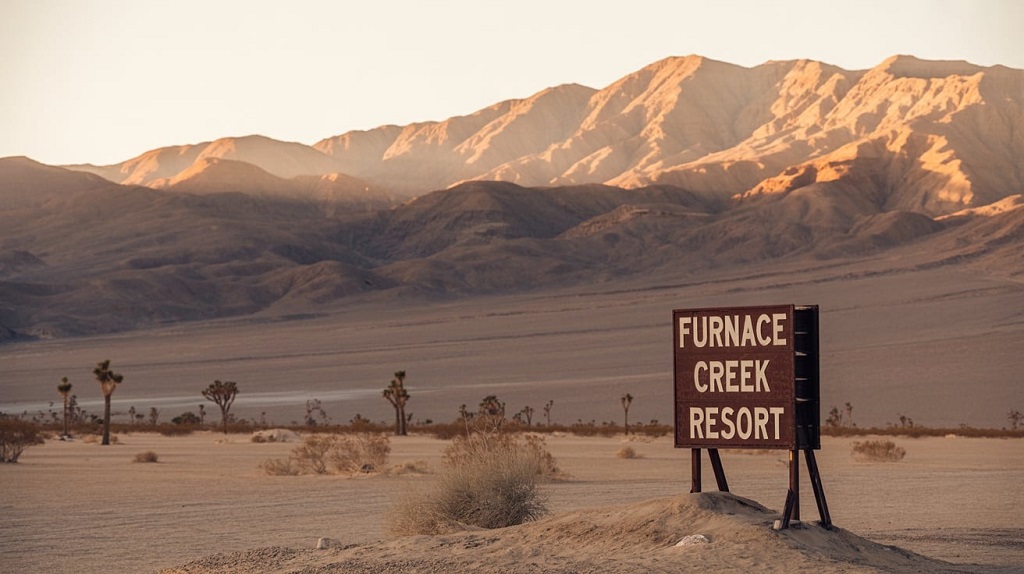
Imagine standing under a vast, star-studded sky in one of the hottest places on Earth, where temperatures soar above 120°F by day and plummet at night, surrounded by otherworldly landscapes of salt flats, towering sand dunes, and colorful badlands. Death Valley National Park isn’t just a destination—it’s an adventure that tests your limits and rewards your spirit. But after a day of hiking through scorching canyons or marveling at Zabriskie Point at sunrise, you’ll need a comfortable refuge to recharge. That’s where finding the right lodging comes in. Whether you’re seeking luxury resorts, budget-friendly motels, or rustic campsites, this guide to where to stay in Death Valley will help you plan an unforgettable trip. We’ll explore top accommodations inside and outside the park, key factors to consider, and insider tips to make your visit seamless.
Death Valley National Park spans over 3.4 million acres across California and Nevada, making it the largest national park in the contiguous United States. Its extreme climate—record-breaking heat in summer and chilly winters—means lodging choices can significantly impact your experience. Staying inside the park immerses you in the wilderness, minimizing drive times to attractions like Badwater Basin or Artists Palette. However, options are limited and often book up quickly, especially during peak seasons from October to April. If you’re wondering about Death Valley hotels, resorts, or even nearby towns for more variety, we’ve got you covered with practical recommendations based on location, amenities, and traveler feedback.
Lodging Inside Death Valley National Park: Immersive Stays Amid the Extremes
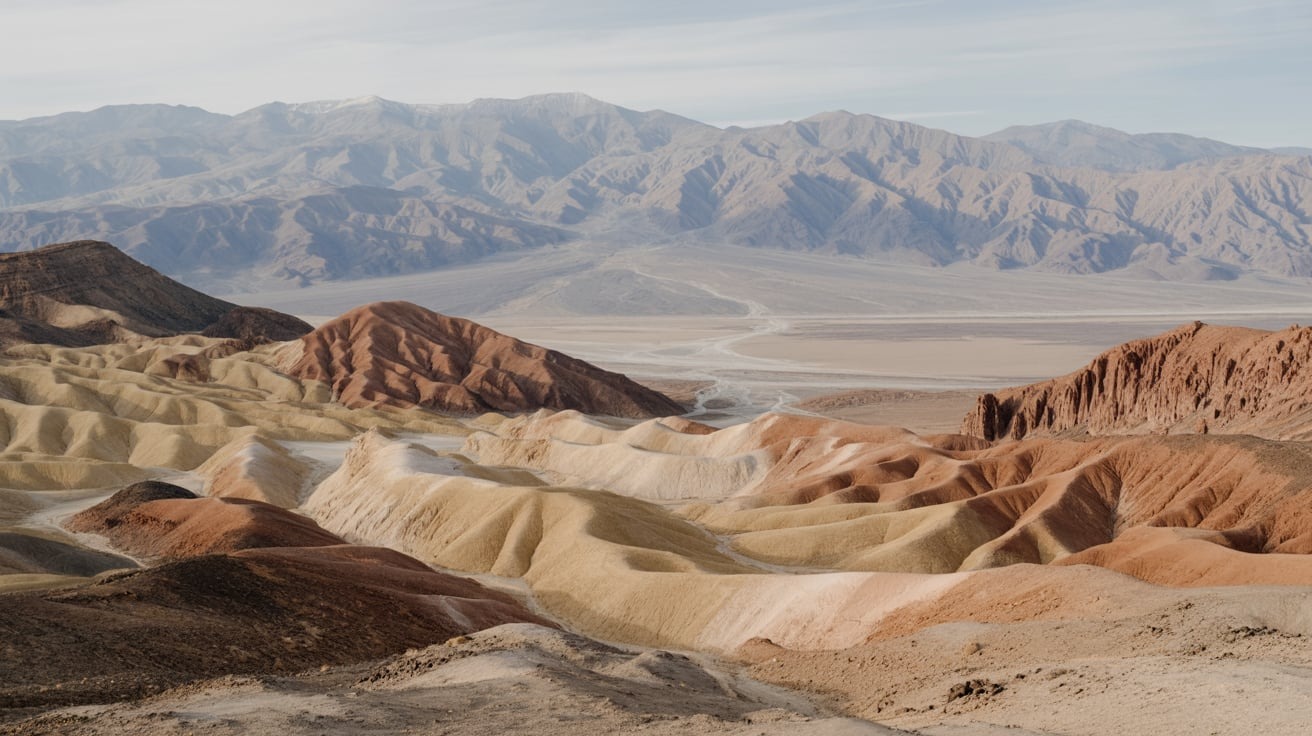
Staying within the park boundaries offers unparalleled convenience and a true sense of isolation in this remote desert wonderland. The four main in-park lodging options are operated by private concessionaires and provide a range of experiences from upscale elegance to no-frills comfort. These Death Valley accommodations are strategically located near key sites, but remember: the park’s vast size means drives between them can take 30 minutes to over an hour.
The Inn at Death Valley: Luxury Oasis in the Desert
For those craving a touch of opulence in this harsh environment, The Inn at Death Valley stands out as the premier choice. This historic AAA Four-Diamond resort, built in 1927, features mission-style architecture nestled in Furnace Creek, the park’s central hub. Guests rave about its spring-fed swimming pool, lush palm gardens, and fine dining at the on-site restaurant, which serves seasonal cuisine with views of the surrounding mountains. Rooms are elegantly appointed with modern amenities like air conditioning (a must in Death Valley), plush bedding, and private patios overlooking the desert.
What sets this resort apart is its serene atmosphere—perfect for couples or those seeking relaxation after exploring the park’s hiking trails. Recent reviews highlight the well-maintained grounds and fun exploratory vibe, though some note inconsistent service and higher prices starting around $300 per night. It’s open year-round, but book early for spring wildflower blooms or fall stargazing events. If luxury Death Valley resorts are on your list, this is the spot to splurge for an unforgettable stay.
The Ranch at Death Valley: Family-Friendly and Adventure-Ready
Adjacent to The Inn but with a more casual vibe, The Ranch at Death Valley caters to families and budget-conscious travelers. Also in Furnace Creek, this motel-style property offers over 200 rooms with simple, comfortable furnishings, including options for larger groups. Amenities include multiple restaurants, a general store for supplies, a gas station, and even a borax museum that dives into the park’s mining history.
Travelers appreciate its central location, just minutes from the Furnace Creek Visitor Center and attractions like Golden Canyon. With rates often under $200 per night, it’s a solid mid-range option among Death Valley National Park lodging. Reviews praise the adventure-focused setup, including a pool and nearby golf course (the lowest elevation course in the world!), but mention that rooms can feel dated. Open all year, it’s ideal for those planning multi-day hikes or scenic drives.
Stovepipe Wells Village: Affordable Base for Exploration
If you’re looking for value without sacrificing location, Stovepipe Wells Village is a renovated resort near the iconic Mesquite Flat Sand Dunes and Mosaic Canyon. This property provides basic but clean rooms with essential amenities like air conditioning, Wi-Fi (spotty in the park), and an outdoor swimming pool offering stunning dune views. On-site, you’ll find a restaurant serving fresh meals, a saloon, gift shop, and a 24-hour gas station—crucial in this remote area.
Priced around $150-$250 per night, it’s popular among hikers and photographers for its proximity to northern park highlights. Recent visitor tips emphasize its safety and convenience, though some rooms show signs of age and a faint musty smell. Open year-round, it’s a great pick for shorter stays or as a base for day trips to Ubehebe Crater.
Panamint Springs Resort: Rustic Charm on the Western Edge
For a more laid-back, off-the-beaten-path experience, head to Panamint Springs Resort on the park’s western side. This private resort offers motel rooms, cabins, and even tent sites, blending lodging with camping vibes. Amenities include a restaurant known for hearty burgers and craft beers, plus a gas station for refueling before tackling Darwin Falls or Wildrose Peak.
Rates start at about $100 per night, making it one of the most budget-friendly in-park options. Reviews highlight its friendly staff and peaceful setting, ideal for stargazers (Death Valley is an International Dark Sky Park). However, it’s farther from main attractions like Badwater, so plan for longer drives. Open year-round, it’s perfect for adventurers who don’t mind a simpler setup.
Lodging Outside Death Valley: More Options and Convenience
If in-park spots are booked or you prefer urban amenities, consider staying in nearby towns. These provide easier access to groceries, dining variety, and sometimes lower costs, though you’ll add commute time—up to 2.5 hours one way.
Eastern Side: Beatty, Pahrump, and Beyond
Beatty, Nevada (45 minutes from Furnace Creek), offers motels like the Exchange Club Motel with clean, affordable rooms and proximity to Rhyolite Ghost Town. Pahrump (1.5 hours away) features chains like Holiday Inn Express & Suites, praised for modern comforts and pools—great after a hot day in the park. For a city escape, Las Vegas (2.5 hours) has endless hotels, from budget to luxury, allowing day trips to Death Valley.
Shoshone, California (1 hour), provides quirky inns like the Shoshone Inn, blending history with basic amenities.
Western Side: Lone Pine and Ridgecrest
Lone Pine (1 hour 45 minutes) is a gateway for Mount Whitney hikers, with options like the Best Western Frontier Motel offering mountain views and breakfast. Ridgecrest (2.5 hours) has family-oriented spots like the SpringHill Suites, convenient for those combining Death Valley with Joshua Tree visits.
Bishop (3.5 hours) appeals to outdoor enthusiasts with lodges near fishing spots.
Camping in Death Valley: For the True Adventurers
While this guide focuses on lodging, camping is a popular alternative for immersive Death Valley stays. The park has nine campgrounds, including Furnace Creek (year-round, with hookups) and free primitive sites like Emigrant. Expect stunning night skies but prepare for extremes—bring plenty of water and shade. Reservations are recommended via Recreation.gov.
Read More Also: Tips to Keep Your RV Warm in Winter
Tips for Choosing and Booking Death Valley Accommodations
To maximize your trip, consider these factors:
- Seasonal Considerations: Summers (June-September) are brutally hot (over 100°F), so opt for air-conditioned hotels. Winters bring mild days but cold nights—perfect for camping or budget stays.
- Budget Breakdown: Luxury resorts like The Inn run $300+, mid-range like The Ranch $150-250, budget motels under $150. Factor in park entrance fees ($30/vehicle).
- Booking Advice: Reserve 6-12 months ahead for peak season. Use official sites or apps like Booking.com for deals. Check for pet-friendly options if traveling with furry friends.
- What to Pack: Sunscreen, hats, reusable water bottles, and snacks—services are sparse.
- Sustainability Tips: Support eco-friendly practices; many lodges like The Oasis emphasize water conservation in this arid region.
- Recent Traveler Insights: Reviews from 2025 note improved Wi-Fi at major resorts but warn of road closures due to flash floods—always check NPS alerts.
Death Valley’s lodging scene balances rugged adventure with surprising comforts, ensuring something for every traveler.
Read More Also: Why Is Italy a Good Place to Visit?
In conclusion,
whether you choose the elegant seclusion of The Inn at Death Valley, the practical vibes of Stovepipe Wells, or a nearby town for variety, your stay will enhance the magic of this iconic park. Don’t let the extremes deter you—proper planning turns a challenging visit into a life-changing one.