
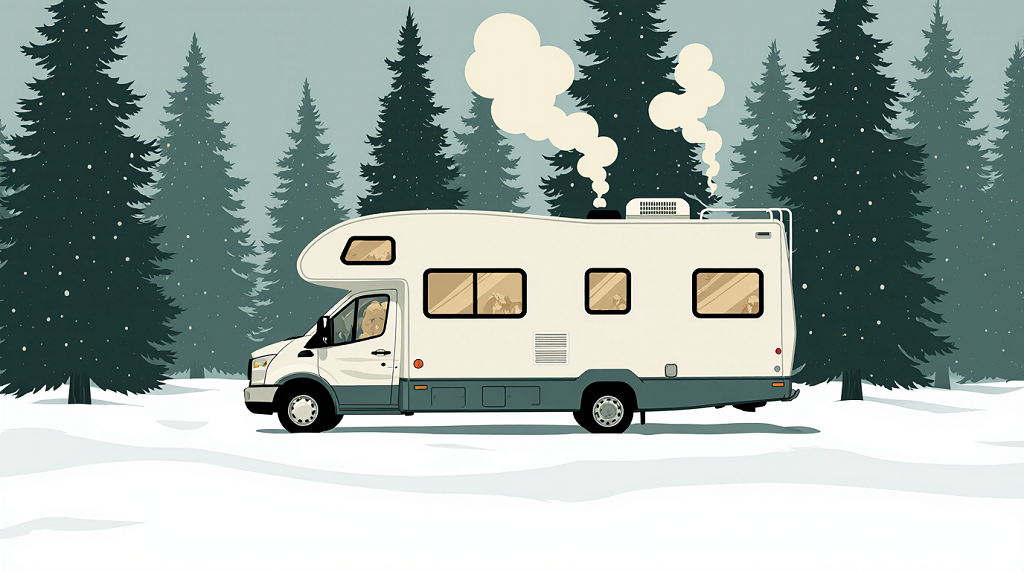
Winter RVing can be magical. Picture yourself sipping hot cocoa while snowflakes fall outside your RV windows, enjoying the quiet beauty of a frosty morning. But let’s be real—without proper preparation, that peaceful scene can quickly turn into a shivering nightmare.
If you’re planning to camp or live in your RV during cold months, knowing how to keep your RV warm in winter isn’t just about comfort—it’s about safety, protecting your plumbing system, and making the experience enjoyable.
This guide covers practical tips, RV winterization hacks, insulation methods, heating solutions, and energy-saving tricks that will help you stay warm no matter how low the temperature drops.
Why Keeping Your RV Warm in Winter Is Essential
RV life in cold climates comes with unique challenges. Unlike traditional homes, RVs have thinner walls, less insulation, and exposed plumbing systems. When temperatures dip below freezing, you risk:
- Frozen pipes and tanks that can burst and cause costly damage.
- Inefficient heating that wastes propane or electricity.
- Cold drafts making your RV uncomfortable to live or sleep in.
The good news? With the right preparation and tools, you can stay cozy and protect your RV from winter’s harsh effects.
-
Insulate Your RV Properly
Insulation is the foundation of winter RVing comfort. By reducing heat loss, you’ll use less energy to keep your rig warm.
Seal Drafts Around Windows and Doors
- Use weather stripping or foam tape to block cold air from sneaking in.
- Invest in RV window insulation film or thermal curtains for added warmth.
- Don’t forget the door—many RV doors are poorly insulated, so use a draft stopper.
Add Skirting Around Your RV
RV skirting (vinyl, foam board, or custom skirting) traps warmer air under your RV and prevents cold air from freezing your plumbing. If you’re staying in one location for the season, this is a must.
Insulate the Floors and Roof Vents
- Lay down thermal rugs or carpets to reduce heat loss through the floor.
- Use vent insulators or pillows designed for RV roof vents. These prevent warm air from escaping through ceiling openings.
- Use the Right Heating System
Most RVs come with a propane furnace, but there are other heating options to consider depending on your setup.
RV Furnace (Propane-Powered)
- Pros: Built-in, powerful, and distributes heat evenly through ducts.
- Cons: Consumes a lot of propane and drains the RV battery (fan blower).
Tip: Keep a carbon monoxide detector in your RV whenever using propane appliances.
Portable Electric Heaters
If you’re plugged into shore power, electric heaters can save propane and provide steady warmth. Popular choices include:
- Ceramic space heaters (energy-efficient).
- Infrared heaters (quiet and effective).
- Oil-filled radiator heaters (safe for overnight use).
Wood Stoves for RVs
Some full-time RVers install small wood stoves designed for tiny spaces. While cozy and cost-effective, they require careful installation and maintenance.
-
Protect Your Plumbing System from Freezing
One of the biggest winter RVing concerns is frozen pipes. Once water freezes, it expands—and that can mean burst pipes, damaged fittings, and expensive repairs.
Practical Steps to Prevent Frozen Pipes
- Heated water hose: Keeps your fresh water line from freezing.
- Pipe insulation: Wrap exposed pipes with foam insulation.
- Tank heaters: Install 12V heating pads on holding tanks.
- Keep faucets dripping: A small trickle of water helps prevent freezing.
If you plan to stay stationary in very cold temperatures, consider filling your freshwater tank and disconnecting from the external hose, which is more vulnerable to freezing.
-
Manage Condensation and Moisture
Cold weather camping often leads to condensation inside the RV, especially around windows. Too much moisture can cause mold, mildew, and damage.
Ways to Reduce Moisture:
- Use a dehumidifier or moisture-absorbing products.
- Ventilate your RV regularly, even in winter.
- Cook with lids on pots and avoid drying wet clothes indoors.
-
Cook and Heat Smarter
Cooking can add warmth to your RV, but it also adds humidity. To balance both:
- Use your propane stove or oven for short bursts of extra heat.
- Always run your RV vent fan while cooking to reduce moisture buildup.
- Batch cook hearty meals like soups and stews that warm both your belly and your space.
-
Dress in Layers and Use Thermal Bedding
Sometimes the simplest tips are the most effective.
- Invest in thermal pajamas, socks, and blankets.
- Use flannel sheets and an insulated comforter for better sleep.
- Consider an electric blanket or heated mattress pad for cozy nights.
This approach not only saves energy but also makes your RV feel more like home.
-
Maximize Solar Gain
Take advantage of the sun’s free heat during the day.
- Park your RV with the largest windows facing south.
- Open blinds during sunny hours to let warmth in.
- Close them at night to trap heat inside.
-
Maintain Your RV Furnace and Heating Equipment
Before winter sets in, make sure your heating system is in top shape.
- Clean or replace furnace filters.
- Test propane lines for leaks.
- Check that heating vents are not blocked by furniture or storage.
A little preventative maintenance goes a long way toward a warm, worry-free winter.
-
Conserve Energy While Staying Warm
Heating an RV can be expensive. To save on propane or electricity:
- Only heat the rooms you’re using.
- Close off unused areas with curtains or thermal dividers.
- Keep your thermostat lower at night and rely on extra blankets.
-
Plan Your Travel and Camping Locations
Even if you love cold-weather RVing, you can make smarter choices about where to camp.
- Choose RV parks that offer heated bathhouses, electrical hookups, and water hose insulation.
- Avoid extremely high elevations if you’re not fully winterized.
- Always check weather forecasts to avoid being caught in dangerous snowstorms.
Read More Also: Why Sound Travels Faster in Summer Than in Winter
FAQs About Keeping Your RV Warm in Winter
Q1: Can I live in an RV during winter?
Yes, but you’ll need proper insulation, heating systems, and winterization techniques to stay safe and comfortable.
Q2: What temperature will freeze RV pipes?
Pipes can begin to freeze when temperatures drop to 32°F (0°C), but prolonged exposure to below 20°F (-6°C) is when serious damage occurs.
Q3: How much propane does an RV furnace use in winter?
On average, an RV furnace burns about ⅓ to ½ gallon of propane per hour of continuous use. Insulation and supplemental heaters help reduce usage.
Q4: What’s the cheapest way to heat an RV in winter?
If you’re plugged into shore power, electric space heaters are often cheaper than propane. Combining insulation with efficient heaters reduces overall costs.
Q5: Should I cover my RV in winter?
Yes. An RV cover protects your roof, windows, and seals from snow and ice damage while also improving insulation.
Final Thoughts: Enjoy Winter RVing Without the Chill
RV life doesn’t have to stop when temperatures drop. With the right preparation—insulation, heating solutions, plumbing protection, and smart energy use—you can enjoy winter RV camping safely and comfortably.