
Pack light for a two-week trip is both an art and a science, requiring strategic planning, disciplined choices, and an understanding of travel dynamics. This comprehensive 2,500-word guide delves into the history, principles, benefits, challenges, and future trends of packing light, offering actionable strategies for travelers of all experience levels. With a structured outline, practical tips, a comparative table, a review of essential tools, frequently asked questions, and a conclusion, this article equips you to travel efficiently without sacrificing comfort or style.
The Evolution of Packing Light
Historical Context
The concept of packing light has evolved alongside travel itself. In the 19th century, transatlantic voyages required travelers to haul steamer trunks weighing up to 100 pounds, filled with formal attire and household goods. The advent of air travel in the 20th century shifted priorities, as airlines imposed weight limits and baggage fees. By the 1970s, backpacking culture popularized minimalism, with travelers embracing versatile gear to navigate diverse destinations.
-
Key Milestones:
-
1920s: Early commercial airlines limited luggage to 20-30 pounds, forcing travelers to prioritize essentials.
-
1970s: Rise of backpacker culture emphasized lightweight, durable gear.
-
2000s: Budget airlines introduced strict carry-on rules, spurring innovation in compact travel products.
-
Current State
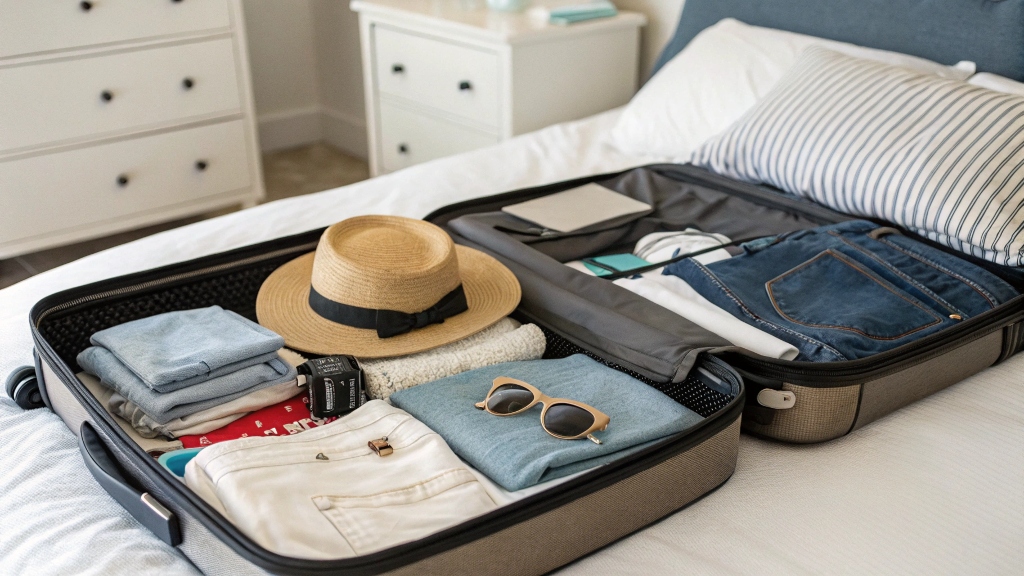
Today, packing light is a mainstream travel philosophy, driven by convenience, cost savings, and environmental awareness. Modern travelers leverage advanced materials, multi-functional clothing, and digital tools to minimize luggage while maximizing flexibility. Social media platforms like X showcase packing hacks, with influencers demonstrating capsule wardrobes and modular gear.
-
Trends:
-
Minimalist travel blogs advocate for carry-on-only trips.
-
Sustainable brands promote eco-friendly, lightweight products.
-
Technology, like packing apps, streamlines decision-making.
-
Key Concepts of Packing Light
The Capsule Wardrobe
A capsule wardrobe is the cornerstone of packing light, consisting of versatile, interchangeable clothing items that create multiple outfits. For a two-week trip, aim for 10-14 pieces that mix and match across climates and occasions.
-
Core Principles:
-
Neutral Colors: Blacks, whites, grays, and navy form a cohesive base.
-
Layering: Lightweight layers adapt to temperature changes.
-
Multi-Use Items: A scarf doubles as a shawl or beach cover-up.
-
-
Sample Capsule Wardrobe for 14 Days:
-
Tops: 3 t-shirts, 2 blouses, 1 sweater.
-
Bottoms: 2 pants, 1 skirt, 1 shorts.
-
Outerwear: 1 lightweight jacket, 1 cardigan.
-
Accessories: 1 scarf, 1 belt, 1 hat.
-
The 5-4-3-2-1 Rule
This packing guideline limits items to streamline choices: 5 tops, 4 bottoms, 3 pairs of shoes, 2 jackets, 1 accessory. Adjust based on destination and activities, but maintain strict boundaries to avoid overpacking.
Packing Cubes and Compression Bags
Organizational tools like packing cubes and compression bags maximize space and keep items tidy. Cubes categorize clothing, while compression bags reduce volume by up to 50%.
-
Benefits:
-
Easy access to specific items.
-
Protection from spills or dirt.
-
Enhanced suitcase organization.
-
Benefits of Packing Light
Mobility and Flexibility
A lightweight bag—ideally under 15 pounds for a carry-on—allows effortless navigation through airports, train stations, and urban streets. Travelers can pivot plans without lugging heavy suitcases.
-
Examples:
-
Sprinting to catch a connecting flight without checking bags.
-
Exploring cobblestone streets without straining shoulders.
-
Cost Savings
Most airlines charge $25-$50 per checked bag, and budget carriers impose strict carry-on fees for oversized luggage. pack light for a two-week trip light avoids these costs and reduces the risk of lost luggage.
-
Data Point: In 2023, U.S. airlines collected $6.8 billion in baggage fees, per the Bureau of Transportation Statistics.
Environmental Impact
Fewer items mean less fuel consumption for flights and vehicles. Choosing sustainable fabrics like merino wool or recycled polyester further reduces your carbon footprint.
-
Fact: A 10-pound reduction in luggage can save approximately 0.1 gallons of fuel per flight.
Challenges of Packing Light
Limited Outfit Variety
A capsule wardrobe may feel repetitive, especially for social media-savvy travelers aiming for fresh looks. Creative accessorizing and laundry planning mitigate this.
-
Solutions:
-
Use statement jewelry or scarves to vary outfits.
-
Pack quick-dry clothing for mid-trip laundry.
-
Weather Unpredictability
Two-week trips often span multiple climates, complicating packing. A sudden cold snap or rainstorm can expose gaps in a minimalist wardrobe.
-
Strategies:
-
Check 14-day weather forecasts via apps like AccuWeather.
-
Pack a compact, waterproof shell for unexpected rain.
-
Gear Brooks Range Packing List
To ensure you have everything you need for a two-week trip without overpacking, follow a disciplined pack light for a two-week trip list tailored to your destination, activities, and personal needs. Below is a sample pack light for a two-week trip, assuming a temperate climate with moderate weather variations.
Clothing
-
Tops:
-
3 t-shirts (quick-dry, neutral colors).
-
2 blouses or button-down shirts (versatile for casual or semi-formal settings).
-
1 lightweight sweater (merino wool for warmth and odor resistance).
-
-
Bottoms:
-
2 pairs of pants (1 comfortable for travel, 1 stylish).
-
1 skirt or shorts (destination-dependent).
-
-
Outerwear:
-
1 waterproof, packable rain jacket.
-
1 lightweight cardigan or fleece.
-
-
Underwear and Accessories:
-
7 pairs of underwear (quick-dry for easy washing).
-
5 pairs of socks (merino wool for breathability).
-
1 scarf (doubles as a shawl or beach cover-up).
-
1 belt (reversible for versatility).
-
-
Shoes:
-
1 pair of comfortable walking shoes.
-
1 pair of versatile flats or loafers.
-
1 pair of flip-flops or sandals (for showers or beach).
-
Toiletries
-
Essentials:
-
Travel-sized toothpaste, toothbrush, and floss.
-
Solid shampoo and conditioner bars (space-saving, eco-friendly).
-
Small deodorant stick.
-
Minimal makeup (e.g., tinted moisturizer, lip balm, mascara).
-
-
Extras:
-
Sunscreen (SPF 30+, travel-sized).
-
Basic first-aid kit (band-aids, pain relievers, antiseptic wipes).
-
Electronics
-
Must-Haves:
-
Smartphone with offline maps (e.g., Google Maps or Maps.me).
-
Universal power adapter.
-
Portable charger (10,000 mAh for multiple charges).
-
-
Optional:
-
Compact e-reader or tablet for entertainment.
-
Lightweight earbuds.
-
Miscellaneous
-
Reusable water bottle (collapsible to save space).
-
Travel laundry kit (sink stopper, detergent sheets).
-
Small daypack or foldable tote for day trips.
-
Travel documents (passport, tickets, itinerary) in a waterproof sleeve.
Table: Carry-On Luggage Comparison
|
Brand |
Model |
Weight |
Capacity |
Price (USD) |
Key Features |
|---|---|---|---|---|---|
|
Osprey |
Farpoint 40 |
3.5 lbs |
40L |
~$160 |
Backpack-style, durable, laptop sleeve |
|
Nomatic |
Travel Bag |
4.2 lbs |
40L |
~$300 |
Sleek design, multiple compartments |
|
Tom Bihn |
Aeronaut 45 |
3.2 lbs |
45L |
~$330 |
Modular, customizable, made in USA |
|
CabinZero |
Classic 36 |
1.5 lbs |
36L |
~$80 |
Ultra-light, budget-friendly, lifetime warranty |
Step-by-Step Packing Process
Step 1: Plan Your Itinerary
Outline daily activities, weather, and cultural expectations (e.g., modest dress for religious sites). This informs clothing and gear choices.
-
Tool: Use apps like TripIt to organize plans and identify pack light for a two-week trip needs.
Step 2: Lay Out Items
Spread all potential items on a bed or table. Group by category (clothing, toiletries, electronics) and eliminate duplicates or non-essentials.
-
Tip: Aim for a 20% buffer in your bag for souvenirs or unexpected needs.
Step 3: Pack Strategically
Place heavy items (shoes, toiletries) at the bottom or near the wheels for stability. Use pack light for a two-week trip cubes to compress clothing and maintain order.
-
Pro Hack: Roll t-shirts to save space; fold structured items like blouses to avoid wrinkles.
Step 4: Test Your Bag
Weigh your luggage (aim for under 15 pounds) and carry or roll it for 10 minutes to ensure comfort. Adjust if it feels cumbersome.
Advanced Strategies for Seasoned Travelers
Laundry on the Go
Washing clothes mid-trip extends the usability of a small wardrobe. Use hotel sinks or laundromats, and pack a universal sink stopper and detergent sheets.
-
Products:
-
Scrubba Wash Bag: A portable washing system for small loads.
-
Sea to Summit Trek & Travel Pocket Laundry Wash: Biodegradable, TSA-compliant.
-
Multi-Functional Gear
Invest in items that serve multiple purposes, like a jacket with hidden pockets or shoes suitable for hiking and dining.
-
Example: Columbia’s Omni-Heat Infinity jacket offers warmth, water resistance, and packability.
Digital Minimalism
Replace physical items with digital alternatives. Store books on an e-reader, scan documents to your phone, and use apps for translations or currency conversion.
-
App Recommendation: Google Translate for offline language support.
Future Trends in Packing Light
Smart Luggage
Innovations like GPS-enabled suitcases and built-in charging ports are gaining traction, though they add weight. Brands like Away and Samsonite lead this space.
-
Prediction: By 2030, smart luggage with AI-driven pack light for a two-week trip suggestions could become mainstream.
Sustainable Materials
Eco-conscious travelers demand luggage and clothing made from recycled plastics, organic cotton, or biodegradable fabrics. Brands like Patagonia and Cotopaxi are setting benchmarks.
-
Stat: The global sustainable luggage market is projected to grow at a 7.2% CAGR from 2025 to 2032.
3D-Printed Travel Gear
Customizable, lightweight accessories (e.g., toiletry containers, shoe soles) made via 3D printing are emerging, reducing waste and bulk.
-
Potential: On-demand printing at airports for last-minute gear.
Review: Top Packing Tools
Product: Eagle Creek Pack-It Specter Cube Set
-
Rating: 4.8/5
-
Pros: Ultra-light (1 oz per cube), durable, translucent for visibility.
-
Cons: Higher price point (~$40 for a set of 3).
-
Verdict: Ideal for obsessive organizers who value space and durability.
Product: Anker PowerCore 10000
-
Rating: 4.7/5
-
Pros: Compact (6 oz), fast-charging, reliable for 2-3 phone charges.
-
Cons: No USB-C cable included.
-
Verdict: A must-have for tech-dependent travelers.
Read More Also: Balancing Work-Life in Small Apartments: A Comprehensive Guide
Frequently Asked Questions
-
How do I pack light for a multi-climate trip?Layer versatile clothing (e.g., merino wool base layers, packable down jackets) and check extended forecasts. A waterproof shell is non-negotiable.
-
Can I pack light for business and leisure?Yes, choose polished yet comfortable items like wrinkle-resistant blazers and dressy sneakers. A reversible belt adds versatility.
-
How do I avoid overpacking toiletries?Stick to travel-sized or solid products (e.g., shampoo bars). Decant liquids into 1-oz silicone bottles to meet TSA rules.
-
What’s the best carry-on for a two-week trip?The Osprey Farpoint 40 offers a balance of weight, capacity, and durability for most travelers. Budget-conscious? Try the CabinZero Classic 36.
-
How do I handle laundry during travel?Pack a sink stopper and detergent sheets for hand-washing. Seek hostels or hotels with laundry facilities for longer stays.
Read More Also: Best Way to Find Authentic Street Food in Bangkok Safely
Conclusion
pack light for a two-week trip is a skill that blends discipline, creativity, and foresight. By embracing a capsule wardrobe, leveraging organizational tools, and adopting advanced strategies like on-the-go laundry, travelers can enjoy mobility, cost savings, and a lower environmental footprint. Challenges like weather unpredictability or outfit repetition are manageable with careful planning and multi-functional gear. As technology and sustainability shape the future, packing light will become even more seamless, with smart luggage and 3D-printed gear on the horizon. Whether you’re a novice or a seasoned globetrotter, this guide equips you to pack smarter, travel lighter, and focus on the journey ahead.