
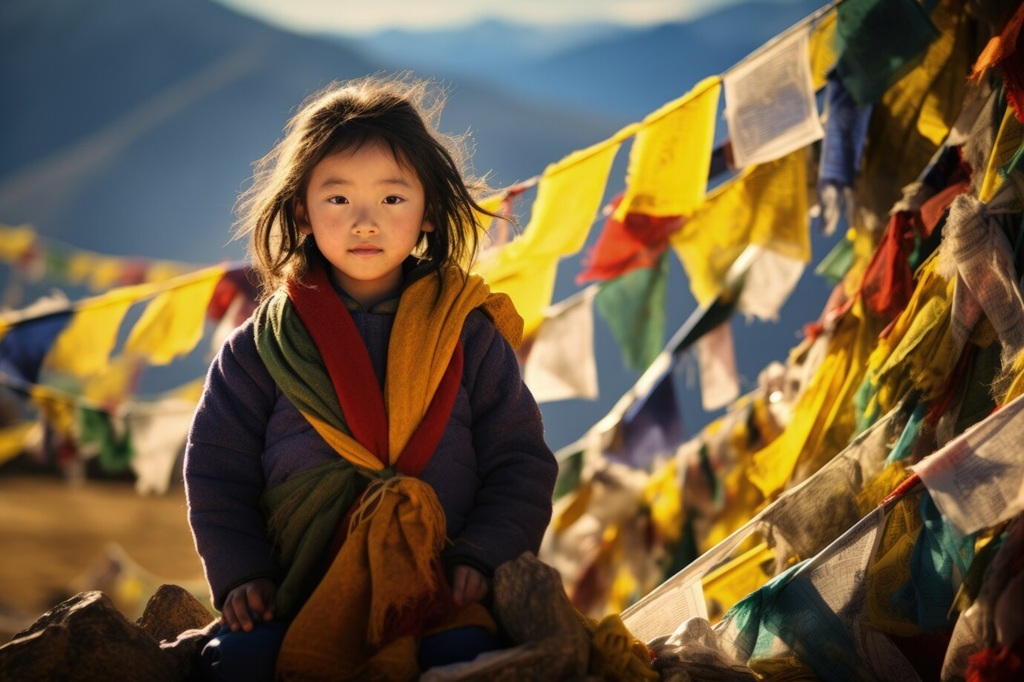
Nestled high in the Himalayas, the Kingdom of Bhutan often conjures images of mist-shrouded mountains, ancient monasteries clinging to cliffsides, and a deep sense of tranquility. While these images hold true, Bhutan offers a cultural tapestry far richer and more vibrant than meets the eye. It’s a nation that famously prioritizes Gross National Happiness (GNH) over Gross Domestic Product (GDP), a philosophy woven into the very fabric of daily life, shaping everything from governance to environmental conservation and, crucially, its unique cultural identity. Venturing into Bhutan is not just a trip; it’s an immersion into a living heritage, a chance to connect with traditions preserved with intention and warmth. Forget the usual tourist trails; let’s delve into the heart of Bhutanese culture.
Immerse Yourself in Vibrant Festivals (Tshechus)
One of the most electrifying ways to experience Bhutanese culture is by attending a Tshechu. These religious festivals, held annually in various districts (Dzongkhags) on the tenth day of a lunar month, are far more than mere spectacles for visitors. They are deeply significant community gatherings, steeped in Buddhist tradition and dedicated to Guru Rinpoche, the saint who introduced Buddhism to Bhutan.
Imagine arriving at a grand Dzong (fortress-monastery) as dawn breaks. Villagers stream in from surrounding areas, dressed in their absolute finest – men in intricately woven Gho robes tied with a Kera belt, and women in stunning, colourful Kiras, ankle-length dresses adorned with intricate patterns and secured with ornate Koma brooches at the shoulders. The air buzzes with anticipation and social reconnection.
The centrepiece of any Tshechu is the Cham dance. Performed by monks and laymen wearing elaborate costumes and striking, sometimes fearsome, masks, these dances are not just performances but spiritual enactments. They narrate tales from Buddhist mythology, depict historical events, and convey moral lessons, often illustrating the triumph of good over evil or the life of revered saints. The hypnotic rhythm of drums, cymbals, and horns accompanies the dancers’ precise, symbolic movements.
Witnessing these dances is believed to confer blessings and purify sins. Beyond the spiritual core, Tshechus are vibrant social occasions, a time for families and friends to reunite, share food, and celebrate their shared heritage. While major Tshechus like those in Paro (usually spring) and Thimphu (usually autumn) attract larger crowds, smaller regional festivals offer a more intimate glimpse into local life. Check the festival calendar for 2025 – perhaps you’ll time your visit for the Punakha Tshechu in March, the Paro Tshechu in April, or the Thimphu Tshechu in October.
Explore Ancient Monasteries and Dzongs: Guardians of History
Bhutan’s landscape is punctuated by majestic Dzongs and serene Lhakhangs (temples). These are not relics of a bygone era but living centres of administration, monastic life, and community gathering. Built with stunning traditional architecture – massive whitewashed walls, intricate woodwork, sloping roofs, and often without the use of nails – these structures command respect and awe.
No visit is complete without ascending to Paro Taktsang, the iconic Tiger’s Nest Monastery. Clinging precariously to a sheer cliff face 900 meters above the Paro Valley, its location is as breathtaking as its legend. It’s believed Guru Rinpoche flew here on the back of a tigress to meditate. The hike up is a pilgrimage in itself, rewarded with stunning views and a palpable sense of spirituality.
Punakha Dzong, strategically located at the confluence of the Pho Chhu (male) and Mo Chhu (female) rivers, is arguably the most beautiful Dzong. Its intricate woodwork, murals, and sacred relics tell stories of Bhutan’s history and unification. It served as the capital until the mid-20th century and remains the winter residence of the central monastic body. In Thimphu, the Tashichho Dzong houses the throne room, the King’s offices, and various government ministries alongside monastic quarters, showcasing the intertwined nature of secular and religious life. Other notable sites include Rinpung Dzong in Paro, the ancient Simtokha Dzong (Bhutan’s oldest surviving complete Dzong), and Trongsa Dzong, the ancestral home of the royal family, strategically guarding the passage between east and west Bhutan. Visiting these sites offers insight into Bhutan’s history, governance, art, and spiritual devotion.
Discover Traditional Arts and Crafts (Zorig Chusum)
Bhutanese culture finds vibrant expression in its thirteen traditional arts and crafts, known as Zorig Chusum. These skills, passed down through generations, are not just historical practices but are actively used in everyday life and religious devotion. Visiting workshops or observing artisans is a fascinating experience.
- Lhazo (Painting): Seen in the stunning murals adorning monastery walls, intricate Thangkas (religious scrolls), and even decorative motifs on houses. Bhutanese painting follows strict iconographic rules, using natural pigments derived from local soils.
- Shingzo (Woodwork) & Parzo (Carving): Evident in the ornate pillars, window frames, and furniture found in Dzongs and homes. Carving extends to intricate wooden masks used in festivals and religious printing blocks.
- Jinzo (Sculpting): Primarily focused on creating religious statues and ritual objects from clay, often mixed with materials like traditional Desho paper. You’ll also see Tsatsas – small clay stupas often containing ashes of the deceased – placed in sacred spots.
- Thagzo (Weaving): Bhutanese textiles are world-renowned for their vibrant colours and complex patterns, often woven from cotton, silk, or yak hair. You’ll see these intricate designs in the Gho and Kira worn daily.
- Other Arts: Include Dozo (masonry), Garzo (blacksmithing – responsible for ancient iron chain bridges), Troeko (ornament making), Lugzo (bronze casting), Shagzo (wood turning for bowls), and more.
Visiting the National Institute for Zorig Chusum in Thimphu provides a fantastic overview, or you can look for local artisans and craft markets in towns like Paro and Thimphu.
Related: Beyond the Postcards: Discovering Seychelles’ Best Secluded Beaches
Experience Bhutanese Hospitality and Daily Life
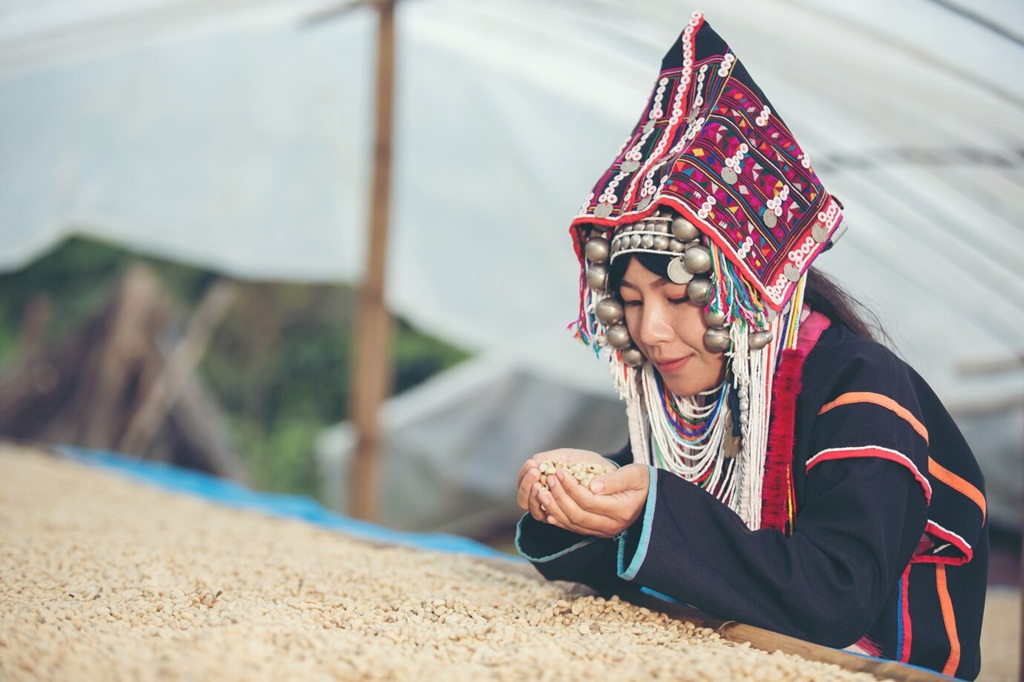
Beyond the grand festivals and monuments lies the quiet warmth of Bhutanese daily life. Hospitality is deeply ingrained; visitors are often welcomed with genuine smiles and open hearts. One of the most rewarding experiences is arranging a stay at a traditional farmhouse. This offers an unparalleled opportunity to connect with a local family, share meals, observe daily chores, and gain a deeper understanding of their values – strong family ties, community spirit, respect for elders, and a profound connection to nature.
You’ll notice the prevalence of the traditional dress, Gho and Kira, worn with pride not just on special occasions but often in daily life, especially in formal settings or when visiting religious sites. Trying your hand at archery, the national sport, or experiencing a traditional hot stone bath (“Dotsho”) can be memorable additions to your cultural immersion. Simply engaging in conversation (many Bhutanese, especially younger generations, speak English) reveals a perspective shaped by Buddhist principles and the philosophy of Gross National Happiness.
Savor the Unique Flavors of Bhutanese Cuisine
Bhutanese food is hearty, flavourful, and often surprisingly spicy! Chilies aren’t just a condiment; they are treated as a vegetable. The undisputed national dish is Ema Datshi – a fiery stew made simply from chili peppers (ema) and local cheese (datshi). Don’t be shy, but perhaps ask for a milder version initially!
Red rice, a nutty-flavoured medium-grain variety, is the staple accompanying most meals. Other common dishes include Phaksha Paa (pork cooked with spicy red chilies), Jasha Maroo (spicy chicken stew), and various vegetable stews often featuring fiddlehead ferns, mushrooms, or potatoes, frequently combined with cheese. Momos (dumplings) are also popular. Be sure to try Suja, traditional butter tea (an acquired taste for some!), and Ara, a locally brewed spirit made from rice, maize, millet, or wheat. Dining in local eateries or sharing a home-cooked meal during a farm stay provides the most authentic culinary experience. Remember to drink bottled water; tap water isn’t generally considered safe for consumption.
Understanding Gross National Happiness (GNH)
You cannot fully appreciate Bhutanese culture without understanding Gross National Happiness (GNH). Coined in the 1970s by the Fourth King, Jigme Singye Wangchuck, GNH proposes that true development occurs when material and spiritual progress complement each other. It suggests that holistic wellbeing is paramount, guiding the nation’s policies based on four pillars: sustainable and equitable socio-economic development, environmental conservation, preservation and promotion of culture, and good governance.
GNH isn’t just an abstract concept; it influences education, healthcare, environmental regulations, and cultural preservation efforts. It fosters a unique approach to tourism, emphasizing high value and low impact, aiming to protect both the environment and the cultural landscape – reflected in the daily Sustainable Development Fee (SDF) paid by tourists, which funds these national priorities.
Related: Beyond the Crowds: Discovering Switzerland’s Hidden Alpine Hiking Gems
People Also Ask (FAQs)
-
What is the best time to visit Bhutan for cultural experiences?
Spring (March-May) and Autumn (September-November) are ideal. The weather is pleasant, skies are often clear, and many major Tshechus (festivals) take place during these seasons. Book flights and accommodation well in advance if travelling during festival times.
-
What is the dress code when visiting monasteries or Dzongs?
Modesty and respect are key. Shoulders and knees should be covered. Remove hats and shoes before entering temple buildings. While not mandatory for tourists, wearing smart, respectful clothing is appreciated. Locals will wear their traditional Gho and Kira.
-
Is Bhutan expensive to visit?
Bhutan aims for “High Value, Low Volume” tourism. As of April 2025, most international tourists pay a Sustainable Development Fee (SDF) of US$100 per person per night (valid until August 31, 2027). Children aged 6-12 pay US$50, and those under 6 are exempt. Indian nationals pay a lower SDF (INR 1,200 per adult per night). On top of the SDF, you need to budget for flights, accommodation, meals, guides (mandatory beyond Paro/Thimphu), and activities. While independent travel is possible, using a tour operator often simplifies logistics.
-
Do I need a visa for Bhutan?
Yes, most foreign nationals (except citizens of India, Bangladesh, and the Maldives) require a visa, which costs US$40 (one-time fee). Visas are typically processed by registered Bhutanese tour operators or can be applied for online via the Department of Immigration website once travel plans (flights, SDF payment) are confirmed. Your passport must be valid for at least six months beyond your stay.
-
What is Ema Datshi?
It’s Bhutan’s national dish, a simple yet fiery stew made primarily from chili peppers and local Bhutanese cheese. It’s a must-try, but be prepared for the heat!
Conclusion: A Kingdom That Captivates the Soul
Bhutan offers more than just stunning scenery; it provides a profound cultural journey into a way of life guided by wisdom, compassion, and a deep respect for tradition and nature. From the vibrant energy of a Tshechu festival to the quiet reverence within an ancient monastery, from the intricate beauty of Zorig Chusum arts to the simple warmth of village hospitality, Bhutanese culture is a living, breathing entity. It’s a place where Gross National Happiness isn’t just a slogan but a tangible reality reflected in the smiles of its people and the preservation of its unique heritage. A visit to the Land of the Thunder Dragon is an invitation to slow down, observe, connect, and leave with a deeper appreciation for a different measure of progress – one that truly values wellbeing.