
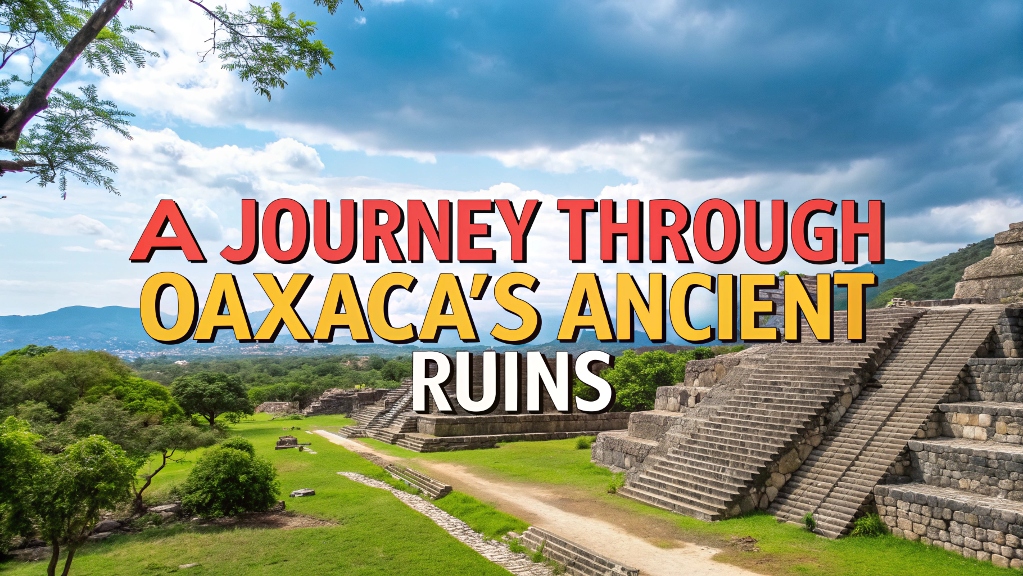
Oaxaca, a land steeped in history and vibrant culture, is a treasure trove for archaeology enthusiasts and curious travelers alike. Nestled in the southwestern heartland of Mexico, this diverse state is home to some of the most awe-inspiring ancient ruins in Mesoamerica. From the sophisticated urban planning of Monte Albán to the intricate geometric mosaics of Mitla, Oaxaca’s archaeological sites offer a profound glimpse into the lives, beliefs, and artistic achievements of the Zapotec and Mixtec civilizations.
More than just crumbling stones, these ancient cities are living testaments to the ingenuity and spiritual depth of their creators. They whisper tales of powerful rulers, astronomical observations, elaborate rituals, and a deep connection to the cosmos. Exploring them is not merely a historical endeavor; it’s an immersive experience that transports you back in time, allowing you to walk in the footsteps of ancient priests, warriors, and artisans.
This article will embark on a comprehensive journey through Oaxaca’s most significant archaeological sites, providing insights into their historical context, architectural marvels, and what makes each one a unique and indispensable stop on your Oaxacan adventure. We’ll delve into the captivating stories etched into their stones, offering practical tips for visiting, and highlighting why these ancient ruins are truly “helpful content” for anyone seeking a deeper understanding of Mexico’s rich pre-Hispanic heritage.
Monte Albán: The Grandeur of the Sacred Mountain
Undoubtedly the crown jewel of Oaxaca’s archaeological landscape, Monte Albán is a UNESCO World Heritage site and a must-visit for anyone exploring the region. Perched majestically atop a flattened mountain overlooking the Oaxaca Valley, this ancient Zapotec capital flourished for over 1,500 years, from approximately 500 BCE to 800 CE.
Its strategic location afforded its inhabitants panoramic views, allowing them to control trade routes and exert significant influence over the surrounding valleys. The sheer scale and sophisticated urban planning of Monte Albán are truly breathtaking.
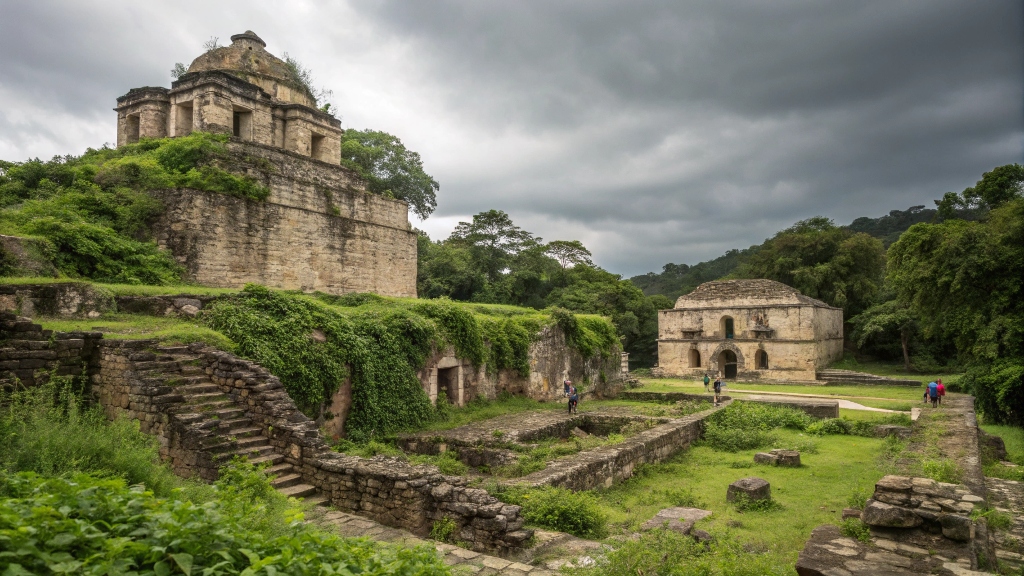
Key structures to explore at Monte Albán include:
- The Danzantes Gallery: This intriguing gallery features more than 300 carved stone slabs depicting nude figures in contorted postures, often interpreted as sacrificed captives or dancers. Their enigmatic expressions and anatomical details offer a unique artistic and historical record.
- The Observatory (Building J): A remarkably sophisticated arrow-shaped structure aligned with astronomical events, demonstrating the Zapotecs’ advanced understanding of the cosmos and their ability to track celestial movements for agricultural and ceremonial purposes.
- The Ballcourt: A testament to the ancient Mesoamerican ballgame, a ritualistic sport with profound religious and social significance, often associated with human sacrifice and the cosmic struggle between opposing forces.
- The Tombs: Monte Albán is renowned for its elaborate shaft tombs, many of which contain rich offerings and exquisite frescoes, providing invaluable insights into Zapotec burial practices and their belief in the afterlife. Tomb 7, discovered in 1932, yielded an extraordinary treasure trove of gold, jade, and shell artifacts, now housed in the Regional Museum of Oaxaca.
Exploring Monte Albán requires a few hours to fully appreciate its grandeur. Comfortable shoes are essential, as there’s a fair amount of walking involved. The on-site museum provides excellent context and houses many of the artifacts unearthed at the site.
Mitla: The City of the Dead and Intricate Mosaics
Located about 44 kilometers southeast of Oaxaca City, Mitla presents a striking contrast to the monumental scale of Monte Albán.
What sets Mitla apart are its extraordinary and unique architectural decorations. Instead of carved figures or reliefs, the buildings here are adorned with intricate fretwork mosaics formed by thousands of precisely cut and fitted stones. These geometric patterns, known as “grecas,” create mesmerizing designs that are unlike anything else found in Mesoamerica. Each pattern is unique and believed to hold symbolic meaning, representing the cosmos, natural elements, or abstract concepts.
Key features of Mitla include:
- The Group of the Columns: This complex is the most famous part of Mitla, featuring a large courtyard surrounded by palaces adorned with the signature grecas. The Hall of Columns, with its six monolithic columns, is particularly impressive.
- The Church: Built by the Spanish colonizers, the Church of San Pablo stands directly atop parts of the ancient site, a common practice used to assert Christian dominance over indigenous beliefs. Visitors can still see remnants of the pre-Hispanic structures within and around the church.
- Underground Tombs: Mitla is known for its cruciform and labyrinthine underground tombs, which were used for the burial of high-ranking priests and rulers. These tombs are often adorned with murals and offerings, although public access may be restricted to preserve them.
Mitla offers a more intimate and detailed archaeological experience. The precision and artistry of the stone mosaics are truly remarkable and speak volumes about the skilled craftsmanship of the ancient inhabitants.
Yagul: Fortress, Tombs, and Cave Paintings
Approximately 30 kilometers east of Oaxaca City lies Yagul, another captivating archaeological site that offers a blend of architectural marvels and impressive natural landscapes. Yagul, meaning “Old Tree” or “Pole” in Zapotec, was a prominent Zapotec city that flourished after the decline of Monte Albán. It later saw Mixtec occupation.
Yagul is particularly known for:
- Its Fortifications: Unlike Monte Albán, which relied on its elevated position for defense, Yagul features visible defensive walls, indicating a period of increased conflict and a need for protection.
- A Unique Palace Complex: The site boasts an impressive palace complex with various rooms, courtyards, and a ballcourt. The intricate layout provides insight into the daily lives and social structures of its inhabitants.
- Elaborate Tombs: Yagul is home to numerous pre-Hispanic tombs, some of which are notable for their well-preserved facades and the presence of “greca” designs similar to those found in Mitla, suggesting cultural exchange or shared artistic traditions.
- Cave of the Prehistoric Paintings: While not directly within the main archaeological zone, the nearby Guilá Naquitz cave is part of the Yagul archaeological landscape and is famous for its prehistoric cave paintings and evidence of early agriculture (domestication of squash seeds) dating back thousands of years. The views from the top of the site are also stunning.
Dainzú: Stone Carvings and Early Zapotec Art
Located just 20 kilometers southeast of Oaxaca City, Dainzú is a smaller but highly significant archaeological site that provides crucial insights into early Zapotec civilization. Its name translates to “Hill of the Organ Cactus,” a reference to the prominent cacti that dot the landscape.
Dainzú is most famous for its distinctive stone carvings, particularly those found in the Gallery of the Ballplayers. These early Zapotec reliefs, dating back to approximately 600-200 BCE, depict human figures engaged in what is believed to be the ritualistic Mesoamerican ballgame. Unlike the “Danzantes” of Monte Albán, these figures are generally depicted in more active poses, wearing helmets and protective gear. The artistic style at Dainzú is unique and represents an important stage in the development of Zapotec art.
Other features of Dainzú include:
- A Large Pyramid: The site has a significant pyramid structure that reveals multiple construction phases, demonstrating the continuous occupation and development of the site over centuries.
- Residential Areas: Evidence of residential structures suggests a thriving community around the ceremonial center.
Dainzú is an excellent option for those seeking a more focused archaeological experience without the crowds of larger sites. Its distinct artistic style offers a fresh perspective on early Zapotec culture.
Lambityeco: Salt Production and Figurative Art
Just a few kilometers from Mitla, on the road back to Oaxaca City, lies the often-overlooked but historically fascinating site of Lambityeco. These figures are notable for their lifelike quality and individualistic features, suggesting portraiture of specific individuals rather than generalized representations.
Key highlights of Lambityeco include:
- The Head of Cocijo: A prominent stucco figure of the Zapotec rain god Cocijo, depicted with a distinctive mask-like face and prominent fangs.
- The Heads of the Ancestors: Two remarkably well-preserved stucco heads, believed to represent important ancestors or rulers, are displayed within their original architectural context. Their detailed features offer a rare glimpse into ancient Zapotec physiognomy and artistic skill.
- Salt Production Areas: Evidence of ancient salt production is visible at the site, providing insights into the economic activities that sustained the community.
SEO and Helpful Content Considerations for Your Visit
When planning your trip to Oaxaca’s ancient ruins, consider these “helpful content” tips to make your experience enriching and memorable:
- Visit in the Dry Season: The best time to visit is during the dry season (November to May) when the weather is pleasant and rain is minimal.
- Arrive Early: To avoid crowds and the midday heat, aim to arrive at the sites shortly after they open.
- Hire a Licensed Guide: While guidebooks are helpful, a local, licensed guide can offer invaluable insights into the history, culture, and symbolism of the sites, bringing the ruins to life with their expertise and storytelling.
- Wear Comfortable Shoes and Sun Protection: You’ll be doing a lot of walking, often on uneven terrain. A hat, sunscreen, and sunglasses are essential.
- Bring Water and Snacks: While some sites have vendors, it’s always wise to carry your own hydration and light snacks.
- Respect the Sites: Remember that these are sacred historical places. Do not climb on structures where prohibited, do not touch fragile carvings, and dispose of your trash properly.
- Combine Sites: Many of these sites are relatively close to each other, making it possible to combine a visit to two or even three smaller sites in one day (e.g., Mitla and Lambityeco).
- Learn a Few Spanish Phrases: While many people in tourist areas speak English, knowing some basic Spanish phrases will enhance your interactions and show respect for the local culture.
- Support Local Communities: Purchase handicrafts or food from local vendors to directly contribute to the Oaxacan economy.
Read More Also: Bhutan’s Living Culture: More Than Just Mountains and Monasteries
Conclusion: A Journey Through Time in Oaxaca
Oaxaca’s ancient ruins are more than just archaeological sites; they are windows into a profound and sophisticated past. From the monumental power of Monte Albán to the intricate artistry of Mitla, each site offers a unique narrative of Zapotec and Mixtec civilizations. By exploring these ancient cities, you not only witness remarkable architectural and artistic achievements but also gain a deeper appreciation for the rich cultural tapestry of Mexico.